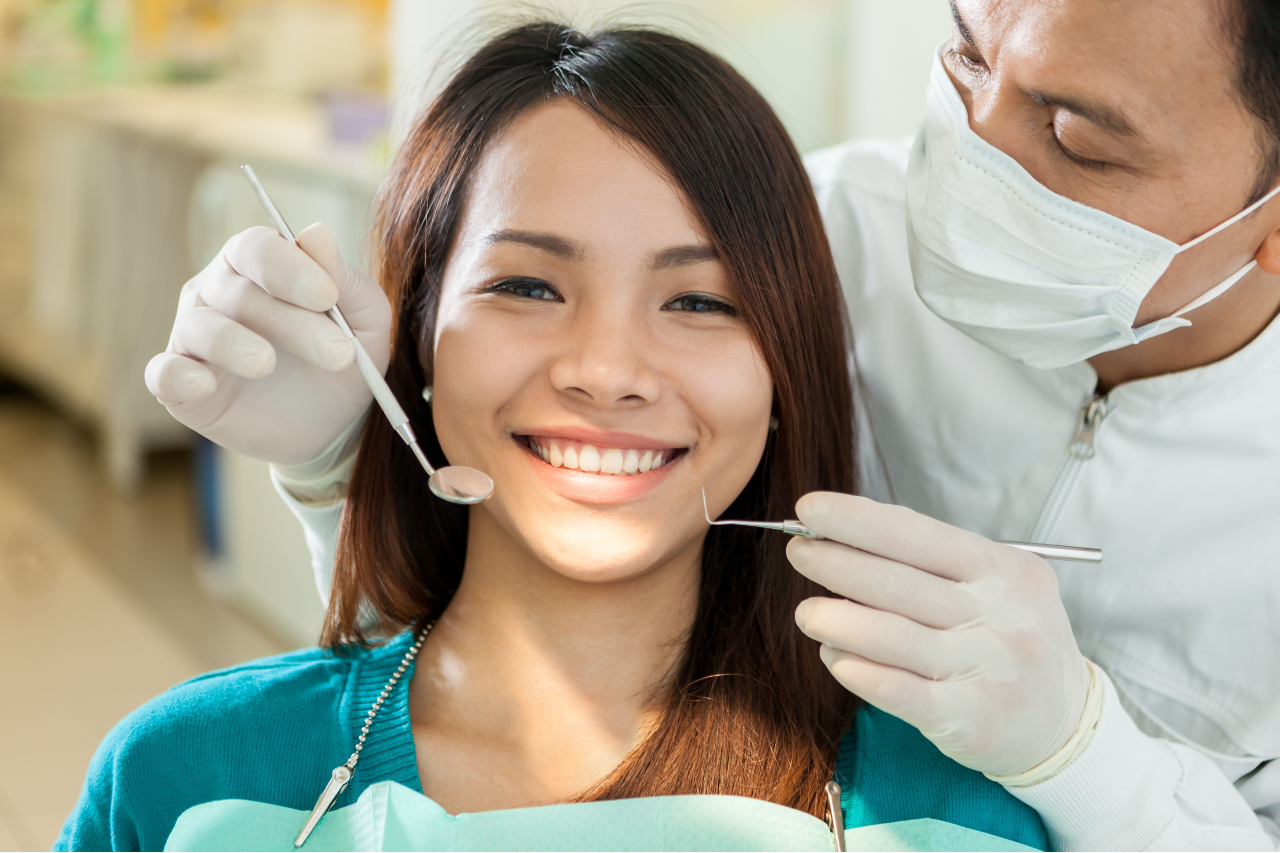
How Do I Know if I Have a Cavity?

Cavity

Taking care of your oral and overall health must be a priority. Knowing when you need to call your dentist is important. Practicing good oral hygiene habits help to prevent tooth decay, cavities, and many other issues. Cavities are one of the most common issues patients face, and about 30 percent of Americans have untreated dental cavities. Leaving a cavity untreated can destroy your teeth leading to tooth loss, infection, and other more serious conditions.

It is helpful for patients to understand what a cavity is, and also know what symptoms to look out for if you think you may have a cavity.

What is a Cavity?

A cavity is when bacteria or food build up and form plaque on your teeth. The bacteria eat away at the enamel on your teeth and cause decay. Good oral hygiene habits are so important, and brushing and flossing can help you get rid of the plaque build up to prevent cavities from developing. Once the cavity is formed there is a small hole in your tooth, and if left untreated the cavity can destroy your tooth or develop an infection.

What Are the Signs of a Cavity?

There are signs you can look out for that may indicate you have a cavity. If you experience any of these signs we encourage you to contact our office, and our staff will get you in as soon as possible. Our team always works to keep our patient’s teeth and mouth healthy and pain free.

  • Sensitivity to hot and cold that lingers and does not go away
  • Sensitivity to sweet foods or drinks
  • A toothache that is on or around one or more teeth
  • Pain when you bite down or pain during eating
  • Discoloration, white spots, or staining on a tooth
  • A small hole or mark on your tooth

Need to Contact Our Office?

Knowing these signs can help you decide if you need to contact a dentist. We always tell patients to never hesitate to contact us with any questions or concerns. We are here to help, and a cavity should never be left untreated. 

If you think you may have a cavity and need to schedule an appointment, contact our office and our friendly staff will be happy to assist you!
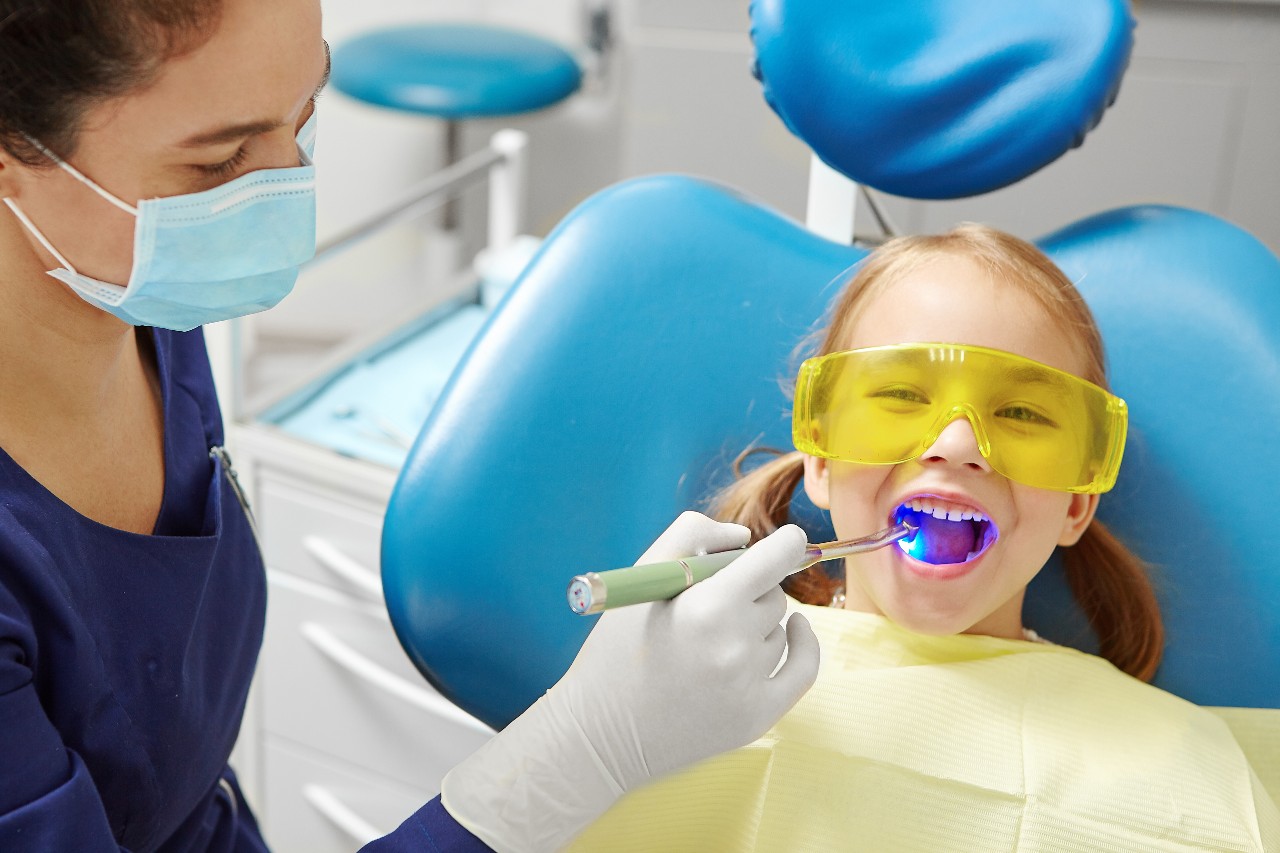
How Do I Prepare My Child For Their First Dental Visit?

Pediatric Dentistry

Planning your child’s first dental visit can be stressful. Many parents wonder when the perfect time is to bring their child in for their first exam. The American Academy of Pediatric Dentists or AAPD recommends that children visit the dentist by the age of one, or when they first notice signs of teeth erupting. Typically, primary teeth do not erupt until about six months of age.

Parents tend to worry how their child will feel or behave at the dentist for the first time. There are many benefits to visiting the dentist starting at a young age, and with positive encouragement and our amazing staff we always ensure your child’s first visit and every visit after will go well. 

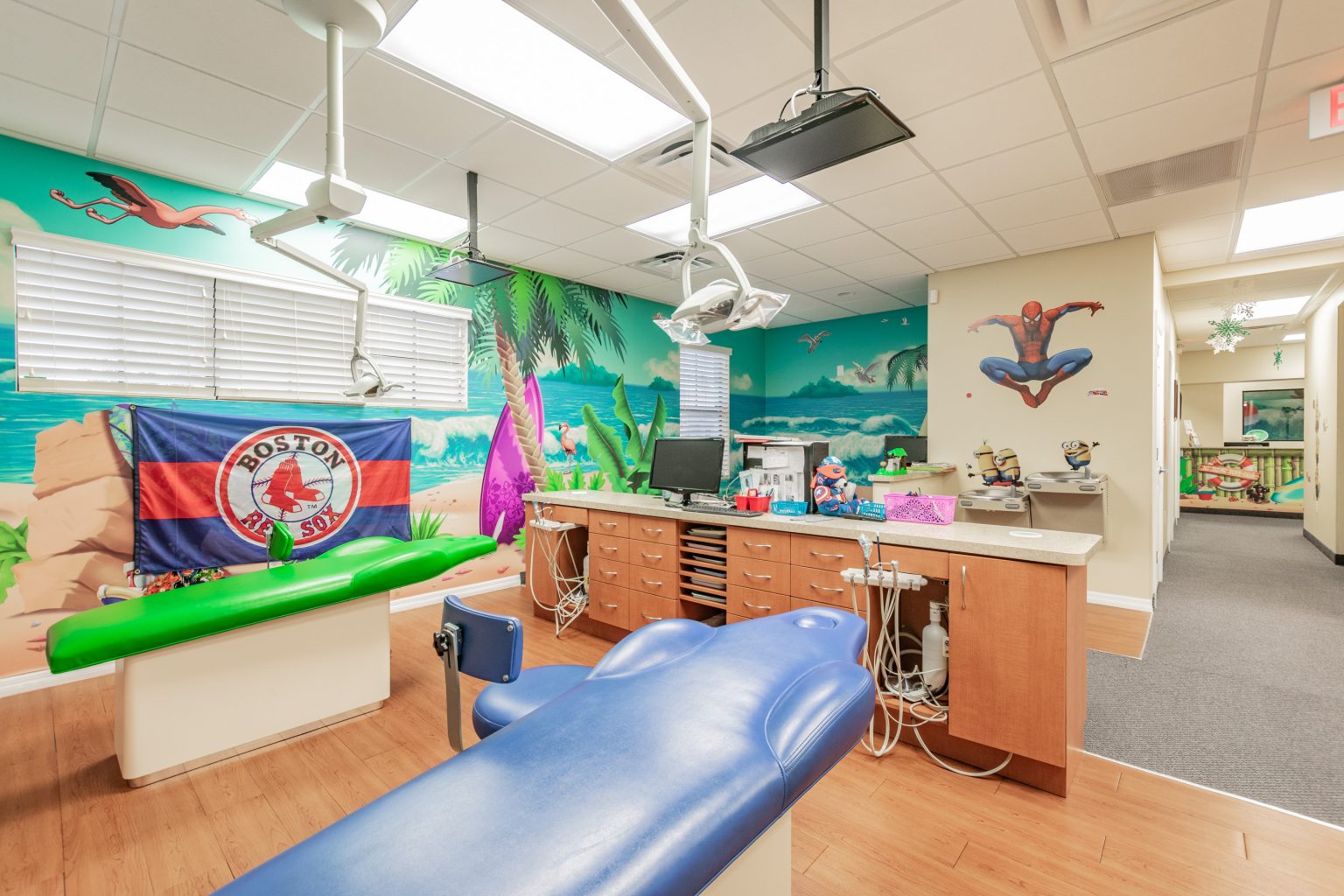
There are a few things we recommend to parents to help prepare their child to visit our office for the first time. We want all of our patients to feel calm and relaxed and enjoy their visit. Our staff is specially trained to work with children, and they are in good hands while in our care.

Helpful Ways to Prepare Your Child Before Their First Visit to Our Office

  • We welcome all new patients to schedule a tour of our office and meet our staff. This helps your child get to know where they are going, and when they arrive they will feel more comfortable because they have already been here for a visit.
  • Talk to your child about how important it is to see your dentist regularly. With positive attitude your child will feel excited and not afraid, and will enjoy visiting our office.
  • There are dental books and TV shows available that you can show your child so they can get an idea what a dental office looks like, and what we do during a dental exam and cleaning.
  • During your child’s appointment we recommend bringing in any comfort items such as a stuffed animal or blanket to make your child feel relaxed.
  • Our staff provides each child with a reward at the end of each visit so they have something to look forward to. Parents are welcome to plan for a reward as an incentive to help the child get through their first appointment.
  • It is important to talk to your child about how important dental hygiene is. Keeping our teeth and gums clean so we can have beautiful smiles can help teach them good oral hygiene habits at a young age.

Starting your child out right with proper dental care helps to set the stage for later in life and teaches children good oral hygiene. We look forward to establishing a good relationship with each of our pediatric patients, and our staff will help your child understand how important it is to take care of your teeth and visit our office regularly.

Our dental exams are thorough and we can check for any issues as your child grows older. We believe in preventative care to help keep your child’s teeth feeling and looking their best.

Are You Interested in Scheduling Your Child’s First Exam?

If you are interested in scheduling your child’s first dental exam we are here to help. Contact our office and our friendly staff can assist you!

Helping your child take charge of their oral health at a young age is important and our staff is here to support both our pediatric patients and their parents, and provide the highest level of dental care.

We look forward to meeting you and having your child join our dental family.

How Do I Help with Tooth Pain?

Feapedcavity2

If you think you may have a dental emergency it is important to know what to do to ensure your issue is addressed as soon as possible. Our office provides same day or next day appointments to accommodate our patients that need immediate treatment.

One of the most common dental emergencies that patients experience is tooth pain. There are tips you can try at home if the tooth pain does not go away while you wait for an appointment in our office. Pain is a way of our body sending a message that something is wrong. Typically, if patients experience pain this means there is a problem that must be addressed.

There are many causes for tooth pain such as tooth decay, issues with a filling, tooth fracture, or infection. If you have any of the below signs you may have an infection, and you must be seen right away.

• Fever
• Swollen or red gums
• Blood or pus around tooth
• Throbbing pain that does not go away
• Swollen or tender face or jaw

What Can I Do at Home to Relieve Tooth Pain?

There are remedies patients can use at home to help treat tooth pain while they wait to be seen in our office. These remedies can help reduce pain and keep you comfortable.

• Take an anti-inflammatory such as ibuprofen.
• Use a pain relief gel on the area.
• Apply a cold compress covered with a cloth to the area to help reduce inflammation for 20 minutes each time.
• If you have a hot compress this can also be used on the area to help relieve pain.
• Peppermint tea bags can be used on the area and are known to help ease oral pain.
• Clove oil can be used on the area and is known to help reduce inflammation or numb oral pain.

Looking to Make an Appointment to Address Tooth Pain?

If you have tooth pain that does not go away we recommend making an appointment to be seen in our office. Our staff will provide a thorough exam to help identify the cause and address your tooth pain. X-rays may be taken to get a closer look at the issue. We will recommend treatment options, and always address serious issues immediately.

Patients can prevent tooth pain by practicing good oral hygiene habits at home. Brushing and flossing each day is important as well as eating a healthy diet, and avoiding high sugar foods or drinks. We also recommend to avoid hard food items that may cause a crack or injury to your teeth. Regular dental cleanings and exams in our office can help keep your mouth and teeth feeling great.

If you have tooth pain and would like to make an appointment, please call our office and our staff will make sure you are seen as soon as possible!

How Do I Know If I Have a Cavity?

Featpedcavity

Taking care of your oral and overall health must be a priority. Knowing when you need to call your dentist is important. Practicing good oral hygiene habits help to prevent tooth decay, cavities, and many other issues. Cavities are one of the most common issues patients face, and about 30 percent of Americans have untreated dental cavities. Leaving a cavity untreated can destroy your teeth leading to tooth loss, infection, and other more serious conditions.

It is helpful for patients to understand what a cavity is, and also know what symptoms to look out for if you think you may have a cavity.

What is a Cavity?

A cavity is when bacteria or food build up and form plaque on your teeth. The bacteria eat away at the enamel on your teeth and cause decay. Good oral hygiene habits are so important, and brushing and flossing can help you get rid of the plaque build up to prevent cavities from developing. Once the cavity is formed there is a small hole in your tooth, and if left untreated the cavity can destroy your tooth or develop an infection.

What Are the Signs of a Cavity?

There are signs you can look out for that may indicate you have a cavity. If you experience any of these signs we encourage you to contact our office, and our staff will get you in as soon as possible. Our team always works to keep our patient’s teeth and mouth healthy and pain free.

• Sensitivity to hot and cold that lingers and does not go away
• Sensitivity to sweet foods or drinks
• A toothache that is on or around one or more teeth
• Pain when you bite down or pain during eating
• Discoloration, white spots, or staining on a tooth
• A small hole or mark on your tooth

Need to Contact Our Office?

Knowing these signs can help you decide if you need to contact a dentist. We always tell patients to never hesitate to contact us with any questions or concerns. We are here to help, and a cavity should never be left untreated.
If you think you may have a cavity and need to schedule an appointment, contact our office and our friendly staff will be happy to assist you!
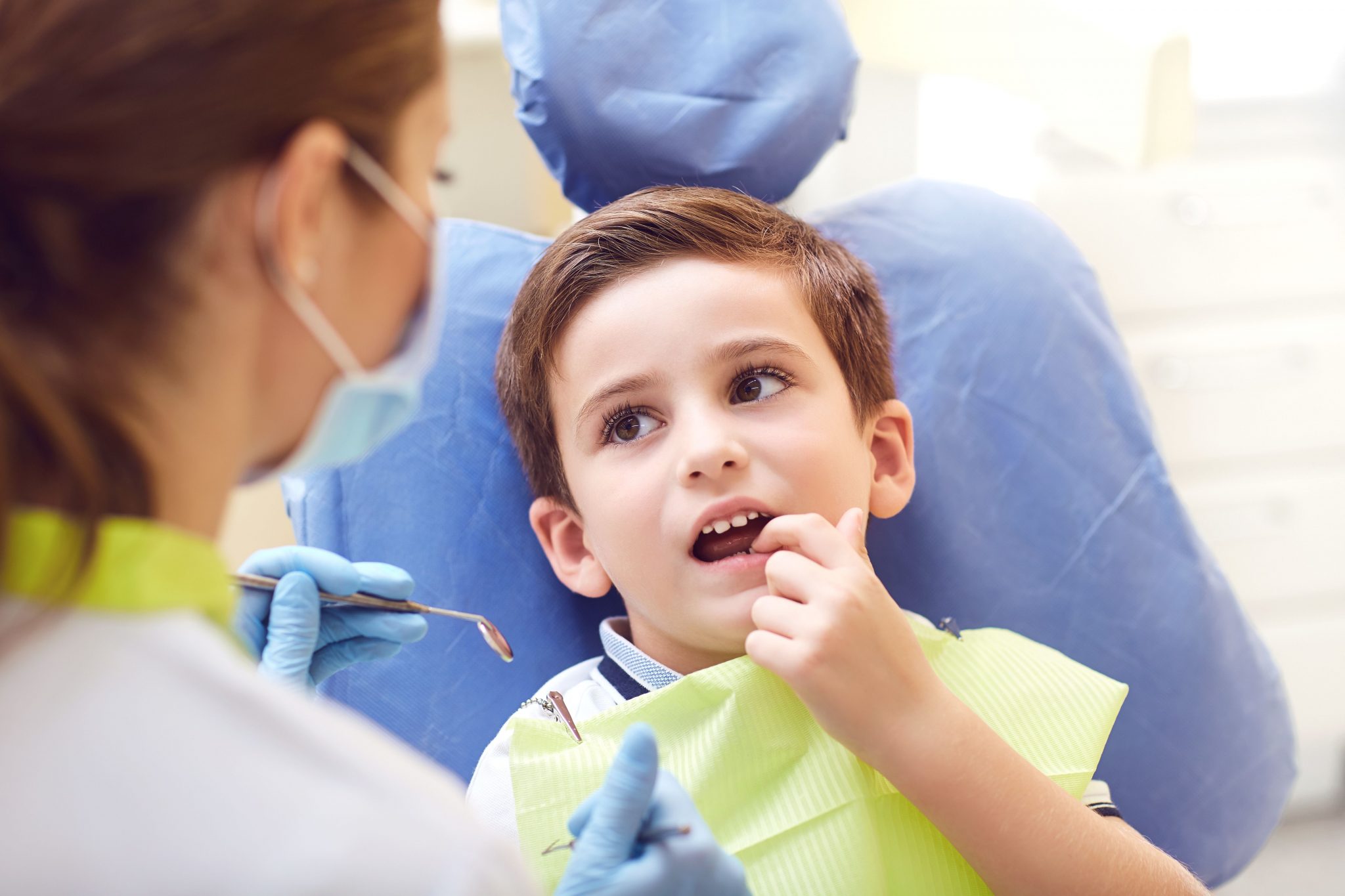
Is a Tooth Extraction and Filling Advisable for a 5 Year Old Child?

Smilingfamily

One of the most common questions parents face is how to handle cavities during their child’s dental exam. If your child has cavities there are proper ways to handle those cavities in young children. Many parents ask if teeth should be pulled, and in most cases it is better to fill a cavity rather than pull the tooth. At No Sugar Bugs Club in Trinity & Clearwater, FL our patients’ health is our first priority. Before any treatment is done we discuss all options with the child’s parents and develop a customized treatment plan. Our team works to provide the highest level of care to ensure your child’s oral development is not affected.

Why Are Baby Teeth Important?

Baby teeth or primary teeth play an important role in the development of children. A child’s first teeth begin to erupt between the ages of six months to two years of age. Baby teeth help children to chew food properly as they move from milk or formula to solid foods. This aids in good nutrition and lessens the risk for choking.

Primary teeth also help children to speak and develop language. If a child has missing teeth, this can affect their speech or cause issues. Keeping baby teeth healthy and in place is necessary to ensure a child develops their speech properly. Primary teeth also help a child’s jaw growth or bite. If a child has missing teeth this can affect the development of the jaw, and lead to other orthodontic problems in the future.

Why Should You Keep Baby Teeth?

Baby teeth are meant to be kept in the mouth until they naturally fall out. Baby teeth help to hold space for the permanent tooth and prevent any collapsing due to empty space. If the surrounding teeth collapse this can cause the permanent tooth to be affected and erupt in the wrong position. In some cases permanent teeth can become impacted where they are unable to erupt at all. In addition, if a child has had multiple teeth removed this can cause their dental arch to collapse, create severe crowding, or even affect their airway.

How Should Cavities in Children Be Treated?

Small cavities in children are common and in most cases the cavity has begun the stage of softening or weakening the hard shell or enamel. At this point the cavity can still be reversed and we do not recommend treatment. To stop the progression we recommend good brushing and flossing to help stop the decay on the teeth.

If the cavity is severe we may recommend a filling to stop the decaying process and protect the permanent tooth underneath as well as the surrounding teeth. This allows the baby tooth to remain in the mouth until the tooth naturally falls out on its own.

When Is It Safe to Pull a Baby Tooth?

There are times when pulling a tooth may be necessary. Using X-rays Dr. Chris & Dr. Jennifer’s friendly Trinity & Clearwater dental teams will examine the primary tooth and determine where the permanent tooth is positioned. If the permanent tooth is close to eruption, pulling the tooth is safe. If the permanent tooth is not ready to erupt, pulling a primary tooth is risky, and the primary tooth should be kept in place.

If the cavity is so small that there is no risk to the permanent tooth or surrounding teeth, it is best to leave the primary tooth in place and let it fall out naturally. For children that have issues with the placement of permanent teeth, a primary tooth may need to be removed to help produce a better result in the future.

Looking for a Pediatric Dentist Near You?

Our goal at No Sugar Bugs Club Children’s Dentistry is to always keep a child’s primary teeth in place, and only remove them if absolutely necessary. We want our pediatric patients to love visiting our office. Our skilled and caring staff always work to ensure each appointment is an amazing and positive experience.

If you are looking for a pediatric dentist near you or have concerns about tooth extractions or dental fillings please contact us to set up a consultation appointment for your child. Our friendly staff will be happy to assist you! We offer two convenient locations for our patients: A pediatric dental office in Trinity, FL and a pediatric dental office in Clearwater, FL.

What Are Some of the More Common Problems in Childhood?

7wnkl1xw

Pediatric dentistry is a specialty that addresses a wide variety of possible problems related to temporary dentition, milk, and permanent dentition. Possible alterations include the correct placement of the final teeth, pathologies due to change of dentition, trauma, congenital problems, etc.

What Are Some of the More Common Problems in Childhood?

Some common childhood dental problems can include the following:


1. Caries

These are the most common chronic childhood dental disease in children. The greater consumption of processed products rich in sugars or the late withdrawal of bottles or pacifiers favors the increase of caries in increasingly smaller children, even under 3 years. Therefore it is very important to educate the child in proper dental hygiene from very early ages. The treatment is usually the sealing of pits and fissures.

Dsc 0146
We foster a family friendly environment at our pediatric dental office in Clearwater and our pediatric dental office in Trinity, FL

2. Injuries

The probability that children suffer breakages or fractures in the teeth due to blows or falls is high. At this stage in which they are acquiring psychomotor skills, accidents are more frequent. The pediatric dentist will restore the piece or reimplant them, always trying to keep the original tooth.

Dsc 0089
We will work to make your child as comfortable as possible at our pediatric dental offices in Trinity & Clearwater, FL

3. Malocclusion and Bite Problems

The appearance of the definitive denture may not be performed correctly: the teeth are separated (diastema), crooked or have no space to occlude. Similarly, the jaw may have a bad position due to different problems such as late withdrawal of the pacifier (this must be removed between 18-24 months to avoid major problems). In these cases, the pediatric dentist must identify the injuries and refer the patient to the orthodontist, a specialist in treating problems of dental structures.

4. Ankylosis of the Temporary Piece

This anomaly occurs when for some reason the temporary piece does not occlude, staying inside the gum and causing a problem for the definitive piece. The solution to this problem is usually the extraction of the piece.


5. Congenital Disorders

The timely detection of congenital diseases prevents the appearance of major problems. These conditions can cause the appearance of fewer or more teeth or sizes larger or smaller than due, both in temporary dentition (anodontics) and definitive dentition (ablastodoncia).

To avoid a periodical illness it is very important to go to the pediatric dentist on a regular basis. The dentist will not only solve the oral problems of children but will establish guidelines for the prevention of possible complications with measures of dental hygiene and acquisition of healthy habits.

Looking for a Friendly Pediatric Dentist Near You?

If you are looking for a family friendly dentist near you, contact Dr. Christopher Chuong & Dr. Jennifer Hoang for your child’s next dental cleaning! Our goal is to provide exceptional service in a family friendly environment. Our staff is available to answer any questions you may have, and we welcome all new patients to our office.

If you are interested in scheduling your child’s dental cleaning with us, please contact No Sugar Bugs Club Children’s Dentistry at our pediatric dental office in Trinity, FL or at our pediatric dental office in Clearwater, FL and one of our staff members will be happy to assist you.

What Are The Benefits of Pediatric Care?

Kf3kpisq

There is no denying that dental health is important in all life stages. But what most people don’t realize is that oral care needs to start from an early age. After the first six months of a child’s birth, teeth start developing which makes it easier for the dentist to make necessary corrections before it gets a bit tricky.

Dental needs of children are very different from adults. Not only a pediatric dentist has the right qualification and training to treat children, but they also have additional years of training which allows them to meet the specific needs of those children.

Helping children addressing their oral hygiene issues is not only a smart health-related decision, but it can also save money for the parents as well.

What Are the Benefits of Pediatric Care?

Here are four key benefits of your child visiting a pediatric dentist:

1. Catch Problems Early

As mentioned earlier, pediatric care is essential because it allows catching problems at an early stage. You cannot let your child suffer through pain all those years and then get an oral surgery when it is absolutely necessary.

According to the recommendation of the American Academy of Pediatric Dentistry (AAPD), children should see a dentist when their teeth start developing.

Dsc 0104
We foster a family friendly environment at our pediatric dental office in Clearwater and our pediatric dental office in Trinity, FL

2. Overcoming the Fear of Visiting a Dentist

Most people, as they grow old, develop a fear of visiting a dentist, not because of bad experiences but based on public opinion. This is due to the fact that most people don’t visit a dentist at a young age.

Pediatric dentists have specific training that allows them to cater to the well-being of a child through understanding their psychology which eventually helps in overcoming the fear of going to a dentist at later life stages.

Dsc 0297
The front of one of our two pediatric dental offices in Florida

3. Prevention-Based Approach

Pediatric dentists consider themselves as teacher other than being a dentist. They seek to educate the parents and their children into developing better eating habits. Children learn faster at an early age which makes teaching good habits easier.


4. Less Invasive Treatment

Even if you have the best oral habits, issues can still take place. Children have baby teeth, and therefore the treatment procedures are relatively less invasive. For example: treating cavities can be done without drilling and can easily take place by applying “Silver Diamine Fluoride” (SDF) on the decayed tooth.

Make sure you have a pediatric dentist near your residence so that nothing ever comes between your children and their smile.

Looking for a Friendly Pediatric Dentist Near You?

If you are looking for a family-friendly pediatric dentist near you, contact Dr. Christopher Chuong & Dr. Jennifer Hoang  for your child’s next dental cleaning! Our goal is to provide exceptional service in a family friendly environment. Our staff is available to answer any questions you may have, and we welcome all new patients to our office.

If you are interested in scheduling your next dental cleaning with us, please contact No Sugar Bugs Club Children’s Dentistry at our pediatric dental office in Trinity, FL or at our pediatric dental office in Clearwater, FL and one of our friendly staff members will be happy to assist you!
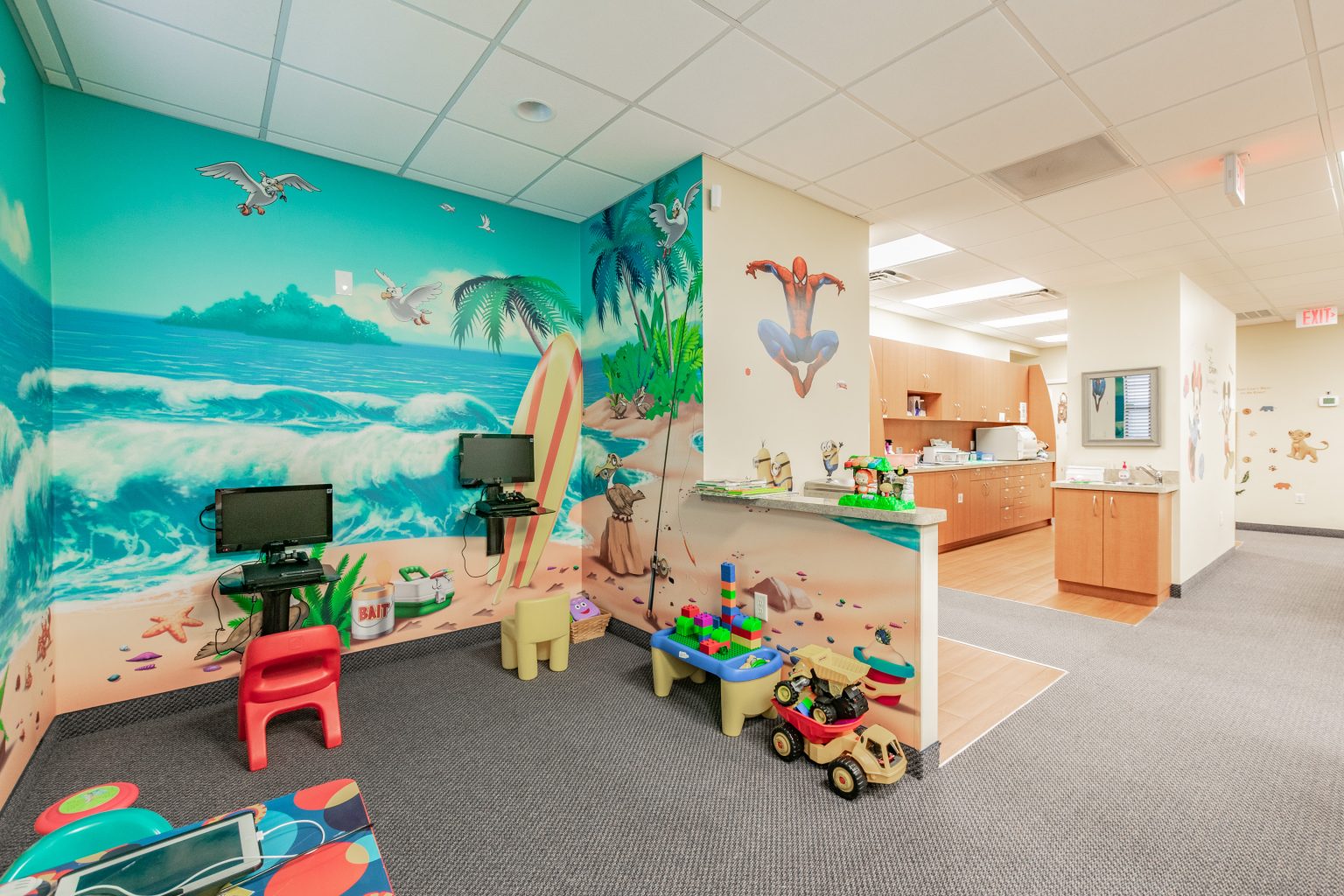
When Should a Person Switch Dentists?

Sedation Is A Great Way To Improve

Switching dentists can be a hard decision, but patients need to make a change if they notice things aren’t working out with the current practice. Knowing when to make the move can be hard, but there are some tips you can follow to help you find your new dental office or dental clinic in the Trinity & Clearwater, FL areas.

There are signs you can look out for that indicate it may be time to start your search to find your next dental practice. At No Sugar Bugs Club Children’s Dentistry, we welcome new patients to our practice, and strive to provide exceptional service to patients of all ages. We know how important finding the right dentist is, and we go above and beyond to provide the highest level of service and care for our patients!

What Are Some Signs That Indicate it May Be Time to Switch Dental Practices?

  • Your dentist has retired or moved
  • You have decided to move away from the area
  • Appointments tend to be at inconvenient times
  • Getting to your dentist is difficult, and the practice may be in an inconvenient location
  • The practice does not offer the dental procedures you need
  • Your friends or family have recommended another practice that sounds like it may be a better fit
  • You have had to call the billing department and dispute charges multiple times
  • Your dental insurance has changed
  • You do not feel comfortable with the recommended treatment plan at your current dentist
Dsc 0146

How Should I Go About Switching Dentists?

Once you have made the decision to switch dentists you can focus on finding your new practice. Making sure the new dentist is a good fit is important, and there are many things to consider. Think about what type of dental practice you would like for you and your family. Would a family practice work better and if so, make sure the new practice can provide all of the necessary services for your entire family. Research if the practice offers orthodontics if you have teenagers, should you need that type of treatment. This will help to eliminate the need for switching dentists again in the future.

Do your research and check out some online reviews to read about the dentist’s certifications or background. Read about the mission statement to understand the practice values, and how the practice is run. Make sure the facility is updated, and has the latest technology and advanced procedures available.

Once you have done your research and have found a dentist you think may be a good fit, schedule a visit to check out the practice. This way you can see firsthand if you are comfortable, and if your family would benefit from joining the practice. 


When visiting the office take mental notes of important things such as how you are treated during your visit, and how long it takes you to get to and from the practice. Ask the staff if you can have a tour of the office to ensure the practice meets your expectations.

Looking for a Quality Dentist Near You?

If you are looking for a family friendly pediatric dentist near you, contact Dr. Chris & Dr. Jennifer today for your next dental cleaning. Our goal is to provide exceptional service in a family friendly environment. Our staff is available to answer any questions you may have, and we welcome all new patients to our office.

If you are interested in scheduling your next dental cleaning with us, please contact No Sugar Bugs Club Children’s Dentistry, and one of our staff members will be happy to assist you at our dental office in Trinity, Fl or at our dental office in Clearwater, FL!

Can Dental Cleanings Damage Enamel?

Pcleaning2

Dental cleanings are integral part of our oral health, and are typically recommended twice a year. Keeping our teeth and gums free and clear of harmful bacteria is important. At No Sugar Bugs Club Children’s Dentistry our team is proud to offer general dental treatments like dental cleanings in Trinity, FL. We strive to provide quality services for our patients, and always make sure our patients are relaxed and comfortable during their visit.

However, some patients have asked us if having their teeth cleaned regularly can damage the enamel on our teeth. We hope that this article can help address this common concern.

Can Dental Cleanings Damage Enamel?

Dental cleanings do not damage the enamel on your teeth! Cleanings safely remove the plaque and bacteria that builds up over time on the teeth and under the gums. If teeth are not cleaned regularly inflammation can occur, and this can lead to gum disease. Brushing at home is a great way to remove bacteria from the teeth, but brushing cannot clean our teeth like a professional cleaning. Our certified hygienists provide quality cleanings to keep your teeth and mouth healthy.

If teeth are cleaned improperly at home or by a non-professional, damage can occur to the enamel. Enamel is extremely durable, and it is hard to chip or damage during cleaning exams. Enamel can wear off if patients suffer from bruxism, or use harsh brushing strokes while brushing their teeth at home. Acidic foods or drinks can also cause erosion to enamel on our teeth.

If you have concerns about the condition of the enamel on your teeth, please let our team know when you schedule your appointment.
Iaurvdfw.jpeg

What Should I Expect During my Cleaning Appointment?

Dental cleanings in our office typically take anywhere from 30-45 minutes. X-rays are taken if needed, and carefully reviewed during your exam to help our team to provide a customized treatment plan for each patient. Our skilled hygienists use special tools to carefully remove the hard layer of plaque from a patient’s teeth, and we ensure your mouth is free of any plaque or bacteria. Our staff will discuss the health of your teeth and gums, and will recommend further treatment if needed.

Your oral health is extremely important to us, and we encourage our patients to keep up with regularly scheduled dental cleanings to keep their teeth looking and feeling great. Regular dental cleanings are a great way to prevent future issues. Dental exams give us the opportunity to catch any potential issues early, and prevent serious issues from developing.

Mg 8677

Looking for a quality Dentist in Trinity for your next Dental Exam?

If you are looking for a family friendly dentist in Trinity, FL, contact Dr. Chris Chuong for your next dental cleaning. Our goal is to provide exceptional service in a family friendly environment. Our staff is available to answer any questions you may have, and we welcome all new patients to our office.

If you are interested in scheduling your next dental cleaning with us, please contact No Sugar Bugs Club Childrens Dentistry, and one of our staff members will be happy to assist you.

Can Pediatric Dentistry Help with Thumbsucking?

Feature Image 4 Pediatric

Pediatric dentistry focuses on dealing with the oral health of children from birth through adolescence. Pediatric dentists are skilled at interacting with patients of all ages, and children specifically making it comfortable and easy for both the parents and kids. At No Sugar Bugs Club Childrens Dentistry we always ensure our patients feel relaxed and welcome and strive to provide the very best care.

Can Pediatric Dentistry Help With Thumb Sucking?

Pediatric dentists provide general care including fixing cavities, managing gum disease, and diagnosing medical conditions such as asthma or diabetes. Visiting our office regularly helps set the tone for good oral hygiene, and helps to create good oral hygiene habits in the future.

Many children tend to suck their thumb for comfort or out of habit when they are young. This habit tends to correct itself between the ages of 2 and 4 years old with positive reinforcement. However, there are some cases where the habit continues beyond this age and problems can occur. Thumb sucking can cause the upper teeth to overlap the lower teeth, or interfere with tooth eruption and jaw growth.

If teeth are cleaned improperly at home or by a non-professional, damage can occur to the enamel. Enamel is extremely durable, and it is hard to chip or damage during cleaning exams. Enamel can wear off if patients suffer from bruxism, or use harsh brushing strokes while brushing their teeth at home. Acidic foods or drinks can also cause erosion to enamel on our teeth.

If you have concerns about the condition of the enamel on your teeth, please let our team know when you schedule your appointment.
Iaurvdfw.jpeg

When should you call our pediatric dental office in Clearwater, FL?

If you notice your child has this problem we are here to help. Regular visits to our office starting at age 1 can allow our team to help teach you and your child effective oral hygiene techniques to prevent tooth decay. We also monitor dental growth, and can assist in giving suggestions to stop thumb sucking. This can avoid expensive treatments or orthodontic visits. During the appointment we typically ask about thumb sucking, and if the child does suck their thumb we can help talk to them about giving up that habit. If needed, an oral appliance can be made called an intraoral tongue crib. This appliance comfortably fits in the child’s mouth, and physically prevents thumb sucking. Typically, this device can help break their habit in a couple months.
Mg 8677

Contact No Sugar Bugs Club Children's Dentistry in Clearwater, FL

Our team is here to help with all your family’s dental needs, and we enjoy watching our patients grow from children into adults. Our priority is to provide superior care to patients of all ages and ensure each patient is relaxed and comfortable during their appointment. If you are looking for a friendly and gentle dentist for your child’s next appointment we are here to help.

If you are interested in finding out more about pediatric dental care in Clearwater, FL contact No Sugar Bugs Club Children’s Dentistry to schedule your pediatric appointment with Dr. Chris Chuong.