What Should Parents Do If a Baby Tooth Gets Knocked Out? A Pediatric Dentist Explains

dentistry

When a child falls on the playground or during sports, dental injuries can happen quickly. For many parents, seeing a baby tooth knocked out can be frightening and confusing. Questions such as “Is this serious?” or “Do I need to call the dentist right away?” often come to mind.

A pediatric dental emergency can feel overwhelming, especially when you want to protect your child’s comfort and long-term oral health. The good news is that taking the right steps immediately can help prevent complications and keep your child calm during the situation.

At No Sugar Bugs Club Children’s Dentistry, families in Trinity receive gentle and supportive care when unexpected dental injuries occur. In this guide, we explain what parents should do if a child knocked out tooth, how dentists evaluate the situation, and when professional care is necessary.

Guidance From Dr. Christopher E. Chuong – Pediatric Dentist in Trinity

Christopher E. Chuong, DMD

Parents often feel more confident during a pediatric dental emergency when they know their child is in experienced hands. At No Sugar Bugs Club Children’s Dentistry, Dr. Christopher E. Chuong focuses on providing compassionate care designed specifically for children.

Dr. “Chris” is a native of St. Petersburg, Florida. He earned his Bachelor of Science degree Summa Cum Laude from Emory University, graduating Phi Beta Kappa (top 10%). He later completed his Doctor of Dental Medicine degree with High Honors at the University of Florida College of Dentistry.

Because of his passion for working with children, Dr. Chris continued his education at University of Florida/Shands Hospital, where he completed his residency and certification in pediatric dentistry. He also achieved board certification and became a Diplomate of the American Board of Pediatric Dentistry.

Dr. Chris believes every child deserves compassionate, patient-focused dental care. His goal is to treat each child with the same attention and kindness he would give his own family.

If your child experiences a dental injury or you suspect a pediatric dental emergency, schedule an appointment with Dr. Chris at No Sugar Bugs Club Children’s Dentistry to receive prompt and gentle care.

Trusted Pediatric Dental Care for Families in Trinity

Children are naturally active. Whether they are riding bikes, playing sports, or exploring playgrounds around Trinity, small accidents may lead to tooth injury in children.

At No Sugar Bugs Club Children’s Dentistry, our team understands how stressful these situations can feel for parents. That is why we provide supportive guidance, quick evaluations, and treatment options tailored to children.

If your child experiences a dental emergency for kids, our clinic helps families understand what steps to take and how to keep their child comfortable during recovery.

Is a Knocked-Out Baby Tooth a Pediatric Dental Emergency?

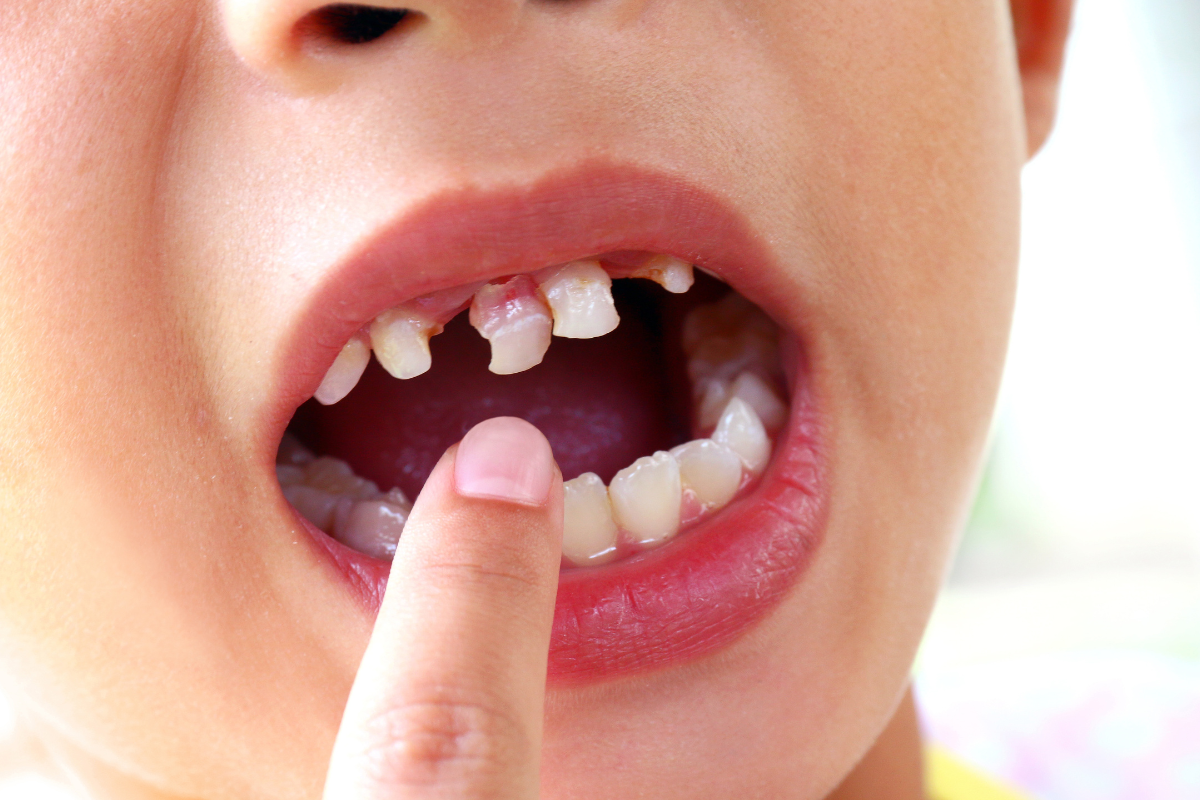
Yes, a baby tooth knocked out may qualify as a pediatric dental emergency, especially if there is bleeding, pain, or injury to surrounding tissues.

Unlike adult teeth, dentists typically do not reinsert baby teeth because doing so may damage the developing permanent tooth underneath. However, the situation still requires evaluation to ensure the gums and surrounding teeth remain healthy.

What Parents Should Do Immediately

When a child knocked out tooth, staying calm and taking quick action helps your child feel safe.

Follow these steps:

1. Stay Calm and Comfort Your Child

Your child may feel scared or upset. Speak calmly and reassure them that you will take care of the situation.

2. Check the Mouth Carefully

Look for:

  • Bleeding from the gums
  • Cuts inside the mouth
  • Pieces of the tooth

If bleeding occurs, apply gentle pressure with clean gauze.

3. Locate the Tooth

If possible, find the tooth that was knocked out. Although baby teeth are rarely reinserted, your dentist may want to examine it to assess the injury.

4. Rinse the Mouth Gently

Have your child rinse with clean water to remove dirt or debris.

5. Contact a Pediatric Dentist

A professional evaluation ensures there is no damage to surrounding teeth or bone. Dentists can also determine whether further knocked out baby tooth treatment is necessary.

Signs Your Child Needs Immediate Dental Care

Some situations require urgent care from a pediatric dentist emergency provider.

Seek prompt dental attention if your child has:

  • Continuous bleeding
  • Severe pain or swelling
  • Difficulty closing the mouth
  • Loose or displaced neighboring teeth

These symptoms may indicate pediatric dental trauma that requires professional evaluation.

Treatment Options for a Knocked-Out Baby Tooth

When treating a baby tooth knocked out, the dentist will first examine the surrounding area.

Treatment may include:

  • Cleaning and disinfecting the injured area
  • Monitoring the development of the permanent tooth
  • Addressing gum or soft tissue injuries
  • Recommending follow-up visits to ensure proper healing

In most cases, children adapt well after losing a baby tooth, even if it occurs earlier than expected.

A Real Parent Experience

Many parents visit our clinic feeling anxious about their child’s dental care. However, supportive guidance and a child-friendly environment often make a big difference.

One parent shared their experience after visiting our office:

“Amazing experience! My 6 year old has ADHD and was very nervous when we arrived. The dental office was so kind and patient. My son left feeling a sense of pride because he was rewarded with a new toothbrush and sticker and I felt a sigh of relief knowing we have found the best pediatric dentist for him!” – Kathrine N.

Stories like this reflect how a caring dental team can help children feel confident and comfortable during dental visits.

Preventing Dental Injuries in Children

While accidents cannot always be avoided, parents can reduce the risk of tooth injury in children by encouraging safe habits.

Helpful tips include:

  • Using mouthguards during sports
  • Supervising playground activities
  • Teaching children to avoid chewing hard objects
  • Scheduling regular dental checkups

Preventive care helps children maintain strong and healthy smiles.

Schedule a Pediatric Dental Visit in Trinity

If your child experiences a pediatric dental emergency, early evaluation can help prevent complications and ensure proper healing.

At No Sugar Bugs Club Children’s Dentistry, our team provides gentle and supportive care for children and adolescents.

Schedule your child’s appointment today to receive trusted pediatric dental care and guidance for protecting their smile.

Frequently Asked Questions About Knocked-Out Baby Teeth

What should I do immediately if my child knocks out a baby tooth?

If your child knocks out a baby tooth, begin by staying calm and reassuring them. Check the mouth carefully for bleeding or additional injuries. Apply gentle pressure with clean gauze to control bleeding. Rinse the mouth with clean water to remove debris. Although baby teeth are rarely reinserted, it is still important to contact a pediatric dentist to ensure there are no injuries to the surrounding gums or developing permanent teeth. A professional evaluation provides peace of mind and helps prevent complications.

Can a knocked-out baby tooth be put back in place?

Unlike permanent teeth, dentists usually do not reinsert knocked-out baby teeth. Reinserting the tooth may damage the developing adult tooth located beneath the gums. Instead, dentists focus on protecting the surrounding tissue and monitoring the development of the permanent tooth. Each situation is unique, so a pediatric dental exam helps determine the best course of action for your child.

Is a knocked-out baby tooth considered a dental emergency?

Yes, in many cases it is considered a pediatric dental emergency, especially if the injury causes bleeding, swelling, or severe discomfort. Even if the tooth cannot be reinserted, a dentist should examine the area to ensure the surrounding teeth and jawbone remain healthy. Prompt evaluation also allows the dentist to check for hidden injuries that may not be immediately visible.

What happens if a baby tooth falls out too early?

If a baby tooth falls out earlier than expected due to trauma or injury, the dentist may monitor the space to ensure nearby teeth do not shift. In some cases, a small device called a space maintainer may be recommended to preserve the proper position for the developing permanent tooth. Early evaluation helps prevent crowding or alignment issues in the future.

How can I tell if my child has additional dental injuries?

After a dental accident, watch for signs such as swelling, difficulty chewing, loose teeth, or persistent pain. If your child complains about discomfort when biting or if the teeth appear misaligned, contact your pediatric dentist. These symptoms may indicate deeper injuries that require evaluation and treatment.

Will my child’s permanent tooth grow normally after a baby tooth is knocked out?

In many cases, the permanent tooth still develops normally. However, a dentist may monitor the area through periodic checkups and imaging to ensure proper development. Early dental visits help identify any potential issues and provide reassurance for parents.

How can parents prevent dental injuries in children?

Encouraging safe play habits and using protective gear during sports activities can reduce the risk of dental injuries. Mouthguards are especially helpful for children involved in contact sports. Regular dental checkups also help identify potential concerns early and keep your child’s teeth strong and healthy.

When should I call a pediatric dentist after a tooth injury?

Parents should contact a pediatric dentist as soon as possible after any dental injury. Early evaluation allows the dentist to examine the gums, surrounding teeth, and jawbone. Even if the injury appears minor, professional guidance helps ensure your child’s mouth heals properly and reduces the risk of complications later.


7 Signs Your Kid’s Toothache Is Actually a Dental Emergency

A boy in a blue shirt holds his cheek, grimacing in pain against a mustard yellow background. His expression suggests a toothache.

“Is this just a cavity… or something more serious?”

It’s a question many parents ask—especially when a child wakes up in the middle of the night with tooth pain or comes home from sports practice holding their jaw. Toothaches can range from mild sensitivity to something that needs immediate attention. Knowing the difference can help you make calm, confident decisions for your child.

Christopher E. Chuong, DMD

Working with an experienced pediatric dentist who understands how quickly children’s dental issues can progress can make all the difference. Dr. Christopher E. Chuong, DMD is a Board Certified Pediatric Dentist and Diplomate of the American Board of Pediatric Dentistry. With specialized hospital-based residency training and a philosophy centered on treating every child like his own, his approach focuses on gentle, compassionate care—especially when kids (and parents) feel anxious.

Many families share similar concerns. As one parent explained:

“Being a Mom that grew up afraid of the dentist I was hoping to find an amazing Dr. that would be gentle, kind, patient, informative and aware that kids — or parents — may be a little apprehensive. Both the Dr. and staff took their time to make sure all of that was the approach. We need a lot of work done and they even took their time to explain options and what was priority. Thank you for making sure my kids don’t grow up with the same horrible experiences I had.”R. Buis-Roth

That kind of experience is exactly what children deserve — and what parents need when navigating something as uncertain as a dental emergency. Knowing the warning signs ahead of time helps you make faster, calmer decisions when it matters most.

When a Child’s Toothache Becomes an Emergency

Not every toothache requires urgent treatment—but some symptoms should never be ignored. Below are seven warning signs that suggest your child may need immediate evaluation.

1. Severe, Persistent Pain That Doesn’t Improve

Mild sensitivity after eating something cold or sweet can happen. However, pain that is intense, constant, or keeps your child awake at night is different.

If discomfort doesn’t improve with time or over-the-counter pain relief (as directed by your pediatrician), it may indicate deep decay, nerve involvement, or infection. Dental pain rarely resolves on its own without treatment.

2. Swelling in the Face or Gums

Swelling is a red flag. Puffy gums, facial swelling, or noticeable asymmetry can signal an infection spreading beyond the tooth.

In children, infections can develop and worsen more quickly than many parents expect. Swelling should always be evaluated promptly to prevent complications.

3. Fever Along With Tooth Pain

When a toothache is accompanied by fever, fatigue, or general illness, this suggests the body is fighting an infection.

A dental infection is not just a tooth issue—it can affect overall health. Fever combined with oral swelling or pain should be treated as urgent.

4. A Knocked-Out or Loose Permanent Tooth

Sports injuries and playground accidents are common, especially with active kids in Trinity balancing school and extracurricular activities.

If a permanent tooth is knocked out:

  • Do not scrub or brush the tooth.
  • Gently rinse it if visibly dirty.
  • Place it in a container of milk.
  • Seek care immediately.

Time matters in these situations. Quick action can improve the chances of saving the tooth.

5. Bleeding That Doesn’t Stop

Some minor bleeding after losing a baby tooth is normal. However, bleeding that continues for more than 10–15 minutes despite applying gentle pressure with clean gauze requires evaluation.

Persistent bleeding after trauma should not be ignored.

6. Abscess or Pimple on the Gums

A small bump on the gum that looks like a pimple may be an abscess. Other signs include:

  • Bad taste in the mouth
  • Drainage
  • Swelling
  • Persistent tenderness

Abscesses indicate infection and require professional treatment. Left untreated, they can spread beyond the tooth.

7. Broken Tooth With Exposed Nerve or Severe Sensitivity

A chipped tooth may be cosmetic—but a deep crack or fracture that causes sharp pain or extreme sensitivity could expose the inner pulp.

If your child reacts strongly to air, temperature changes, or chewing, the tooth may need immediate attention to prevent infection and preserve structure.

Understanding Urgent Pediatric Dental Care

A true dental emergency involves severe pain, infection, trauma, or symptoms that affect your child’s overall health. Waiting in these situations can allow the problem to worsen.

If you suspect a pediatric dental emergency near Trinity, timely care is essential. Dental problems rarely resolve without intervention, and early treatment often means simpler, more comfortable solutions.

During an emergency visit, parents can expect:

  • A calm, kid-friendly greeting
  • A discussion of what happened and current symptoms
  • X-rays if needed to identify the issue
  • A personalized treatment plan
  • A focus on relieving pain and restoring comfort

The goal is not just treatment—but reassurance. Children who feel safe during urgent visits are less likely to develop long-term dental anxiety.

Why Acting Promptly Matters

Children have busy schedules filled with school, sports, and family activities. Dental pain can disrupt sleep, concentration, eating, and overall mood.

More importantly, infections can progress quickly. Early evaluation allows for:

  • Faster pain relief
  • Reduced risk of complications
  • Protection of developing permanent teeth
  • A more positive experience for your child

Prompt care also supports long-term oral health planning, helping avoid more complex treatment later.

If your child is experiencing any of these symptoms, seeking timely evaluation can prevent complications and help them feel better sooner. Families in Trinity can call the office for guidance to schedule an assessment to ensure their child receives gentle, appropriate care.

Frequently Asked Questions

How do I know if my child’s toothache is serious?

Pain that is severe, persistent, accompanied by swelling or fever, or related to trauma should be evaluated promptly. If symptoms interfere with sleep or daily activities, it’s best to call for guidance.

Should I wait overnight if my child is in pain?

If the pain is mild and there is no swelling, fever, or trauma, you may monitor briefly. However, severe pain, facial swelling, or signs of infection should not wait.

What should I do if a tooth gets knocked out?

For a permanent tooth, avoid scrubbing it. Place it in milk and seek care immediately. Quick action increases the chance of saving the tooth.

Are baby teeth emergencies treated differently?

Baby teeth are still important. Infections or trauma involving primary teeth can affect comfort, nutrition, and the development of permanent teeth. Evaluation is still essential.

When should I call for emergency dental care?

Call if your child has severe pain, swelling, fever, uncontrolled bleeding, a knocked-out permanent tooth, or signs of infection. When in doubt, it’s always appropriate to ask for professional guidance.

How Emergency Pediatric Dentists Save Your Child’s Smile After Trauma

unhealthy little boy touching cheek feeling severe toothache isolated on yellow background

When your child experiences a dental injury, every second counts. Whether it’s a knocked-out tooth from a playground fall, a chipped tooth during sports, or severe mouth pain that strikes after hours, knowing when and where to seek emergency dental care can make the difference between saving and losing a tooth. At No Sugar Bugs Club Children’s Dentistry in Trinity, Florida, we understand that pediatric dental emergencies can be frightening for both parents and children, which is why our team is prepared to provide immediate, compassionate care when your family needs it most.

Meet Dr. Christopher E. Chuong: Your Trusted Partner in Pediatric Dental Emergencies

mg 8677 1 new (1)

Dr. “Chris” brings exceptional expertise to every emergency case. As a native of St. Petersburg, Florida, Dr. Chris earned his Bachelor of Science degree Summa Cum Laude from Emory University and graduated at the top of his class with High Honors from the University of Florida College of Dentistry. He completed his specialized residency in pediatric dentistry at the prestigious University of Florida/Shands Hospital and is a Diplomate of the American Board of Pediatric Dentistry—a distinction held by only a select group of pediatric dentists nationwide.

When dental trauma strikes, experience matters. Dr. Chris treats every child with the same care and compassion he would provide his own family, combining advanced training with a gentle, patient-first approach that helps anxious children feel safe during emergency situations.

Facing a child’s dental emergency? Schedule an emergency appointment with Dr. Chris and our team in Trinity today.

Understanding Pediatric Dental Emergencies: What Parents Need to Know

A pediatric dental emergency involves any injury or condition affecting your child’s teeth, gums, or mouth that requires immediate professional attention. Unlike routine dental concerns that can wait for a scheduled appointment, these situations demand prompt care to prevent permanent damage, relieve severe pain, or address potentially serious infections.

Common Types of Kids Dental Trauma

Children’s active lifestyles naturally increase their risk of dental injuries. Here are the most common emergency situations we treat at our Trinity practice:

Knocked-Out Permanent Teeth
When a permanent tooth gets completely dislodged from its socket, immediate action is critical. The tooth can often be saved if you reach a pediatric dentist within 30-60 minutes.

Chipped or Fractured Teeth
Falls, sports accidents, and playground mishaps commonly result in broken or cracked teeth. The severity ranges from minor chips affecting only enamel to deep fractures exposing the tooth’s nerve.

Severe Toothaches
Intense, persistent tooth pain in children may signal an infection, cavity, or abscess that requires urgent pediatric dental care to prevent complications.

Soft Tissue Injuries
Cuts, tears, or puncture wounds to the lips, cheeks, tongue, or gums can bleed heavily and may need immediate treatment to control bleeding and prevent infection.

Dental Abscesses
These painful infections appear as swollen, pus-filled bumps on the gums and require same-day pediatric dental emergency treatment to stop the infection from spreading.

When to Seek Emergency Dental Care for Kids

Not every dental issue requires immediate attention, but certain symptoms warrant urgent care. Contact our Trinity office right away if your child experiences:

  • A permanent tooth that’s been knocked out completely
  • Severe, uncontrollable bleeding from the mouth
  • Significant swelling in the face, jaw, or gums
  • A tooth that’s been pushed out of position or feels loose
  • Intense pain that doesn’t respond to over-the-counter pain relievers
  • Signs of infection like fever, swelling, or pus
  • A broken or lost filling that exposes the tooth’s interior
  • Trauma to the jaw that affects your child’s ability to open or close their mouth

Immediate Steps: What to Do Before Reaching Your Pediatric Dentist

Your response in the first few minutes after a dental injury can significantly impact the outcome. Here’s what to do while arranging emergency care:

For a Knocked-Out Permanent Tooth

Act quickly and carefully. First, locate the tooth and pick it up by the crown (the white part you normally see), never touching the root. Gently rinse the tooth with clean water if it’s dirty, but don’t scrub it or remove any attached tissue fragments. If possible, try to place the tooth back into its socket and have your child gently bite down on clean gauze to hold it in position. If reinsertion isn’t possible, place the tooth in a container of milk, saline solution, or your child’s saliva to keep it moist during transport to our Trinity office.

For Chipped or Broken Teeth

Preserve the fragments and manage discomfort. Rinse your child’s mouth with warm water to clean the area, and save any tooth pieces you can find—bring them to your appointment. Apply a cold compress to the outside of the cheek to reduce swelling and numb the area. If the broken edge feels sharp, cover it with dental wax or sugarless gum to protect your child’s tongue and cheeks until you reach our pediatric dentist near Trinity.

For Severe Bleeding

Control the situation calmly. Have your child rinse their mouth with clean water, then apply gentle pressure to the bleeding area using clean gauze or a soft cloth. Maintain steady pressure for 10-15 minutes without repeatedly checking if the bleeding has stopped. If bleeding continues after 15 minutes of consistent pressure, this constitutes a true emergency requiring immediate professional care.

For Toothaches and Suspected Infections

Provide comfort while seeking professional help. Rinse your child’s mouth with warm salt water to help reduce inflammation. Give age-appropriate doses of children’s ibuprofen or acetaminophen following package directions for pain relief. Never apply aspirin directly to the gums, as this can burn the tissue. Use a cold compress on the outside of the cheek to help manage swelling and discomfort while you arrange urgent pediatric dental care.

How Emergency Pediatric Dentists Save Smiles: Advanced Treatment Options

At No Sugar Bugs Club Children’s Dentistry, Dr. Chris utilizes the latest techniques and technology to address pediatric dental emergencies with precision and care. Our approach prioritizes both immediate relief and long-term oral health.

Tooth Reimplantation and Stabilization

When a permanent tooth has been knocked out, time-sensitive reimplantation offers the best chance of saving the tooth. Dr. Chris carefully cleans and repositions the tooth in its socket, then stabilizes it using a flexible splint that holds the tooth in place while the supporting structures heal. This process typically takes several weeks, during which we monitor the tooth’s integration through follow-up appointments. Early intervention dramatically improves the success rate—teeth replanted within 30 minutes have the highest survival rates.

Restorative Treatments for Fractured Teeth

The treatment for broken teeth depends on the extent of the damage. Minor chips affecting only the enamel can often be smoothed and polished or restored with tooth-colored bonding material that blends seamlessly with your child’s natural teeth. Moderate fractures may require dental crowns to protect the remaining tooth structure and restore full function. Deep cracks that expose the pulp (nerve) necessitate root canal therapy to remove damaged tissue and prevent infection before placing a protective restoration. Throughout each procedure, Dr. Chris ensures your child remains comfortable and at ease.

Infection Management and Pain Relief

Dental abscesses and infections require prompt treatment to prevent serious complications. Our emergency children’s dentist will first address the immediate infection through drainage if necessary, followed by appropriate antibiotic therapy. For abscessed baby teeth, extraction may be recommended depending on the child’s age and the tooth’s proximity to natural shedding. Permanent teeth with infections typically undergo pulp therapy or root canal treatment to eliminate bacteria while preserving the tooth. We combine infection control with effective pain management to ensure your child experiences relief quickly.

Soft Tissue Repair

Cuts and tears to the lips, tongue, cheeks, or gums often look more alarming than they are due to the mouth’s tendency to bleed heavily. Dr. Chris thoroughly evaluates each injury to determine if sutures are needed. Minor lacerations may heal on their own with proper care instructions, while deeper wounds require careful suturing to promote proper healing and minimize scarring. We use gentle techniques and, when appropriate, child-friendly sedation options to make the experience as stress-free as possible.

After-Hours Care: Accessing a Pediatric Dentist Near Trinity

Dental emergencies don’t follow a schedule, which is why accessibility matters. No Sugar Bugs Club Children’s Dentistry provides clear guidance for families facing urgent situations outside regular office hours.

Our Emergency Protocol

During business hours, we prioritize same-day pediatric dental emergency appointments for patients experiencing trauma or severe pain. Our Trinity team works efficiently to accommodate urgent cases, often seeing children within hours of your call. For after-hours emergencies, our answering service connects you with Dr. Chris or an on-call team member who can provide immediate guidance and arrange care as quickly as possible.

What to Expect During Your Emergency Visit

When you arrive for emergency dental care for kids, our team conducts a thorough but efficient evaluation. Dr. Chris will examine the affected area, take necessary X-rays to assess underlying damage, and discuss treatment options with you before proceeding. We explain each step in age-appropriate language so your child understands what’s happening, reducing anxiety and building trust. Throughout the visit, comfort and communication remain our top priorities.

Making Emergency Care Accessible

We understand that unexpected dental injuries can create financial stress. Our Trinity practice works with most dental insurance plans and offers flexible payment options to ensure your child receives necessary care without delay. Our knowledgeable staff can help you understand your coverage and explore payment solutions that fit your family’s budget.

Prevention Strategies: Reducing Your Child’s Risk of Dental Trauma

While we’re always here when emergencies happen, preventing injuries in the first place protects your child’s smile and saves everyone stress. Dr. Chris recommends these practical safety measures:

Sports Safety Equipment

Athletic activities account for a significant percentage of dental injuries in children and teenagers. Custom-fitted mouthguards provide superior protection compared to generic, over-the-counter options. At our Trinity office, we create properly fitted sports guards that cushion impacts, distribute force, and significantly reduce the risk of knocked-out teeth, jaw fractures, and soft tissue injuries. Every child participating in contact sports, skateboarding, or high-impact activities should wear a mouthguard consistently.

Childproofing Your Home

Young children learning to walk and climb face increased fall risks. Secure furniture to walls, use safety gates on stairs, pad sharp corners on tables and counters, and supervise active play closely. Keep potentially dangerous objects out of reach, as children often put items in their mouths that can crack teeth or cause choking.

Regular Dental Checkups

Routine visits to your pediatric dentist help identify vulnerabilities before they become emergencies. Dr. Chris examines teeth for signs of weakness, decay, or structural issues that might make them more susceptible to injury. He also provides dental sealants to protect molars and offers guidance on proper oral hygiene that strengthens teeth naturally. Catching problems early means simpler, less invasive treatments and healthier smiles long-term.

Teaching Good Habits

Educate children to avoid chewing on hard objects like ice, popcorn kernels, or pen caps that can crack teeth. Discourage using teeth as tools to open packages or bite fingernails. Reinforce the importance of wearing protective gear during sports and physical activities. These simple habits become second nature when introduced early.

Why Choose No Sugar Bugs Club Children’s Dentistry for Pediatric Emergency Dentistry

When your child faces a dental emergency, you need a team that combines clinical excellence with genuine compassion. Our Trinity practice offers distinct advantages:

Specialized Pediatric Expertise
Dr. Chris’s advanced training in pediatric dentistry means he understands the unique needs of growing smiles. He knows how to adapt treatments for children’s developing teeth and uses techniques specifically designed for young patients.

Child-Friendly Environment
Our Trinity office creates a welcoming, non-threatening atmosphere that helps anxious children feel safe. From our friendly team to our thoughtfully designed treatment rooms, every detail supports positive experiences even during stressful emergency visits.

Comprehensive Emergency Services
We handle the full spectrum of urgent pediatric dental care under one roof—no need to visit multiple specialists or emergency rooms for dental trauma. This streamlined approach saves time and reduces stress for families.

Advanced Technology
Digital X-rays provide immediate diagnostic images with minimal radiation exposure. Modern sedation options ensure comfort during complex procedures. State-of-the-art equipment supports precise, efficient treatment.

Clear Communication
We believe informed parents make the best decisions for their children. Dr. Chris takes time to explain diagnoses, discuss treatment options, answer questions, and ensure you feel confident about the care plan before proceeding.

Convenient Trinity Location
When minutes matter, proximity makes a difference. Our centrally located Trinity practice provides quick access for families throughout the area seeking a pediatric dental emergency near me.

Building a Relationship with Your Emergency Pediatric Dentist

Establishing care before an emergency occurs offers significant benefits. Children who already know and trust their pediatric dentist experience less anxiety during urgent situations. Regular patients receive prioritized scheduling, and Dr. Chris already understands their medical history, dental development, and any special considerations that might affect emergency treatment.

We encourage Trinity families to schedule routine checkups every six months, even when everything seems fine. These visits build familiarity, allow for early detection of potential problems, and create a foundation of trust that makes emergency care smoother if it’s ever needed.

Take Action: Protecting Your Child’s Smile Starts Today

Dental emergencies can happen anytime, but preparation and quick access to expert care make all the difference in outcomes. Whether you’re facing an urgent situation right now or want to establish a relationship with a trusted pediatric dentist near Trinity for future peace of mind, No Sugar Bugs Club Children’s Dentistry is here for your family.

Don’t wait for an emergency to find quality care. Dr. Christopher E. Chuong and our experienced team provide the specialized pediatric emergency dentistry your child deserves, delivered with compassion and clinical excellence.

Schedule an appointment with No Sugar Bugs Club Children’s Dentistry in Trinity today. Give your child the gift of a healthy, protected smile backed by expert emergency care when it matters most.

Frequently Asked Questions About Pediatric Dental Emergencies

What should I do if my child knocks out a baby tooth?

Unlike permanent teeth, knocked-out baby teeth should not be replanted because reinsertion can damage the developing permanent tooth underneath. Instead, control any bleeding with clean gauze, rinse your child’s mouth with water, and contact our Trinity office for guidance. Dr. Chris will evaluate whether the injury affected surrounding teeth or structures and may recommend a space maintainer if the lost baby tooth was still years away from naturally falling out, ensuring proper spacing for the permanent tooth.

How quickly do I need to act if my child’s permanent tooth gets knocked out?

Time is absolutely critical for knocked-out permanent teeth—the best outcomes occur when the tooth is replanted within 30 minutes of the injury. However, successful reimplantation is still possible up to an hour after trauma if the tooth has been kept moist in milk, saline, or saliva. Never let the tooth dry out, avoid touching the root, and contact our emergency children’s dentist in Trinity immediately. Dr. Chris will provide phone guidance on proper tooth handling while you’re en route to our office for urgent treatment.

Are all toothaches considered dental emergencies?

Not every toothache requires emergency care, but certain symptoms indicate serious problems needing same-day attention. Seek urgent pediatric dental care if your child experiences severe, persistent pain that doesn’t respond to over-the-counter pain relievers, pain accompanied by fever or facial swelling, visible pus or abscess on the gums, or pain so intense it prevents eating, drinking, or sleeping. Mild, intermittent discomfort may be monitored for 24 hours, but contact our Trinity practice if symptoms worsen or persist beyond a day.

Will my child need sedation for emergency dental treatment?

Sedation decisions depend on several factors including the child’s age, anxiety level, complexity of the procedure, and ability to cooperate during treatment. Many emergency procedures can be completed comfortably with only local anesthetic to numb the area. For younger children, highly anxious patients, or extensive treatments, Dr. Chris may recommend nitrous oxide (laughing gas) or other safe sedation options to ensure your child remains calm and still throughout the procedure, making treatment more effective and less stressful for everyone involved.

Does dental insurance cover emergency pediatric dental care?

Most dental insurance plans provide coverage for emergency services, though the extent of coverage varies by policy. Emergency exams, X-rays, extractions, and many restorative treatments typically receive at least partial coverage. Our Trinity office team works with major insurance providers and will verify your benefits, file claims on your behalf, and clearly explain your out-of-pocket costs before treatment begins. We also offer payment plans for families without insurance or those facing unexpected expenses beyond their coverage limits.

How can I tell if a dental injury needs immediate emergency care or if it can wait until morning?

Seek immediate care for knocked-out permanent teeth, uncontrollable bleeding lasting more than 15 minutes, suspected jaw fractures, severe swelling that affects breathing or swallowing, injuries accompanied by loss of consciousness, or pain so intense that over-the-counter medication provides no relief. Situations that can typically wait for next-day treatment include small chips without pain, minor cuts that stop bleeding with pressure, mild toothaches responsive to pain medication, or lost fillings without significant discomfort. When in doubt, call our Trinity office—Dr. Chris or our team can assess the situation over the phone and guide you toward the appropriate level of care.

Toothache Troubles in Kids: Addressing the Pain and Preventing Further Issues

toothache troubles in kids

Toothaches in kids are never easy to deal with—for parents or little ones. They often strike without warning, causing discomfort, sleepless nights, and plenty of worry. In Clearwater, FL, where sunny days, beach outings, and sweet local treats are part of everyday life, children’s oral health can face extra challenges. From sugary snacks to playground accidents, tooth pain is something no parent wants their child to experience.

Knowing how to respond quickly—and when to seek a kids emergency dentist—can make all the difference. Here’s what Clearwater parents need to know about toothaches, dental emergencies for kids, and preventive care through trusted children’s dentistry.

Common Causes of Toothaches in Kids

Toothaches in kids can stem from various causes, but local factors in Clearwater, FL, can make some issues more prevalent. Here are the most common causes of toothaches in kids, particularly in the Clearwater area:

Tooth Decay

The warm, sunny climate in this city encourages outdoor activities. However, it also leads to an increased intake of sugary drinks and snacks, especially during beach days or park outings. Ice creams, sodas, and sugary snacks are easily accessible here. Thus, when kids don’t brush their teeth afterward, it increases the risk of cavities and tooth decay. The high sugar intake, combined with the Florida heat, makes it crucial for parents to ensure their kids maintain consistent brushing and flossing habits.

Gum Disease

Clearwater’s humid environment can cause bacteria to thrive in the mouth, increasing the likelihood of plaque buildup. If kids don’t follow a good dental routine, this plaque can lead to gum disease. This is a common cause of toothaches. It’s important to encourage regular brushing and flossing, especially during the humid months when bacteria are more likely to grow in the mouth.

Tooth Sensitivity

With the hot weather in this city on the west coast of the Florida peninsula, kids often enjoy cold treats like popsicles and ice cream to cool off. However, if they have sensitive teeth, these cold foods can trigger pain. Exposure to the sun can also cause dehydration, which can dry out the mouth and lead to discomfort in sensitive teeth.

Teething

In this area of Pinellas County, young children may face additional discomfort when they are outside enjoying the sunny weather. Heat and humidity can make teething more difficult to manage, leading to increased fussiness and irritability. Therefore, keeping your child hydrated and providing cool teething toys can help relieve some discomfort.

Injury or Trauma

Clearwater kids love outdoor sports, swimming, biking, and beach games. With active play comes the risk of falls or collisions. A chipped, cracked, or knocked-out tooth is considered a dental emergency for kids and should be evaluated as soon as possible by a professional.

How to Address Toothaches Quickly

When your child experiences a toothache, it’s important to address it as soon as possible to relieve pain and prevent further damage. Here are some steps parents can take:

Pain Relief

Over-the-counter pain relief medications can ease the pain temporarily. Make sure to follow the proper dosage instructions according to your child’s age and weight.

Cold Compress

Applying a cold compress to the outside of your child’s cheek can reduce swelling and provide some pain relief. You can wrap a cold pack in a towel or cloth and gently press it to the affected area.

Rinsing with Saltwater

Saltwater can help clean the area and reduce inflammation. Have your child swish warm saltwater in their mouth for about 30 seconds.

Avoid Sugary and Acidic Foods

Until the toothache is addressed, avoid giving your child sugary or acidic foods and drinks that can make the pain worse. Clearwater’s tropical fruits, while delicious, may irritate sensitive teeth during this time.

Dental Consultation

If the pain persists for more than a day or worsens, it’s crucial to visit a children’s dentist. A professional can identify the cause of the pain and provide the appropriate treatment. Whether it’s a cavity, gum infection, or something else, early intervention can prevent further complications.

How to Prevent Future Toothaches?

Preventing toothaches in kids requires a proactive approach to oral care. Below are some practical tips for keeping your child’s teeth healthy and pain-free:

Establish a Consistent Oral Care Routine

Make sure your child brushes their teeth at least twice a day, after breakfast and before bedtime. Use fluoride toothpaste to protect against cavities. Supervise your child’s brushing until they are around 8 years old to ensure they’re doing it properly.

Floss Regularly

Don’t skip the floss! Brushing alone can miss areas between teeth, where cavities and gum disease can start. Flossing daily will help keep these areas clean and prevent buildup.

Limit Sugary Snacks and Drinks

Living in this coastal city on Florida’s Gulf Coast means lots of opportunities for snacks like ice cream and sugary beverages. While these can be tempting, try to limit their consumption to reduce the risk of cavities. Make water your child’s go-to drink throughout the day.

Protect Teeth During Sports

If your child plays sports, especially those that involve physical contact, make sure they wear a mouthguard. Clearwater is home to many active families, and mouthguards can prevent injuries to the teeth and gums during recreational activities.

Visit the Dentist Regularly

Regular dental checkups are essential for preventing and detecting dental issues early. Your child should visit the dentist every six months to ensure their teeth are growing properly and to prevent future toothaches.

Consultation and Care at No Sugar Bugs Club

If your child is dealing with a toothache, don’t wait for the problem to get worse. Schedule a consultation with a professional dentist at No Sugar Bugs Club. Our team is dedicated to providing trusted dental care for kids, ensuring that they feel comfortable and relaxed during their visit. Our goal is to help prevent tooth pain before it even starts!

Local Factors That Can Put Kids’ Oral Health at Risk

While Clearwater offers a wonderful environment for families, certain local factors can contribute to oral health issues for kids. The warm weather encourages outdoor activities, but it can also lead to more sugary drinks and snacks, especially when kids are spending time at the beach or parks. Without proper brushing and flossing, this can contribute to tooth decay.

Additionally, Clearwater’s humid climate can lead to an increased risk of plaque buildup, especially if kids are not practicing good oral hygiene. It’s important to stay diligent with your dental care routines, particularly when the weather encourages outdoor eating and drinking.

Early Prevention is Crucial for a Lifelong Healthy Smile

Toothaches in kids can be distressing, but with proper care and attention to oral hygiene, they can be prevented. Clearwater’s climate and active lifestyle present unique challenges, but by maintaining healthy habits and staying proactive, you can ensure your child’s dental health remains strong and pain-free.

If your child is experiencing a toothache, don’t wait! Contact our proficient team at No Sugar Bugs Club to schedule a consultation and get your child the relief they need. So why wait? Book your appointment today!

Frequently Asked Questions

How do I know if my child’s toothache is serious?

If your child’s toothache lasts more than a day, is accompanied by swelling, fever, or trouble swallowing, it’s time to see a dentist. These could be signs of an infection or a more serious dental issue requiring immediate attention.

What should I do if my child knocks out a tooth?

If your child knocks out a tooth, try to find it and place it in a glass of milk or saline solution. Contact an emergency dentist immediately. They may be able to replant the tooth if you act quickly.

Can toothaches go away on their own?

While some mild toothaches may subside temporarily, it’s essential to address the underlying cause. If the pain persists or worsens, seeking dental care is crucial to prevent further complications like infections or more severe dental problems.

How frequently should my child go to the dentist for checkups?

Children should have a dental checkup every six months for routine examinations. Regular visits help identify potential issues early, ensuring your child’s teeth stay healthy and any problems, like cavities or gum disease, are treated before they worsen.

What are the indicators that my child might have a cavity?

Common signs of a cavity in kids include tooth pain, sensitivity to hot or cold foods, and visible holes or dark spots on their teeth. If you notice any of these signs, it’s best to schedule a dental appointment promptly.

Can I treat my child’s toothache at home?

Home remedies such as applying a cold compress or using over-the-counter pain relievers may offer temporary relief for a toothache. However, it’s important to visit a dentist to treat the underlying cause of the pain and avoid future complications.

What should I do if my child’s toothache happens at night?

If your child experiences a toothache at night, give them a pain reliever like acetaminophen, and apply a cold compress to reduce swelling. If the pain persists or worsens, contact your dentist the next day to schedule a visit.

Top 10 Causes of Tooth Decay in Children and How to Prevent Them

pediatric dentist near trinity

Dental problems can start earlier than many parents expect. In fact, tooth decay is one of the most common childhood health issues, and it can sometimes turn into a pediatric dental emergency near Trinity if left untreated. As a parent, understanding why cavities happen and how to prevent them can protect your child’s smile and overall well-being.

In this guide, we’ll break down the top 10 causes of tooth decay in children, explain how each one affects oral health, and share practical prevention tips you can use every day. Whether your child is a toddler or school-aged, these insights can help you stay one step ahead.

Why Tooth Decay in Children Is a Serious Concern

Baby teeth may be temporary, but they play a permanent role in your child’s development. Healthy primary teeth help children chew properly, speak clearly, and guide adult teeth into place. When decay develops, it can cause pain, infections, and even lead to urgent dental visits.

That’s why prevention and early care from a trusted pediatric dentist near Trinity makes such a difference.

Top 10 Causes of Tooth Decay in Children

1. Excessive Sugar Consumption

Sugary snacks and drinks feed harmful bacteria in the mouth. These bacteria produce acids that attack tooth enamel.

Prevention tips:

  • Limit candy, cookies, and sugary cereals
  • Offer water instead of juice or soda
  • Choose healthier snacks like fruit, cheese, or yogurt

2. Poor Brushing Habits

Children often rush brushing or miss hard-to-reach areas, allowing plaque to build up.

Prevention tips:

  • Supervise brushing until age 7–8
  • Brush twice daily with fluoride toothpaste
  • Use a soft-bristled, child-sized toothbrush

3. Skipping Flossing

Food easily gets trapped between teeth, especially molars. Without flossing, cavities can form between teeth.

Prevention tips:

  • Start flossing once teeth touch
  • Make flossing part of your nightly routine
  • Use floss picks for younger kids

4. Frequent Snacking Throughout the Day

Constant snacking gives bacteria more chances to produce acid.

Prevention tips:

  • Set regular meal and snack times
  • Avoid grazing throughout the day
  • Rinse with water after snacks

5. Bedtime Bottles or Sippy Cups

Milk, juice, or formula left on teeth overnight can cause severe decay.

Prevention tips:

  • Avoid sugary drinks at bedtime
  • Offer only water after brushing
  • Transition away from bottles early

6. Lack of Fluoride

Fluoride strengthens enamel and protects teeth from decay.

Prevention tips:

  • Use fluoride toothpaste
  • Ask about fluoride treatments
  • Drink fluoridated tap water when available

7. Poor Diet Choices

Sticky foods like gummies and dried fruit cling to teeth longer.

Prevention tips:

  • Reduce sticky snacks
  • Encourage crunchy fruits and vegetables
  • Rinse your mouth after eating

8. Genetics and Weak Enamel

Some children naturally have weaker enamel, which increases cavity risk.

Prevention tips:

  • Schedule regular dental checkups
  • Use dental sealants when recommended
  • Maintain consistent oral hygiene

9. Irregular Dental Visits

Skipping dental visits allows small problems to grow unnoticed.

Just after this point, it’s important to highlight that working with a trusted pediatric dentist, especially one familiar with children’s needs, helps detect early signs of decay before they worsen.

Prevention tips:

  • Schedule dental visits every six months
  • Address small cavities early
  • Ask about preventive treatments

10. Delaying Treatment of Small Cavities

Minor cavities can quickly turn into infections or pain if ignored, sometimes leading to a pediatric dental emergency near Trinity.

Prevention tips:

  • Act quickly when issues appear
  • Follow treatment recommendations
  • Maintain follow-up care

When Tooth Decay Becomes a Dental Emergency

While prevention is key, some situations require immediate care. Severe tooth pain, swelling, broken teeth, or infections require urgent attention. A reliable pediatric dentist near Trinity can handle these issues quickly and safely, helping your child feel comfortable again.

How Parents in Trinity Can Protect Their Child’s Smile

Parents play the biggest role in preventing cavities. Small daily habits can make a lifelong difference.

Simple steps include:

  • Brushing and flossing together
  • Encouraging healthy eating
  • Scheduling routine dental visits
  • Teaching kids why oral health matters

At No Sugar Bugs Club Children’s Dentistry, we focus on gentle, preventive, and child-friendly care designed to keep little smiles healthy.

Conclusion: Prevention Today Means Fewer Problems Tomorrow

Tooth decay in children doesn’t happen overnight. It develops due to habits, diet, and lack of routine care. By understanding the top causes and taking early action, you can help your child avoid pain, infections, and unexpected dental emergencies.

If you’re concerned about your child’s oral health or want expert guidance, visit our dental office at No Sugar Bugs Club Children’s Dentistry. Our caring team is here to support your child’s smile every step of the way. Schedule an appointment today and give your child the healthy start they deserve.

Frequently Asked Questions (FAQs)

1. What is the most common cause of tooth decay in children?

Excessive sugar intake combined with poor brushing habits is the most common cause. Bacteria thrive on sugar and damage tooth enamel over time.

2. Can baby teeth really get cavities?

Yes, baby teeth can develop cavities just like adult teeth. Untreated decay in baby teeth can affect permanent teeth and overall oral health.

3. How often should my child visit a pediatric dentist?

Children should visit a dentist every six months. Regular checkups help catch issues early and prevent emergencies.

4. When should my child start brushing and flossing?

Brushing should begin as soon as the first tooth appears. Flossing should start when teeth begin touching.

5. Are dental sealants safe for children?

Yes, dental sealants are safe and effective. They protect molars from decay by sealing deep grooves where food gets trapped.

6. When should I seek emergency dental care for my child?

Seek immediate care if your child has severe pain, swelling, trauma, or signs of infection. Prompt treatment prevents complications.

How to Handle a Dental Emergency for Kids Before Visiting Your Dentist

child emergency dentist

Dental emergencies can happen when you least expect them, and they’re even more stressful when they involve children. With Trinity Memorial Park and Fox Hollow Park being popular spots for kids to run, play, and enjoy outdoor sports, it’s no surprise that dental injuries can occur. Knowing how to handle these situations before heading to your child’s dentist can make all the difference. Whether it’s a knocked-out tooth or a swollen gum, understanding how to manage these situations before you reach the dentist is crucial. Learn what to do during a dental emergency for kids in Trinity before you visit the dentist.

What Is a Pediatric Dental Emergency?

A pediatric dental emergency refers to any dental issue that requires immediate attention to avoid further damage or discomfort. These emergencies often occur after an injury, fall, or trauma, but they can also result from infections or sudden tooth pain.

Dental emergencies for kids can include a range of conditions from knocked-out teeth to broken or chipped teeth, swollen gums, or excessive bleeding. Each of these situations demands quick action to prevent additional complications.

Common Pediatric Dental Emergencies

Many kids are active in sports through programs at Trinity Youth Sports or the High School. While this fosters great teamwork and physical development, it also increases the chance of dental injuries during games or practices. They are more prone to dental injuries due to their playful nature, and certain emergencies are more common than others.

It’s best to seek a pediatric dentist Trinity emergency consultation for professional guidance. However, first learn what is considered a dental crisis. Some of the most common dental emergencies in children include:

  • Knocked-Out Tooth: Accidents such as falls, sports injuries, or rough play can cause a tooth to get knocked out.
  • Broken or Chipped Teeth: A sudden fall or biting down on something hard can lead to cracks or breaks in a child’s teeth.
  • Toothaches: Tooth pain can sometimes be a sign of infection, an abscess, or a cavity that needs immediate attention.
  • Swollen Gums: Infection or irritation can cause swelling in the gums, leading to discomfort.
  • Bleeding After Dental Injury: Injuries to the mouth often result in bleeding, especially after a knocked-out tooth or injury to the soft tissues of the gums.

Steps to Handle a Pediatric Dental Emergency at Home

When families gather at local amenities like Trinity Commons or Town Center, it’s easy for accidents to happen. Having a plan in place for a pediatric dental emergency can help you act quickly, whether you’re out shopping or having a meal with the family. Knowing how to manage dental trauma at home until you can visit a dentist is essential for minimizing damage and pain. Here are some simple, effective steps to take when handling a dental emergency:

If Your Child’s Tooth Is Knocked Out

What to do:

  • Find the tooth and handle it by the crown (not the root).
  • Gently rinse the tooth with water if it’s dirty, but don’t scrub it.
  • If possible, place the tooth back into the socket, holding it in place gently by biting down on a clean cloth. If that’s not possible, place the tooth in a cup of milk to keep it moist.
  • Seek urgent dental care for your child immediately, as a prompt visit to the dentist increases the chances of saving the tooth.

What not to do:

  • Don’t touch the root of the tooth.
  • Don’t store the tooth in water, as it can damage the delicate root cells.

For Broken or Chipped Teeth

What to do:

  • For kids dental injuries Trinity, rinse the mouth with warm water to clean the area.
  • Apply a cold compress to the cheek near the injured area to reduce swelling and numb the pain.
  • If you can find the broken pieces of the tooth, bring them to the dentist in case they can be reattached.

What not to do:

  • Don’t attempt to use glue or other adhesives to fix the tooth.
  • Avoid using pain relievers directly on the injured tooth, as this can irritate the gums.

Managing Tooth Pain in Children

What to do:

  • Clean the area with warm water to remove any food debris or plaque.
  • Use a cold compress on the outside of the cheek to numb the pain.
  • Give your child an over-the-counter pain reliever appropriate for their age during a pediatric oral emergency.
  • Book an appointment with your pediatric dentist for emergency care as soon as possible for a thorough checkup.

What not to do:

  • Don’t apply heat to the painful area.
  • Avoid giving your child aspirin, as it can increase the risk of bleeding.

Handling Swollen Gums

What to do:

  • Rinse your mouth with warm salt water to help reduce swelling.
  • Apply a cold compress to the outside of the cheek.
  • Keep your child on a soft-food diet to avoid further irritation.

What not to do:

  • Don’t use hot compresses, as they can increase swelling.
  • Don’t let your child chew on hard foods that could worsen the swelling.

Stopping Bleeding After a Dental Injury

What to do:

  • Apply gentle pressure with a clean cloth or gauze to the affected area to stop the bleeding.
  • Keep pressure on the injury until the bleeding stops.
  • If the bleeding doesn’t stop, seek emergency child dentist Trinity care immediately.
  • This is the best way to stop bleeding from a child’s dental injury.

What not to do:

  • Don’t remove the cloth or gauze too quickly, as it could disrupt the clot.
  • Avoid giving your child anything to eat or drink immediately after the injury, as it may dislodge the clot.

When to Visit Your Pediatric Dentist After a Dental Accident

It is essential to visit your child’s dentist immediately after any dental emergency. Whether it’s a minor issue like a small chip or a more difficult situation like a knocked-out tooth in children, prompt care is key. Here are some general guidelines for when to see a professional dental trauma management provider after a dental injury.

  • If a tooth is knocked out or severely damaged.
  • If your child is experiencing significant pain that can’t be managed with over-the-counter painkillers.
  • If there’s ongoing bleeding that doesn’t stop after 15 minutes of pressure.
  • If the injury is affecting their ability to eat or drink.

Tips for Preventing Dental Emergencies

When a dental crisis happens to their kids, many parents need urgent dental care tips for children in Trinity. While accidents are inevitable, there are steps you can take to reduce the likelihood of dental injuries in children:

  • Encourage your child to wear a mouthguard while playing sports.
  • Teach them to be cautious during rough play and to avoid running or jumping with objects in their mouths.
  • Avoid hard foods that could potentially break their teeth.
  • Schedule regular check-ups with your pediatric dentist to monitor oral health.

Frequently Asked Questions (FAQ)

What to do if my child has a dental emergency in Trinity?

For a pediatric dental emergency, it’s crucial to stay calm and assess the situation. Whether it’s a knocked-out tooth or swollen gums in children, immediate steps like rinsing the mouth with warm water and applying a cold compress can help before heading to the dentist.

 How to handle a knocked-out tooth in a child before seeing a dentist?

If your child knocks out a tooth, gently rinse it and try to place it back into the socket or store it in milk. Contact an emergency child dentist immediately to increase the chances of saving the tooth.

What steps to manage a pediatric dental emergency at home?

Managing a pediatric dental emergency involves cleaning the area with warm water, applying cold compresses, and using over-the-counter pain relievers for pain management. Always seek a pediatric dentist’s consultation as soon as possible.

When to visit a child dentist after a dental accident?

Visit a pediatric dentist immediately if the injury involves a knocked-out tooth, significant bleeding, or persistent pain. Delaying treatment can increase the risk of complications.

Protect Your Kid’s Oral Health with Us

Dental emergencies for kids are stressful. However, with quick action and the right knowledge, you can help your child until you can get them to a professional. If your child experiences a pediatric dental emergency in Trinity, don’t hesitate to contact your trusted pediatric dentist for urgent care.

Need immediate assistance? Schedule a consultation with No Sugar Bugs Club Children’s Dentistry today and ensure your child’s dental health is in expert hands!

How Do I Help with Tooth Pain?

Feapedcavity2

If you think you may have a dental emergency it is important to know what to do to ensure your issue is addressed as soon as possible. Our office provides same day or next day appointments to accommodate our patients that need immediate treatment.

One of the most common dental emergencies that patients experience is tooth pain. There are tips you can try at home if the tooth pain does not go away while you wait for an appointment in our office. Pain is a way of our body sending a message that something is wrong. Typically, if patients experience pain this means there is a problem that must be addressed.

There are many causes for tooth pain such as tooth decay, issues with a filling, tooth fracture, or infection. If you have any of the below signs you may have an infection, and you must be seen right away.

• Fever
• Swollen or red gums
• Blood or pus around tooth
• Throbbing pain that does not go away
• Swollen or tender face or jaw

What Can I Do at Home to Relieve Tooth Pain?

There are remedies patients can use at home to help treat tooth pain while they wait to be seen in our office. These remedies can help reduce pain and keep you comfortable.

• Take an anti-inflammatory such as ibuprofen.
• Use a pain relief gel on the area.
• Apply a cold compress covered with a cloth to the area to help reduce inflammation for 20 minutes each time.
• If you have a hot compress this can also be used on the area to help relieve pain.
• Peppermint tea bags can be used on the area and are known to help ease oral pain.
• Clove oil can be used on the area and is known to help reduce inflammation or numb oral pain.

Looking to Make an Appointment to Address Tooth Pain?

If you have tooth pain that does not go away we recommend making an appointment to be seen in our office. Our staff will provide a thorough exam to help identify the cause and address your tooth pain. X-rays may be taken to get a closer look at the issue. We will recommend treatment options, and always address serious issues immediately.

Patients can prevent tooth pain by practicing good oral hygiene habits at home. Brushing and flossing each day is important as well as eating a healthy diet, and avoiding high sugar foods or drinks. We also recommend to avoid hard food items that may cause a crack or injury to your teeth. Regular dental cleanings and exams in our office can help keep your mouth and teeth feeling great.

If you have tooth pain and would like to make an appointment, please call our office and our staff will make sure you are seen as soon as possible!