When a child needs a crown on a baby tooth, it is completely normal for parents to have questions. Is the material safe? Will it affect the developing permanent tooth? Is a white zirconia crown better than a traditional metal crown?
If you have been researching whether zirconia crowns are safe for kids, the short answer is that zirconia crowns are an established restorative option in pediatric dentistry. The American Academy of Pediatric Dentistry (AAPD) recognizes preformed zirconia crowns as an option for full-coronal coverage of primary teeth. Research has also reported favorable outcomes related to retention, fracture resistance, gingival health, and parent satisfaction.
For parents considering zirconia crowns in Trinity, understanding why a crown may be recommended, what zirconia is, and what its advantages and limitations are can make the treatment decision much easier.
Quick Answer
Yes. Zirconia crowns are generally considered a safe and well-established option for restoring damaged or heavily decayed primary teeth when a full-coverage crown is appropriate. Studies have reported good retention, strength, and gingival health with pediatric zirconia crowns. However, the right restoration depends on the individual tooth, the child’s oral health, and the pediatric dentist’s evaluation.
What Are Zirconia Crowns for Baby Teeth?
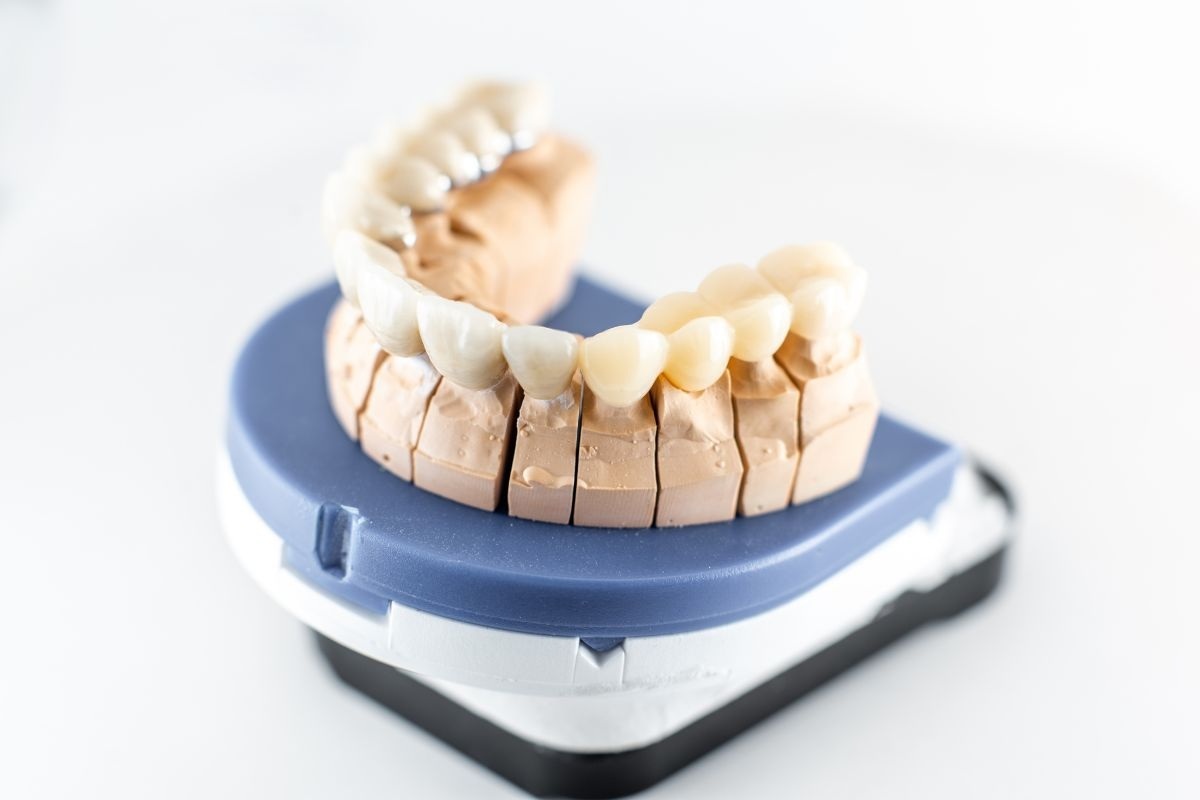
Zirconia crowns are tooth-colored dental crowns made from a strong ceramic material. In pediatric dentistry, prefabricated zirconia crowns are available in different sizes and are designed to fit over prepared primary teeth.
A dental crown is used to cover and protect a baby tooth that has significant decay, damage, or weakened tooth structure. If you’re wondering how long baby tooth crowns last, several factors can influence how long a crown remains on a primary tooth, including the type of crown, the child’s age, the tooth being treated, oral hygiene, and when the baby tooth is expected to naturally fall out.
Zirconia crowns are one option for restoring primary teeth. Unlike stainless steel crowns, they have a white, tooth-like appearance that can blend more naturally with a child’s smile. This makes them an appealing choice for parents who want full-coverage protection while also considering the appearance of their child’s teeth.
However, the appearance of a crown is only one factor to consider. A pediatric dentist will also evaluate the condition and location of the tooth, how much healthy tooth structure remains, the child’s bite, and other factors before recommending the most appropriate restoration.
Why Might a Child Need a Zirconia Crown?
A pediatric dentist may consider a crown when a primary tooth has significant damage that cannot be predictably restored with a simple filling.
Common situations can include:
- Extensive tooth decay
- A large cavity involving several surfaces
- A weakened tooth following dental treatment
- A fractured or damaged primary tooth
- A tooth that needs full-coverage protection
- Certain developmental defects affecting tooth structure
The decision is not based on appearance alone. A pediatric dental examination helps determine how much healthy tooth structure remains and which type of restoration is appropriate.
What Makes Zirconia Crowns Appealing for Children?
1. Tooth-colored appearance
One of the biggest reasons parents ask about zirconia is aesthetics. Zirconia crowns are designed to resemble natural teeth rather than having the metallic appearance associated with stainless steel crowns.
Research has found high parental satisfaction with the appearance of zirconia crowns, particularly when used on primary anterior teeth.
2. Strong and durable material
Children use their teeth every day for chewing, biting, and speaking, so a restoration needs to withstand normal function.
Studies evaluating zirconia crowns on primary teeth have reported good fracture resistance and retention. A systematic review also found that zirconia crowns were generally retentive and showed favorable clinical performance.
That does not mean a zirconia crown cannot become damaged or dislodged. Like any dental restoration, its longevity can depend on the tooth, bite, oral hygiene, placement technique, and everyday habits.
3. Favorable gum-health findings
Another reason zirconia crowns have attracted attention in pediatric dentistry is their relationship with the surrounding gum tissue.
Systematic reviews have reported favorable gingival and periodontal findings for zirconia crowns on primary teeth. Some comparative research has also found less plaque accumulation or better gingival outcomes with zirconia than certain alternative crown materials.
Proper brushing and routine dental visits are still essential. A crown does not make a tooth immune to plaque or future dental problems.
Are There Any Downsides to Zirconia Crowns?
Yes. While zirconia crowns can be an excellent option for some children, they are not automatically the best choice for every tooth.
One important consideration is that zirconia crowns are prefabricated and generally cannot be crimped or adjusted in the same way as stainless steel crowns. As a result, the tooth usually needs to be prepared more extensively so the crown can fit properly. The AAPD identifies greater tooth reduction as one of the disadvantages of zirconia crowns.
Zirconia crowns can also require careful technique for proper seating and cementation.
Another consideration is the child’s bite. Recent research comparing zirconia and composite strip crowns for primary front teeth found favorable retention and restoration outcomes for zirconia but also reported greater wear on opposing teeth in some analyses.
This is why the choice of crown should be individualized rather than based solely on whether a crown looks natural.
Zirconia vs. Stainless Steel Crowns: Which Is Better?
There is no single crown that is best for every child.
Zirconia crowns may be attractive when parents prioritize a tooth-colored appearance and the tooth can be appropriately prepared for the restoration.
Stainless steel crowns remain an important pediatric restorative option, particularly for certain primary molars and situations where durability and predictable full coverage are priorities. The AAPD continues to recognize preformed stainless steel crowns and zirconia crowns among restorative options used in pediatric dentistry.
Your child’s pediatric dentist may consider:
- The location of the tooth
- How much tooth structure remains
- The extent of decay or damage
- Your child’s bite
- Gum health
- The child’s age and expected time before the tooth naturally falls out
- The ability to achieve a good fit
- Oral hygiene and overall cavity risk
The goal is not simply to choose the most attractive crown. It is to choose a restoration that appropriately protects the tooth and supports your child’s oral health.
What Should Parents Expect During a Zirconia Crown Procedure?
The exact process varies depending on the tooth and your child’s needs, but treatment generally involves preparing the affected tooth, selecting the appropriate crown size, and placing the crown securely.
No Sugar Bugs Club Children’s Dentistry notes that primary-tooth crowns are selected from prefabricated options and adjusted for fit and bite.
Parents can help by explaining the procedure in simple, positive language before the appointment. Avoid telling a child that something “won’t hurt” if you cannot guarantee that experience. Instead, reassure them that the dental team will explain what is happening and help them feel comfortable.
How Can Parents Care for a Tooth With a Zirconia Crown?
A crowned baby tooth still needs regular care.
Parents should:
- Help younger children brush twice daily with fluoride toothpaste as recommended for their age.
- Clean around the crown and gumline carefully.
- Limit frequent sugary snacks and drinks.
- Encourage healthy eating habits.
- Keep regular pediatric dental appointments.
- Contact the dental office if the crown becomes loose, damaged, or uncomfortable.
Even though zirconia is strong, good oral hygiene remains important because the surrounding tooth and gums can still develop problems.
When Should You Talk With a Pediatric Dentist?
If your child’s dentist has recommended a crown, it is reasonable to ask why a crown is necessary and what alternatives may be available.
You may want to ask:
- Why does my child need a crown?
- How much of the tooth is damaged?
- Is a filling still an option?
- Which crown material do you recommend and why?
- How long is the baby tooth expected to remain?
- Will the crown affect my child’s bite?
- How should we care for the crown at home?
A personalized examination is important because two children with seemingly similar cavities may have very different treatment needs.
For families in Trinity, FL, No Sugar Bugs Club Children’s Dentistry provides pediatric dental care in a child-focused environment and serves infants, children, teens, and patients with special needs.
Frequently Asked Questions
Are zirconia crowns safe for baby teeth?
Yes. Zirconia crowns are an established restorative option for primary teeth. Research has reported favorable outcomes for retention, strength, gingival health, and parent satisfaction. However, whether a zirconia crown is appropriate depends on the individual child’s tooth and clinical needs.
Do zirconia crowns damage permanent teeth?
A properly planned and placed crown is intended to restore and protect the primary tooth rather than harm the developing permanent tooth. The preparation and treatment approach should be determined by a qualified pediatric dental professional based on the child’s individual anatomy and dental development.
Are zirconia crowns better than stainless steel crowns?
Not necessarily. Both are recognized pediatric restorative options, and each has advantages and limitations. Zirconia offers a tooth-colored appearance, while stainless steel crowns remain widely used for full coverage, particularly on primary molars. The best choice depends on the child’s tooth and treatment needs.
How long will a zirconia crown stay on a baby tooth?
A crown is intended to protect the primary tooth until it naturally exfoliates, but the actual duration varies according to the child’s age, tooth, bite, oral hygiene, and other factors. A pediatric dentist can give a more individualized expectation after examining the tooth.
Should I choose a white crown for my child’s baby tooth?
A white zirconia crown may be a good option for some children, particularly when appearance is an important consideration. However, aesthetics should be considered alongside fit, tooth condition, function, and the child’s overall treatment needs.
Conclusion
So, are zirconia crowns safe for kids? For appropriately selected cases, evidence supports zirconia crowns as a viable restorative option for primary teeth. They offer a tooth-colored appearance and have demonstrated favorable clinical performance in research, including good retention and strength.
Still, the safest and most appropriate choice is not necessarily the same for every child. A pediatric dentist should evaluate the tooth, surrounding tissues, bite, remaining tooth structure, and expected lifespan of the baby tooth before recommending a specific crown.
If your child in Trinity, FL has extensive decay, a damaged baby tooth, or has been told they may need a crown, No Sugar Bugs Club Children’s Dentistry can help you understand the available options and make an informed decision about your child’s care. You can also see patient reviews on Google when researching a pediatric dental office in the Trinity area.