
How Does a Pediatric Dentist Help With Dental Anxiety in Children?

pediatric dentist (11)

Does your child feel nervous before a dental visit? You are not alone. Many families deal with dental anxiety at a young age. The good news is that a trained Pediatric Dentist knows how to make visits calm, safe, and even fun. A caring kids dentist uses simple steps to help children feel at ease and build trust over time.

This guide explains how dental visits can become a positive experience for your child.

Meet a Caring Approach to Children’s Dental Visits

Christopher E. Chuong, DMD

At No Sugar Bugs Club Children’s Dentistry, your child’s comfort comes first. Dr. “Chris” is a board-certified Pediatric Dentist with advanced training focused on children’s care. He completed his education with high honors and continued his training at a leading children’s hospital program.

He treats each child with the same care he would give his own family. His goal is simple: to reduce dental anxiety and help kids feel safe at every visit.

If your child feels nervous, call the pediatric dentist and take the first step toward a more relaxed dental experience.

Why Do Children Feel Dental Anxiety?

Understanding the cause helps parents and a kids dentist respond the right way.

Common reasons include:

  • Fear of the unknown
  • Past dental or medical experiences
  • Loud sounds or bright lights
  • Hearing stories from others

A skilled Pediatric Dentist knows how to spot these fears early and adjust the visit to meet your child’s needs.

How a Pediatric Dentist Builds Trust

A strong bond helps reduce dental anxiety over time. Here is how it works.

Friendly First Visits

The first visit is often simple. The kids dentist may just count teeth, show tools, and talk in a calm voice.

Tell-Show-Do Method

This method is key in pediatric care. The Pediatric Dentist explains what will happen, shows the tool, then gently performs the step.

Positive Language

Simple and kind words replace scary terms. This helps lower dental anxiety and builds comfort.

Creating a Child-Friendly Space

The setting plays a big role in how children feel.

A kids dentist office is designed for comfort:

  • Bright colors and fun themes
  • Kid-sized chairs
  • Friendly staff who speak in simple words

This type of space helps reduce dental anxiety before treatment even begins.

Gentle Techniques That Make a Difference

A trained Pediatric Dentist uses methods that focus on comfort.

Behavior Guidance

Children are guided step by step. Praise and encouragement help them stay calm.

Distraction Tools

TV screens, music, or simple stories can shift a child’s focus away from fear.

Slow and Gentle Care

A kids dentist works at a pace that fits the child. This lowers stress and builds trust.

Support for Parents Matters Too

Parents play a key role in managing dental anxiety.

Here are some simple tips:

  • Stay calm and positive before the visit
  • Avoid using fear-based words
  • Bring a comfort item like a toy
  • Trust the Pediatric Dentist to guide the process

When parents feel relaxed, children often follow.

Local Insight for Families

In busy family routines, it is easy to delay dental visits. Warm weather and active outdoor play can also lead to more snacking and sugary drinks, which may increase dental issues.

Regular visits with a kids dentist help catch small problems early. This reduces the need for complex care and helps lower dental anxiety over time.

Long-Term Benefits of Early Support

When children feel safe at the dentist, they build healthy habits for life.

  • Less fear during future visits
  • Better oral health habits
  • Strong trust in dental care

A positive early experience with a Pediatric Dentist can shape how your child views dental care for years.

Final Thoughts

Dental anxiety in children is common, but it can be managed with the right care. A skilled kids dentist uses simple, gentle methods to help children feel calm and safe. Over time, these visits become easier and even enjoyable.

If your child is nervous about dental care, early support can make a big difference. Schedule a consultation with No Sugar Bugs Club Children’s Dentistry to get started. You can also contact our dental office to learn how we can support your child’s comfort and care.

Frequently Asked Questions

What is the best age for a child’s first dental visit?

Children should visit the dentist by their first birthday or when the first tooth appears.

How can I prepare my child for a dental visit?

Talk in a calm tone, keep it simple, and avoid sharing negative stories.

What if my child cries during the visit?

This is normal. Dental teams are trained to handle these moments with care.

Are dental visits safe for young children?

Yes, visits are designed to be gentle and safe for all age groups.

How often should children see a dentist?

Most children benefit from visits every six months.

Can fear of the dentist go away over time?

Yes, with regular positive visits, children often feel more comfortable.
What Causes Sensitive Teeth in Children?

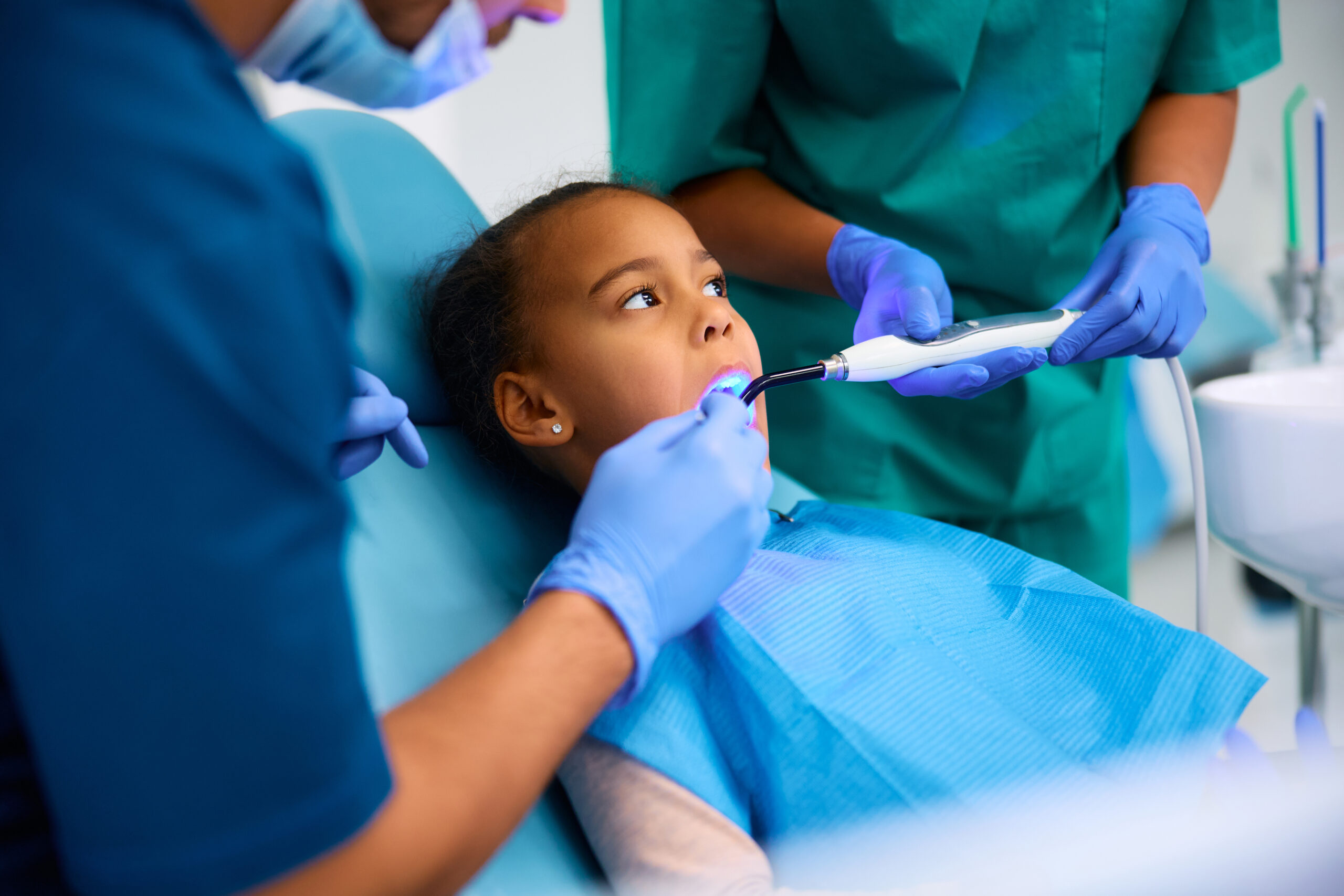
black little girl during dental procedure at dentist's office.

Does your child wince when eating ice cream or sipping juice? Sensitive teeth in children are more common than many parents think. It can feel worrying, but the cause is often simple and treatable. A skilled Pediatric Dentist or a trusted kids dentist can help you understand what is going on and how to fix it.

If you have searched for a Pediatric Dentist near me, this guide will help you spot the causes and know when to act.

Meet a Caring Pediatric Dental Expert

Christopher E. Chuong, DMD

At No Sugar Bugs Club Children’s Dentistry, your child’s comfort comes first. Dr. “Chris” is a board-certified Pediatric Dentist with advanced training focused on children’s care. He completed his education with high honors and continued his training through a respected hospital program dedicated to pediatric dentistry.

He believes in gentle care and clear steps that reduce fear and pain. His goal is simple: to treat every child with care and patience.

If your child shows signs of sensitive teeth, call the pediatric dentist and get guidance early.

What Does Tooth Sensitivity Feel Like?

Children may not always explain pain clearly. Watch for these signs of sensitive teeth:

  • Sudden pain with cold or hot food
  • Discomfort when brushing
  • Avoiding certain foods
  • Complaints of sharp pain that goes away quickly

A kids dentist can check for the cause and guide the next step.

Common Causes of Sensitive Teeth in Children

There is no single reason for sensitive teeth. It often comes from a mix of small issues.

1. Enamel Wear

Enamel protects the tooth. As it wears down, the inner layer becomes exposed. This leads to sensitive teeth.

2. Tooth Decay

Cavities can open up the tooth surface. This can cause pain when eating or drinking.

3. Gum Problems

If gums pull back, the root of the tooth gets exposed. This area is more sensitive.

4. Teeth Grinding

Some children grind their teeth at night. This can wear down enamel and lead to sensitivity.

5. Cracked or Chipped Teeth

Even a small crack can cause discomfort. A Pediatric Dentist can spot this early.

6. Acidic Foods and Drinks

Frequent intake of juice, soda, or citrus foods can weaken enamel.

How a Pediatric Dentist Diagnoses the Problem

A Pediatric Dentist uses simple steps to find the cause of sensitive teeth.

  • Visual exam of teeth and gums
  • Gentle tapping or air test
  • X-rays if needed

A kids dentist keeps the process calm and child-friendly so your child feels safe.

Simple Ways to Manage Sensitive Teeth

Once the cause is clear, treatment becomes easier.

Use a Soft Toothbrush

A soft brush protects enamel and gums.

Choose the Right Toothpaste

Special toothpaste for sensitive teeth can help reduce pain over time.

Limit Sugary and Acidic Foods

Cut back on snacks and drinks that harm enamel.

Night Guards for Grinding

If grinding is the issue, a Pediatric Dentist may suggest a simple guard.

Regular Check-Ups

Routine visits with a kids dentist help catch problems early.

Local Insight for Families Near Trinity

If you are searching for a Pediatric Dentist near me, knowing your surroundings can help. No Sugar Bugs Club Children’s Dentistry is located at 8804 Hawbuck St, Trinity, FL 34655.

Many families in the area plan dental visits around their daily routine. After your child’s appointment, you can take a short drive to Starkey Wilderness Park for a relaxing walk or outdoor break. Another nearby spot is Trinity Farmers Market, where families often spend time together on weekends.

Planning small outings like these can help children feel relaxed about dental visits. It turns a visit to the kids’ dentist into part of a positive day.

When Should You See a Dentist?

Don’t wait too long if your child has sensitive teeth. Early care prevents bigger problems.

Visit a Pediatric Dentist if:

  • Pain lasts more than a few days
  • Your child avoids eating
  • You notice visible damage or spots
  • Sensitivity gets worse over time

If you are looking for a Pediatric Dentist near me, choosing early care can save time and stress later.

Final Thoughts

Sensitive teeth in children can be managed with the right care and early attention. A trusted kids dentist knows how to find the cause and guide simple treatment steps. Small changes at home and regular visits make a big difference.

If your child is dealing with tooth sensitivity, do not wait. Schedule a consultation with No Sugar Bugs Club Children’s Dentistry to get the right care. You can also contact our dental office to discuss your child’s symptoms and next steps.

Frequently Asked Questions

Why do children get tooth sensitivity?

Children can develop sensitivity when the outer layer of the tooth, called enamel, becomes weak or worn down. This may happen due to frequent sugary snacks, acidic drinks, or poor brushing habits. Cavities and minor gum issues can also expose sensitive areas of the tooth, leading to discomfort.

Is tooth sensitivity a serious problem in children?

Tooth sensitivity is not always serious at first, but it should not be ignored. What starts as mild discomfort can turn into pain if the cause is not treated. Early care helps prevent bigger issues like deeper decay or infection.

Can brushing too hard cause sensitivity in kids?

Yes, brushing too hard or using a hard-bristled toothbrush can wear down enamel over time. It can also irritate the gums, exposing softer parts of the tooth. Teaching gentle brushing with a soft toothbrush can help prevent this.

How can I help my child manage sensitivity at home?

You can help by using a soft toothbrush and a toothpaste made for sensitivity. Encourage your child to avoid very cold or very sweet foods for a while. Maintaining a regular brushing and flossing routine also supports better oral health.

Do children outgrow tooth sensitivity on their own?

Some mild cases may improve if the cause is temporary, like new teeth coming in. However, many cases need proper care. A dentist can check the cause and suggest the right treatment to avoid long-term problems.

When should I take my child to the dentist for sensitivity?

You should visit a dentist if your child complains of pain often, avoids eating certain foods, or if the discomfort lasts more than a few days. Early evaluation helps find the cause and ensures your child stays comfortable.

How Do Pediatric Dentists Help Prevent Tooth Decay in Children?

pediatric dentist (6)

Tooth decay is one of the most common problems in children. It can start early and spread fast if it is not treated on time. The good news is that a pediatric dentist can help stop decay before it becomes serious.

If you have ever searched for a pediatric dentist near me, you are already thinking about your child’s long term dental health. This guide explains how the right care and simple habits can protect your child’s smile every day.

Why Tooth Decay Starts in Children

Tooth decay begins when bacteria in the mouth feed on sugar. These bacteria produce acids that slowly weaken the tooth surface.

Children are more at risk because:

  • They enjoy sweet snacks and drinks
  • They may not brush well on their own
  • They snack often during the day
  • Bedtime habits may include milk or juice

A pediatric dentist can help control these risks early and keep small issues from turning into cavities.

What Does a Pediatric Dentist Do?

A pediatric dentist is trained to care for children from infancy to the teen years. They understand how baby teeth grow and how to guide healthy habits from a young age.

They focus on:

  • Preventing tooth decay
  • Checking growth and development
  • Making visits easy and calm for kids

When families search for a pediatric dentist near me, they often look for a place that feels welcoming and easy for children to visit regularly.

The Importance of Early Dental Visits

Your child should see a dentist by their first birthday or when their first tooth appears. Early visits build trust and help detect problems at the start.

During a visit, the dentist will:

  • Check for early signs of decay
  • Clean the teeth gently
  • Review brushing habits
  • Guide parents on diet and care

Early care means fewer dental issues later and helps children feel comfortable with dental visits.

Preventive Treatments That Protect Teeth

A pediatric dentist uses simple and safe treatments to reduce the risk of cavities.

Fluoride Care

Fluoride strengthens enamel and helps stop early decay. It is quick and painless.

Dental Sealants

Sealants cover the grooves of the back teeth where food often gets stuck. They act as a shield against bacteria.

Routine Cleanings

Cleanings remove plaque that brushing may miss. This keeps teeth and gums healthy.

These treatments work best when done at the right time and followed with good home care.

Building Healthy Daily Habits

Good habits at home are the base of strong teeth. A pediatric dentist can help parents and children stay on track.

Key habits include:

  • Brushing twice a day with fluoride toothpaste
  • Flossing once teeth touch
  • Drinking water after meals
  • Limit sugary snacks and drinks

Children learn best with simple routines and regular guidance.

How Diet Affects Your Child’s Teeth

Food choices play a big role in dental health. It is not just about what kids eat but how often they eat.

Helpful tips include:

  • Choose whole fruits instead of juice
  • Keep snacks at set times
  • Avoid sticky and sugary treats
  • Offer water instead of soda or sports drinks

Many parents who search for a pediatric dentist near me are surprised how small diet changes can lower the risk of cavities.

Tracking Growth and Preventing Future Problems

Children’s teeth and jaws change quickly. Regular visits help track these changes.

A pediatric dentist checks for:

  • Early crowding
  • Bite issues
  • Signs of weak enamel
  • Effects of habits like thumb sucking

Early care reduces the need for complex treatments later.

Making Dental Visits a Positive Experience

A child’s experience at the dentist shapes their habits for life. Pediatric dental care focuses on comfort and trust.

Visits are designed to:

  • Be short and simple
  • Use friendly language
  • Build confidence step by step

When visits feel easy, children are more likely to keep up with their care as they grow.

Turning Dental Visits Into a Relaxing Family Routine

For families near 8804 Hawbuck St, planning a dental visit can be simple and stress-free when paired with a short outing.

Before the appointment, a walk at Jay B. Starkey Wilderness Park can help children feel calm. Fresh air often reduces anxiety and makes the visit easier.

After the visit, stopping by Panera Bread can give children something to look forward to. A simple reward helps build a positive mindset around dental care.

Families who prefer a quiet place can visit Trinity Veterans Park after the appointment. It is a nice way to relax and talk about the visit.

Many parents searching for a pediatric dentist near me find that adding these small steps makes dental care feel like a normal and easy part of life.

Conclusion

Preventing tooth decay in children starts with the right support and simple habits. A pediatric dentist can help guide your child through every stage, from early visits to daily care routines.

If you have been searching for a pediatric dentist near me, now is the time to take action and build a strong dental routine for your child.

At No Sugar Bugs Club Children’s Dentistry, care is focused on making every visit simple and comfortable for families. You can schedule a consultation with us to get started, or contact our dental office to learn how to protect your child’s smile for years to come.

Frequently Asked Questions

What causes cavities in young children

Cavities form when bacteria break down sugars and produce acid that damages the tooth surface. Frequent snacking and poor brushing increase this risk.

How often should my child visit a dentist

Most children should visit every six months. Some may need more frequent visits based on their risk of tooth decay.

Can tooth decay be reversed in its early stages

Yes, early signs of decay can be slowed or reversed with fluoride treatments and improved oral care at home.

Why are baby teeth important if they fall out later

Baby teeth help children eat, speak clearly, and hold space for adult teeth. Losing them too early can lead to alignment problems.

What is the best way to clean a toddler’s teeth

Use a soft brush with a small amount of fluoride toothpaste. Parents should help brush until the child can do it properly on their own.

How can I reduce my child’s fear of dental visits

Start visits early, keep a calm attitude, and choose a dental office that focuses on children. Positive experiences help build long term comfort.

The Role of Dental Hygiene in Preventing Bad Breath in Children

pediatric dentist (7)

Bad breath in children can be surprising for many parents. It often points to simple issues like poor brushing or food left between teeth. The good news is that it is easy to manage with the right habits and support from a pediatric dentist.

If you have searched for a pediatric dentist near me, you are already taking a step toward better oral health for your child. This guide explains how daily hygiene and regular care help prevent bad breath and keep your child’s smile fresh.

Meet Your Child’s Dental Specialist

Christopher E. Chuong, DMD

Christopher E. Chuong, DMD
Board Certified Pediatric Dentist
Diplomate, American Board of Pediatric Dentistry

Dr. Chris is a native of St. Petersburg, Florida. He earned his Bachelor of Science degree Summa Cum Laude from Emory University and graduated Phi Beta Kappa. He then completed his doctorate with High Honors from the University of Florida College of Dentistry.

With a strong interest in caring for children, Dr. Chris completed his pediatric dentistry residency at the University of Florida and Shands Hospital. He also achieved board certification and is a Diplomate of the American Board of Pediatric Dentistry.

Dr. Chris focuses on gentle care and clear guidance. His goal is to treat every child with the same care and attention he would give his own family. If you are looking for a pediatric dentist near me, having a trusted and skilled provider makes a real difference. Call today to schedule your child’s visit and get clear answers about their dental health.

What Causes Bad Breath in Children

Bad breath, also called halitosis, often starts with bacteria in the mouth. These bacteria break down food and release odor.

Common causes include:

  • Poor brushing and flossing
  • Food stuck between teeth
  • Dry mouth
  • Cavities or gum issues
  • Mouth breathing

pediatric dentist can find the cause early and help fix it before it becomes a bigger issue.

Why Dental Hygiene Matters

Good dental hygiene is the best way to prevent bad breath. It removes food particles and reduces bacteria.

Simple habits can make a big difference:

  • Brush teeth two times a day
  • Floss once a day
  • Clean the tongue gently
  • Drink enough water

Families who search for a pediatric dentist near me often learn that small daily steps can stop bad breath before it starts.

Daily Habits That Keep Breath Fresh

Children need guidance to build strong habits. A pediatric dentist can help both parents and kids understand what to do at home.

Brushing the Right Way

Use a soft brush and fluoride toothpaste. Brush for two minutes and cover all areas.

Flossing Every Day

Floss removes food stuck between teeth where brushes cannot reach.

Cleaning the Tongue

The tongue holds bacteria. Gentle cleaning helps reduce odor.

Staying Hydrated

Water helps wash away food and keeps the mouth fresh.

These steps are simple but very effective when done daily.

The Role of Regular Dental Visits

Even with good home care, regular dental visits are important. A pediatric dentist can clean areas that are hard to reach and check for early signs of problems.

During a visit, the dentist will:

  • Remove plaque buildup
  • Check for cavities
  • Review brushing habits
  • Give tips for better hygiene

Parents looking for a pediatric dentist near me often notice that regular visits help keep their child’s breath fresh and healthy.

How Diet Affects Breath

Food choices play a big role in how your child’s breath smells.

Helpful tips include:

  • Limit sugary snacks
  • Avoid sticky foods
  • Offer fresh fruits and vegetables
  • Encourage water instead of sugary drinks

Balanced meals support better oral health and reduce odor over time.

Making Dental Care Part of Your Routine

For families near 8804 Hawbuck St, it helps to plan dental visits as part of a normal day.

Before the appointment, a short visit to Jay B. Starkey Wilderness Park can help your child feel calm and relaxed.

After the visit, you can stop by Panera Bread for a small break. This makes the visit feel like a positive outing.

If you prefer a quieter space, Trinity Veterans Park is a nice place to relax and talk about what your child learned during the visit.

Many parents searching for a pediatric dentist near me find that pairing dental care with simple activities helps children feel more at ease.

When to See a Dentist for Bad Breath

Sometimes bad breath does not go away with brushing alone. This may mean there is a deeper issue.

You should visit a pediatric dentist if:

  • Bad breath lasts for many days
  • Your child has tooth pain
  • Gums look red or swollen
  • There are signs of decay

Early care helps fix the problem quickly and keeps your child comfortable.

Conclusion

Good dental hygiene is the key to preventing bad breath in children. With daily care and regular visits, most cases are easy to manage.

pediatric dentist provides the right guidance, simple treatments, and support your child needs to build healthy habits for life. If you have been searching for a pediatric dentist near me, now is a great time to take action.

At No Sugar Bugs Club Children’s Dentistry, families receive clear guidance and gentle care for every stage of growth. You can schedule an consultation with Clinic Name to get started, or contact our dental office to learn how to keep your child’s breath fresh and healthy.

Frequently Asked Questions

What is the main cause of bad breath in children

The most common cause is poor oral hygiene. Bacteria build up on teeth and the tongue, leading to odor.

Can bad breath mean my child has cavities

Yes, cavities can trap food and bacteria, which may cause bad breath if not treated.

How can I tell if my child is brushing properly

Check if they brush for two minutes and cover all sides of the teeth. A dentist can also review their technique during visits.

Does dry mouth cause bad breath in kids

Yes, less saliva allows bacteria to grow faster, which can lead to odor.

Are mouthwashes safe for children

Some are safe, but it is best to ask a dental professional before using them for young children.

How long does it take to fix bad breath

With proper care, mild bad breath can improve in a few days. Ongoing issues may need dental treatment.