How Does a Pediatric Dentist Help With Dental Anxiety in Children?

Young girl holding her cheek in discomfort, showing signs of dental anxiety or tooth pain.

A little nervousness before a dental appointment is common, especially when a child doesn’t know what to expect. Some children may become quiet or clingy. Others may cry, refuse to sit in the chair, or become upset as soon as they hear the word “dentist.”

That doesn’t mean your child is being difficult. Dental anxiety can come from an unfamiliar environment, a previous experience, fear of discomfort, or simply not understanding what is going to happen.

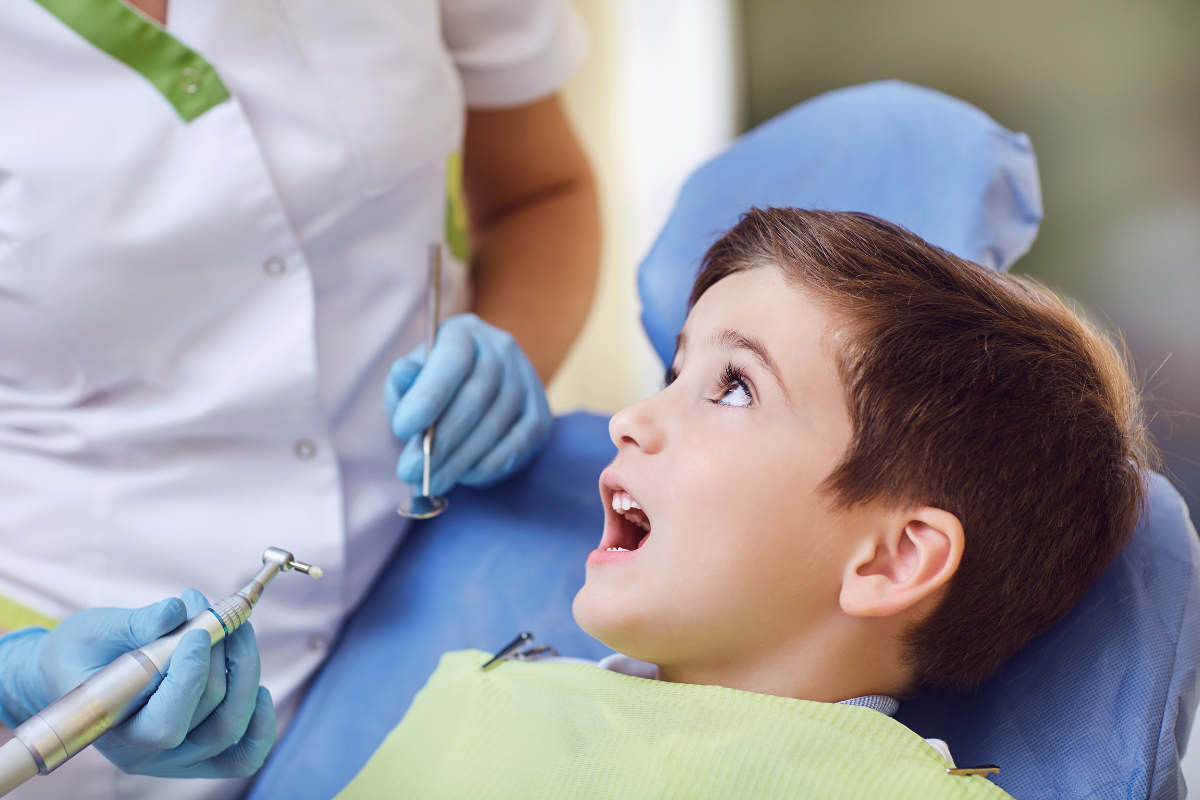
A pediatric dentist is trained to work with children at different developmental stages and can use age-appropriate communication and behavior guidance to make dental visits more manageable. The goal isn’t to force a child to stop being afraid. It’s to understand the fear, build trust, and help the child gradually become more comfortable with dental care. The American Academy of Pediatric Dentistry (AAPD) recognizes techniques such as communication, tell-show-do, positive reinforcement, distraction, and desensitization as part of pediatric behavior guidance.

Meet a Caring Approach to Children’s Dental Visits

At No Sugar Bugs Club Children’s Dentistry, your child’s comfort comes first. Dr. “Chris” is a board-certified pediatric dentist with advanced training focused on children’s care. He completed his education with high honors and continued his training at a leading children’s hospital program.

He treats each child with the same care he would give his own family. His goal is simple: to reduce dental anxiety and help kids feel safe at every visit.

If your child feels nervous, call the pediatric dentist and take the first step toward a more relaxed dental experience.

Why Do Children Feel Dental Anxiety?

Understanding the cause helps parents and a kids dentist respond the right way.

Common reasons include:

  • Fear of the unknown
  • Past dental or medical experiences
  • Loud sounds or bright lights
  • Hearing stories from others

A skilled Pediatric Dentist knows how to spot these fears early and adjust the visit to meet your child’s needs.

How a Pediatric Dentist Builds Trust

A strong bond helps reduce dental anxiety over time. Here is how it works.

Friendly First Visits

The first visit is often simple. The kids dentist may just count teeth, show tools, and talk in a calm voice.

Tell-Show-Do Method

This method is key in pediatric care. The Pediatric Dentist explains what will happen, shows the tool, then gently performs the step.

Positive Language

Simple and kind words replace scary terms. This helps lower dental anxiety and builds comfort.

Creating a Child-Friendly Space

The setting plays a big role in how children feel.

A kids dentist office is designed for comfort:

  • Bright colors and fun themes
  • Kid-sized chairs
  • Friendly staff who speak in simple words

This type of space helps reduce dental anxiety before treatment even begins.

Gentle Techniques That Make a Difference

A trained Pediatric Dentist uses methods that focus on comfort.

Behavior Guidance

Children are guided step by step. Praise and encouragement help them stay calm.

Distraction Tools

TV screens, music, or simple stories can shift a child’s focus away from fear.

Slow and Gentle Care

A kids dentist works at a pace that fits the child. This lowers stress and builds trust.

Support for Parents Matters Too

Parents play a key role in managing dental anxiety.

Here are some simple tips:

  • Stay calm and positive before the visit
  • Avoid using fear-based words
  • Bring a comfort item like a toy
  • Trust the Pediatric Dentist to guide the process

When parents feel relaxed, children often follow.

Can Regular Dental Visits Reduce Fear Over Time?

For many children, familiarity can make dental care feel less intimidating.

Routine visits give children repeated opportunities to learn what happens in a dental office. They can become familiar with the people, environment, sounds, and basic steps involved in an appointment.

Good oral hygiene at home can reinforce this familiarity too. Parents can make brushing and other daily habits part of a simple routine. For practical ideas, see these dental hygiene tips for kids to help make oral care easier and more engaging.

Regular care shouldn’t be viewed as a guarantee that a child will never experience anxiety. Some children will remain nervous, particularly when they need more involved treatment.

Local Insight for Families

In busy family routines, it is easy to delay dental visits. Warm weather and active outdoor play can also lead to more snacking and sugary drinks, which may increase dental issues.

Regular visits with a kids dentist help catch small problems early. This reduces the need for complex care and helps lower dental anxiety over time.

Long-Term Benefits of Early Support

When children feel safe at the dentist, they build healthy habits for life.

  • Less fear during future visits
  • Better oral health habits
  • Strong trust in dental care

A positive early experience with a Pediatric Dentist can shape how your child views dental care for years.

Final Thoughts

Dental anxiety in children is common, but it can be managed with the right care. A skilled kids dentist uses simple, gentle methods to help children feel calm and safe. Over time, these visits become easier and even enjoyable.

If your child is nervous about dental care, early support can make a big difference. Schedule a consultation with No Sugar Bugs Club Children’s Dentistry to get started. You can also contact our dental office to learn how we can support your child’s comfort and care.

Frequently Asked Questions

How can a pediatric dentist help a child who is afraid of the dentist?

A pediatric dentist can use age-appropriate communication, tell-show-do, positive reinforcement, distraction, and gradual familiarization to help a child become more comfortable. The approach should be adjusted to the child’s developmental level, temperament, treatment needs, and previous experiences.

Is dental anxiety normal in children?

Some degree of nervousness is common, particularly when a child is unfamiliar with dental care or has had a difficult experience. More significant anxiety can interfere with necessary treatment, so parents should tell the dental team about their child’s fears.

What should I say to my child before a dental appointment?

Keep the conversation calm and simple. Explain that the dental team will check and care for their teeth, and avoid sharing frightening stories or your own negative dental experiences.

What if my child cries during a dental appointment?

Crying can happen, particularly with younger children. It doesn’t necessarily mean the child cannot receive dental care. The dental team can assess what is causing the distress and determine whether changes in communication, pacing, distraction, or another behavior-guidance approach may help.

Can dental anxiety improve as a child gets older?

It can. Familiarity, positive experiences, and regular dental care may help some children become more comfortable. However, every child is different, and significant anxiety may require a more individualized approach.

When should my child first see a pediatric dentist?

The AAPD recommends establishing a dental home by age one, or within six months after the first tooth appears. Early visits provide an opportunity for preventive care and parent education before dental problems become more difficult to manage.

A Positive Dental Experience Starts With Trust

Dental anxiety doesn’t have to define your child’s relationship with dental care. A patient, child-focused approach can help children understand what to expect, communicate their concerns, and gradually become more comfortable with visits.

If your child is nervous about going to the dentist, don’t wait until the appointment to mention it. Sharing those concerns with the dental team ahead of time gives everyone a better opportunity to plan for your child’s needs.

For families in Trinity, FL, No Sugar Bugs Club Children’s Dentistry provides pediatric-focused care designed around children’s developing smiles and individual needs. Visit the practice website to learn more about pediatric dental care in Trinity and how to get started.

What Causes Sensitive Teeth in Children?

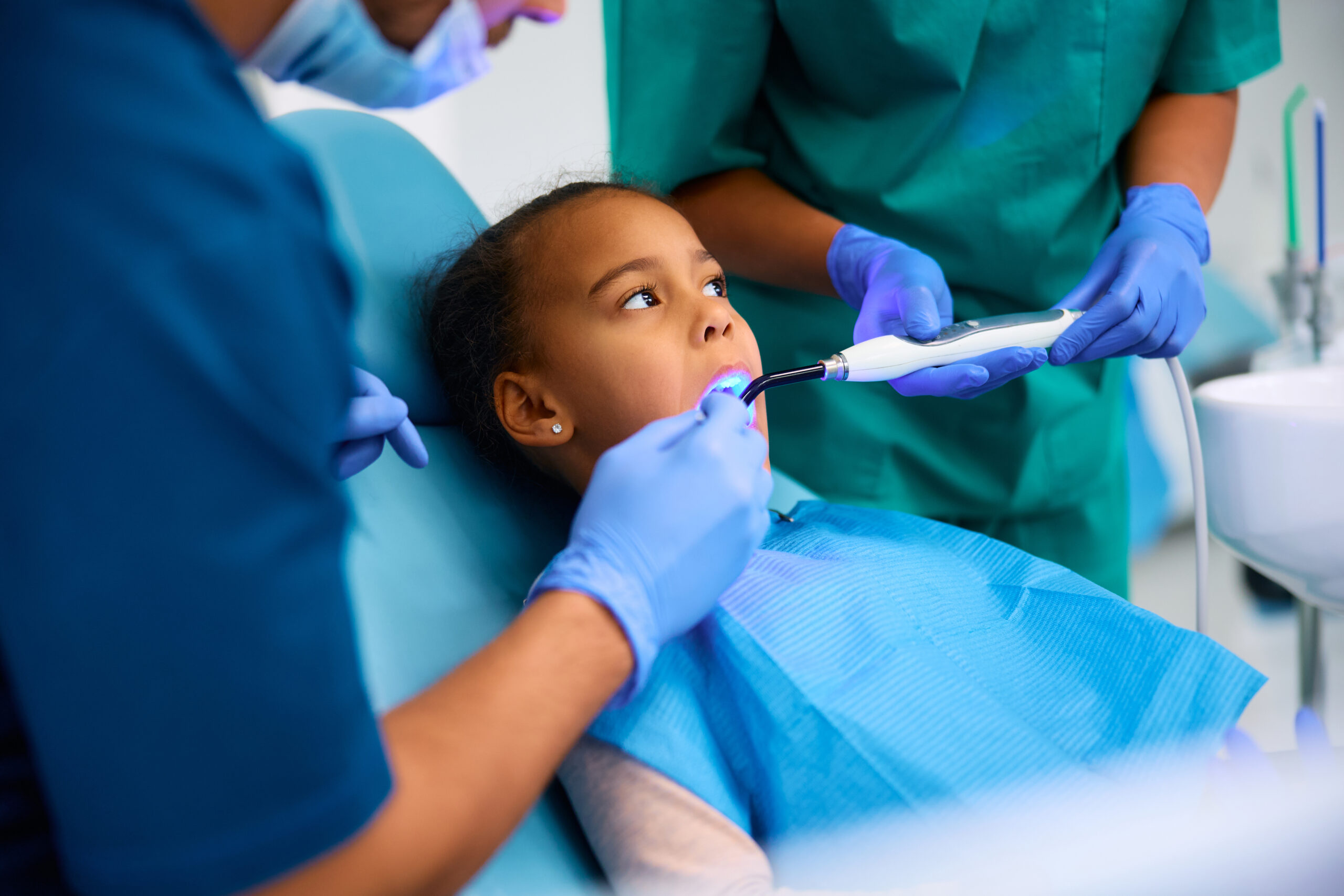
Young patient receiving dental examination with intraoral camera at Trinity dental practice.

Does your child wince when eating ice cream or sipping juice? Sensitive teeth in children are more common than many parents think. It can feel worrying, but the cause is often simple and treatable. A skilled Pediatric Dentist or a trusted kids dentist can help you understand what is going on and how to fix it.

If you have searched for a Pediatric Dentist near me, this guide will help you spot the causes and know when to act.

Meet a Caring Pediatric Dental Expert

Christopher E. Chuong, DMD

At No Sugar Bugs Club Children’s Dentistry, your child’s comfort comes first. Dr. “Chris” is a board-certified Pediatric Dentist with advanced training focused on children’s care. He completed his education with high honors and continued his training through a respected hospital program dedicated to pediatric dentistry.

He believes in gentle care and clear steps that reduce fear and pain. His goal is simple: to treat every child with care and patience.

If your child shows signs of sensitive teeth, call the pediatric dentist and get guidance early.

What Does Tooth Sensitivity Feel Like?

Children may not always explain pain clearly. Watch for these signs of sensitive teeth:

  • Sudden pain with cold or hot food
  • Discomfort when brushing
  • Avoiding certain foods
  • Complaints of sharp pain that goes away quickly

A kids dentist can check for the cause and guide the next step.

Common Causes of Sensitive Teeth in Children

There is no single reason for sensitive teeth. It often comes from a mix of small issues.

1. Enamel Wear

Enamel protects the tooth. As it wears down, the inner layer becomes exposed. This leads to sensitive teeth.

2. Tooth Decay

Cavities can open up the tooth surface. This can cause pain when eating or drinking.

3. Gum Problems

If gums pull back, the root of the tooth gets exposed. This area is more sensitive.

4. Teeth Grinding

Some children grind their teeth at night. This can wear down enamel and lead to sensitivity.

5. Cracked or Chipped Teeth

Even a small crack can cause discomfort. A Pediatric Dentist can spot this early.

6. Acidic Foods and Drinks

Frequent intake of juice, soda, or citrus foods can weaken enamel.

How a Pediatric Dentist Diagnoses the Problem

A Pediatric Dentist uses simple steps to find the cause of sensitive teeth.

  • Visual exam of teeth and gums
  • Gentle tapping or air test
  • X-rays if needed

A kids dentist keeps the process calm and child-friendly so your child feels safe.

Simple Ways to Manage Sensitive Teeth

Once the cause is clear, treatment becomes easier.

Use a Soft Toothbrush

A soft brush protects enamel and gums.

Choose the Right Toothpaste

Special toothpaste for sensitive teeth can help reduce pain over time.

Limit Sugary and Acidic Foods

Cut back on snacks and drinks that harm enamel.

Night Guards for Grinding

If grinding is the issue, a Pediatric Dentist may suggest a simple guard.

Regular Check-Ups

Routine visits with a kids dentist help catch problems early.

Local Insight for Families Near Trinity

If you are searching for a Pediatric Dentist near me, knowing your surroundings can help. No Sugar Bugs Club Children’s Dentistry is located at 8804 Hawbuck St, Trinity, FL 34655.

Many families in the area plan dental visits around their daily routine. After your child’s appointment, you can take a short drive to Starkey Wilderness Park for a relaxing walk or outdoor break. Another nearby spot is Trinity Farmers Market, where families often spend time together on weekends.

Planning small outings like these can help children feel relaxed about dental visits. It turns a visit to the kids’ dentist into part of a positive day.

When Should You See a Dentist?

Don’t wait too long if your child has sensitive teeth. Early care prevents bigger problems.

Visit a Pediatric Dentist if:

  • Pain lasts more than a few days
  • Your child avoids eating
  • You notice visible damage or spots
  • Sensitivity gets worse over time

If you are looking for a Pediatric Dentist near me, choosing early care can save time and stress later.

Final Thoughts

Sensitive teeth in children can be managed with the right care and early attention. A trusted kids dentist knows how to find the cause and guide simple treatment steps. Small changes at home and regular visits make a big difference.

If your child is dealing with tooth sensitivity, do not wait. Schedule a consultation with No Sugar Bugs Club Children’s Dentistry to get the right care. You can also contact our dental office to discuss your child’s symptoms and next steps.

Frequently Asked Questions

Why do children get tooth sensitivity?

Children can develop sensitivity when the outer layer of the tooth, called enamel, becomes weak or worn down. This may happen due to frequent sugary snacks, acidic drinks, or poor brushing habits. Cavities and minor gum issues can also expose sensitive areas of the tooth, leading to discomfort.

Is tooth sensitivity a serious problem in children?

Tooth sensitivity is not always serious at first, but it should not be ignored. What starts as mild discomfort can turn into pain if the cause is not treated. Early care helps prevent bigger issues like deeper decay or infection.

Can brushing too hard cause sensitivity in kids?

Yes, brushing too hard or using a hard-bristled toothbrush can wear down enamel over time. It can also irritate the gums, exposing softer parts of the tooth. Teaching gentle brushing with a soft toothbrush can help prevent this.

How can I help my child manage sensitivity at home?

You can help by using a soft toothbrush and a toothpaste made for sensitivity. Encourage your child to avoid very cold or very sweet foods for a while. Maintaining a regular brushing and flossing routine also supports better oral health.

Do children outgrow tooth sensitivity on their own?

Some mild cases may improve if the cause is temporary, like new teeth coming in. However, many cases need proper care. A dentist can check the cause and suggest the right treatment to avoid long-term problems.

When should I take my child to the dentist for sensitivity?

You should visit a dentist if your child complains of pain often, avoids eating certain foods, or if the discomfort lasts more than a few days. Early evaluation helps find the cause and ensures your child stays comfortable.

How Do Pediatric Dentists Help Prevent Tooth Decay in Children?

Pediatric dentist examining a young child's teeth during a dental checkup visit in Trinity, FL.

Tooth decay is one of the most common problems in children. It can start early and spread fast if it is not treated on time. The good news is that a pediatric dentist can help stop decay before it becomes serious.

If you have ever searched for a pediatric dentist near me, you are already thinking about your child’s long term dental health. This guide explains how the right care and simple habits can protect your child’s smile every day.

Why Tooth Decay Starts in Children

Tooth decay begins when bacteria in the mouth feed on sugar. These bacteria produce acids that slowly weaken the tooth surface.

Children are more at risk because:

  • They enjoy sweet snacks and drinks
  • They may not brush well on their own
  • They snack often during the day
  • Bedtime habits may include milk or juice

A pediatric dentist can help control these risks early and keep small issues from turning into cavities.

What Does a Pediatric Dentist Do?

A pediatric dentist is trained to care for children from infancy to the teen years. They understand how baby teeth grow and how to guide healthy habits from a young age.

They focus on:

  • Preventing tooth decay
  • Checking growth and development
  • Making visits easy and calm for kids

When families search for a pediatric dentist near me, they often look for a place that feels welcoming and easy for children to visit regularly.

The Importance of Early Dental Visits

Your child should see a dentist by their first birthday or when their first tooth appears. Early visits build trust and help detect problems at the start.

During a visit, the dentist will:

  • Check for early signs of decay
  • Clean the teeth gently
  • Review brushing habits
  • Guide parents on diet and care

Early care means fewer dental issues later and helps children feel comfortable with dental visits.

Preventive Treatments That Protect Teeth

A pediatric dentist uses simple and safe treatments to reduce the risk of cavities.

Fluoride Care

Fluoride strengthens enamel and helps stop early decay. It is quick and painless.

Dental Sealants

Sealants cover the grooves of the back teeth where food often gets stuck. They act as a shield against bacteria.

Routine Cleanings

Cleanings remove plaque that brushing may miss. This keeps teeth and gums healthy.

These treatments work best when done at the right time and followed with good home care.

Building Healthy Daily Habits

Good habits at home are the base of strong teeth. A pediatric dentist can help parents and children stay on track.

Key habits include:

  • Brushing twice a day with fluoride toothpaste
  • Flossing once teeth touch
  • Drinking water after meals
  • Limit sugary snacks and drinks

Children learn best with simple routines and regular guidance.

How Diet Affects Your Child’s Teeth

Food choices play a big role in dental health. It is not just about what kids eat but how often they eat.

Helpful tips include:

  • Choose whole fruits instead of juice
  • Keep snacks at set times
  • Avoid sticky and sugary treats
  • Offer water instead of soda or sports drinks

Many parents who search for a pediatric dentist near me are surprised how small diet changes can lower the risk of cavities.

Tracking Growth and Preventing Future Problems

Children’s teeth and jaws change quickly. Regular visits help track these changes.

A pediatric dentist checks for:

  • Early crowding
  • Bite issues
  • Signs of weak enamel
  • Effects of habits like thumb sucking

Early care reduces the need for complex treatments later.

Making Dental Visits a Positive Experience

A child’s experience at the dentist shapes their habits for life. Pediatric dental care focuses on comfort and trust.

Visits are designed to:

  • Be short and simple
  • Use friendly language
  • Build confidence step by step

When visits feel easy, children are more likely to keep up with their care as they grow.

Turning Dental Visits Into a Relaxing Family Routine

For families near 8804 Hawbuck St, planning a dental visit can be simple and stress-free when paired with a short outing.

Before the appointment, a walk at Jay B. Starkey Wilderness Park can help children feel calm. Fresh air often reduces anxiety and makes the visit easier.

After the visit, stopping by Panera Bread can give children something to look forward to. A simple reward helps build a positive mindset around dental care.

Families who prefer a quiet place can visit Trinity Veterans Park after the appointment. It is a nice way to relax and talk about the visit.

Many parents searching for a pediatric dentist near me find that adding these small steps makes dental care feel like a normal and easy part of life.

Conclusion

Preventing tooth decay in children starts with the right support and simple habits. A pediatric dentist can help guide your child through every stage, from early visits to daily care routines.

If you have been searching for a pediatric dentist near me, now is the time to take action and build a strong dental routine for your child.

At No Sugar Bugs Club Children’s Dentistry, care is focused on making every visit simple and comfortable for families. You can schedule a consultation with us to get started, or contact our dental office to learn how to protect your child’s smile for years to come.

Frequently Asked Questions

What causes cavities in young children

Cavities form when bacteria break down sugars and produce acid that damages the tooth surface. Frequent snacking and poor brushing increase this risk.

How often should my child visit a dentist

Most children should visit every six months. Some may need more frequent visits based on their risk of tooth decay.

Can tooth decay be reversed in its early stages

Yes, early signs of decay can be slowed or reversed with fluoride treatments and improved oral care at home.

Why are baby teeth important if they fall out later

Baby teeth help children eat, speak clearly, and hold space for adult teeth. Losing them too early can lead to alignment problems.

What is the best way to clean a toddler’s teeth

Use a soft brush with a small amount of fluoride toothpaste. Parents should help brush until the child can do it properly on their own.

How can I reduce my child’s fear of dental visits

Start visits early, keep a calm attitude, and choose a dental office that focuses on children. Positive experiences help build long term comfort.

The Role of Dental Hygiene in Preventing Bad Breath in Children

Pediatric dentist examining child's teeth during dental checkup in Trinity, FL.

Bad breath in children can be surprising for many parents. It often points to simple issues like poor brushing or food left between teeth. The good news is that it is easy to manage with the right habits and support from a pediatric dentist.

If you have searched for a pediatric dentist near me, you are already taking a step toward better oral health for your child. This guide explains how daily hygiene and regular care help prevent bad breath and keep your child’s smile fresh.

Meet Your Child’s Dental Specialist

Christopher E. Chuong, DMD

Christopher E. Chuong, DMD
Board Certified Pediatric Dentist
Diplomate, American Board of Pediatric Dentistry

Dr. Chris is a native of St. Petersburg, Florida. He earned his Bachelor of Science degree Summa Cum Laude from Emory University and graduated Phi Beta Kappa. He then completed his doctorate with High Honors from the University of Florida College of Dentistry.

With a strong interest in caring for children, Dr. Chris completed his pediatric dentistry residency at the University of Florida and Shands Hospital. He also achieved board certification and is a Diplomate of the American Board of Pediatric Dentistry.

Dr. Chris focuses on gentle care and clear guidance. His goal is to treat every child with the same care and attention he would give his own family. If you are looking for a pediatric dentist near me, having a trusted and skilled provider makes a real difference. Call today to schedule your child’s visit and get clear answers about their dental health.

What Causes Bad Breath in Children

Bad breath, also called halitosis, often starts with bacteria in the mouth. These bacteria break down food and release odor.

Common causes include:

  • Poor brushing and flossing
  • Food stuck between teeth
  • Dry mouth
  • Cavities or gum issues
  • Mouth breathing

A pediatric dentist can find the cause early and help fix it before it becomes a bigger issue.

Why Dental Hygiene Matters

Good dental hygiene is the best way to prevent bad breath. It removes food particles and reduces bacteria.

Simple habits can make a big difference:

  • Brush teeth two times a day
  • Floss once a day
  • Clean the tongue gently
  • Drink enough water

Families who search for a pediatric dentist near me often learn that small daily steps can stop bad breath before it starts.

Daily Habits That Keep Breath Fresh

Children need guidance to build strong habits. A pediatric dentist can help both parents and kids understand what to do at home.

Brushing the Right Way

Use a soft brush and fluoride toothpaste. Brush for two minutes and cover all areas.

Flossing Every Day

Floss removes food stuck between teeth where brushes cannot reach.

Cleaning the Tongue

The tongue holds bacteria. Gentle cleaning helps reduce odor.

Staying Hydrated

Water helps wash away food and keeps the mouth fresh.

These steps are simple but very effective when done daily.

The Role of Regular Dental Visits

Even with good home care, regular dental visits are important. A pediatric dentist can clean areas that are hard to reach and check for early signs of problems.

During a visit, the dentist will:

  • Remove plaque buildup
  • Check for cavities
  • Review brushing habits
  • Give tips for better hygiene

Parents looking for a pediatric dentist near me often notice that regular visits help keep their child’s breath fresh and healthy.

How Diet Affects Breath

Food choices play a big role in how your child’s breath smells.

Helpful tips include:

  • Limit sugary snacks
  • Avoid sticky foods
  • Offer fresh fruits and vegetables
  • Encourage water instead of sugary drinks

Balanced meals support better oral health and reduce odor over time.

Making Dental Care Part of Your Routine

For families near 8804 Hawbuck St, it helps to plan dental visits as part of a normal day.

Before the appointment, a short visit to Jay B. Starkey Wilderness Park can help your child feel calm and relaxed.

After the visit, you can stop by Panera Bread for a small break. This makes the visit feel like a positive outing.

If you prefer a quieter space, Trinity Veterans Park is a nice place to relax and talk about what your child learned during the visit.

Many parents searching for a pediatric dentist near me find that pairing dental care with simple activities helps children feel more at ease.

When to See a Dentist for Bad Breath

Sometimes bad breath does not go away with brushing alone. This may mean there is a deeper issue.

You should visit a pediatric dentist if:

  • Bad breath lasts for many days
  • Your child has tooth pain
  • Gums look red or swollen
  • There are signs of decay

Early care helps fix the problem quickly and keeps your child comfortable.

Conclusion

Good dental hygiene is the key to preventing bad breath in children. With daily care and regular visits, most cases are easy to manage.

A pediatric dentist provides the right guidance, simple treatments, and support your child needs to build healthy habits for life. If you have been searching for a pediatric dentist near me, now is a great time to take action.

At No Sugar Bugs Club Children’s Dentistry, families receive clear guidance and gentle care for every stage of growth. You can schedule an consultation with Clinic Name to get started, or contact our dental office to learn how to keep your child’s breath fresh and healthy.

Frequently Asked Questions

What is the main cause of bad breath in children

The most common cause is poor oral hygiene. Bacteria build up on teeth and the tongue, leading to odor.

Can bad breath mean my child has cavities

Yes, cavities can trap food and bacteria, which may cause bad breath if not treated.

How can I tell if my child is brushing properly

Check if they brush for two minutes and cover all sides of the teeth. A dentist can also review their technique during visits.

Does dry mouth cause bad breath in kids

Yes, less saliva allows bacteria to grow faster, which can lead to odor.

Are mouthwashes safe for children

Some are safe, but it is best to ask a dental professional before using them for young children.

How long does it take to fix bad breath

With proper care, mild bad breath can improve in a few days. Ongoing issues may need dental treatment.

Can Teething Toys Damage Your Baby’s Teeth?

Young child receiving dental examination in chair at Trinity dental office.

Teething is a big step in your baby’s growth. It can also be a tough time for both babies and parents. Many families use teething toys for comfort, but one common question comes up often, are teething toys safe?

The short answer is yes, when used the right way. Teething toys can support teething relief for baby, but the wrong type or overuse may affect baby teeth health. A pediatric dentist can guide you on safe choices and habits.

If you have searched for a pediatric dentist near me, you are already thinking ahead about your baby’s oral health. Let’s break it down in simple terms.

Meet Your Child’s Dental Specialist

Christopher E. Chuong, DMD

Dr. Chris is a native of St. Petersburg, Florida. He earned his Bachelor of Science degree Summa Cum Laude from Emory University and graduated Phi Beta Kappa. He completed his dental degree with High Honors at the University of Florida College of Dentistry.

He continued his training with a pediatric dentistry residency at the University of Florida and Shands Hospital. Dr. Chris is also a Diplomate of the American Board of Pediatric Dentistry.

He focuses on gentle, thoughtful care and treats every child with patience and kindness. If you are looking for a pediatric dentist near me, having a trusted expert can make your baby’s first experiences calm and safe. Call today to plan your baby’s first visit and get answers to your questions.

What Happens During Teething

Teething starts when baby teeth begin to push through the gums. This can cause:

  • Sore or swollen gums
  • Drooling
  • Fussiness
  • A strong urge to chew

Parents often look for teething pain relief methods during this time. Teething toys are one of the most common options for teething relief for babies.

Are Teething Toys Safe for Babies?

Many parents ask, are teething toys safe? Most teething toys are safe when they are made from soft, baby-friendly materials.

Safe teething toys should:

  • Soft and flexible
  • Free from harmful chemicals
  • Easy to clean
  • The right size to prevent choking

A pediatric dentist often recommends simple and safe designs over complex ones. When used correctly, they support teething pain relief without harming baby teeth health.

When Teething Toys Can Cause Problems

Teething toys are helpful, but problems can happen if they are not used properly.

Possible risks include:

  • Hard toys that put pressure on soft teeth
  • Toys filled with liquid that may leak
  • Overuse that may affect gum comfort
  • Poor cleaning that leads to bacteria buildup

These issues may affect baby teeth if ignored. That is why many parents check with a pediatric dentist near me to choose the right options.

Safe Ways to Support Teething Relief

There are simple ways to provide teething relief for your baby while protecting teeth and gums.

Choose Soft Materials

Soft silicone or rubber toys are gentle on gums and safe for early teeth.

Keep Toys Clean

Wash toys often to prevent bacteria.

Use Chilled, Not Frozen Toys

Cool toys can help with teething pain relief, but frozen ones may be too hard.

Limit Use Time

Let your baby use teething toys for short periods instead of all day.

A pediatric dentist can guide you on safe habits that protect baby teeth health.

The Importance of Baby Teeth Health

Even though baby teeth fall out later, they are very important. They help with eating, speech, and guiding adult teeth.

Good baby teeth health starts early. That includes:

  • Cleaning gums before teeth appear
  • Brushing as soon as the first tooth shows
  • Avoiding sugary liquids in bottles

Parents searching for a pediatric dentist near me often learn that early care prevents many future problems.

When to Plan Your Baby’s First Dentist Visit

The right time for your baby’s first visit is by age one or when the first tooth appears. This is known as the baby’s first dentist visit.

During this visit, a pediatric dentist will:

  • Check early tooth growth
  • Look at gum health
  • Guide you on teething relief for baby
  • Answer questions like are teething toys safe

Planning your baby’s first dental visit early builds comfort and trust for future care.

Conclusion

Teething can be a challenging time, but the right care can make it easier. When used properly, teething toys are helpful and support teething pain relief. The key is choosing safe options and following simple habits to protect baby teeth health.

A pediatric dentist can guide you through each step, from choosing safe toys to planning your baby’s first dental visit. If you have been searching for a pediatric dentist near me, now is a great time to take the next step.

At No Sugar Bugs Club Children’s Dentistry, families receive clear and gentle guidance for every stage of care. You can schedule a consultation with us to get started, or contact our dental office to learn more about safe teething and healthy smiles.

Frequently Asked Questions

Can a teething toy push my baby’s teeth out of alignment

Teething toys do not usually affect tooth alignment if they are soft and used in moderation. Hard toys or constant pressure over time may cause minor issues, so it is best to choose safe materials.

When should my baby have their first dental visit

Your baby should visit a dentist by age one or when the first tooth appears. Early visits help check growth and guide proper care.

What are the signs that my baby is starting to teethe

Common signs include drooling, swollen gums, fussiness, and a strong need to chew on objects.

How often should I clean teething toys

Teething toys should be cleaned daily and after each use to prevent bacteria buildup.

Are chilled teething toys better than room temperature ones

Chilled toys can help soothe gums and provide better comfort, but they should not be frozen as that can make them too hard.

Can teething cause bad sleep in babies

Yes, gum discomfort during teething can disturb sleep. Gentle care and safe soothing methods can help improve comfort.

Pediatric Dentist Reveals Top 10 Foods That Cause Cavities in Kids

Young boy in dental chair smiling during pediatric dental examination with dentist in Trinity.

As a parent, you’ve probably faced this daily struggle—your child reaching for sugary snacks, sticky candies, or sipping juice throughout the day. While these treats may seem harmless, they can quietly damage your child’s teeth over time.

As a pediatric dentist in Clearwater, we often see parents surprised by how quickly cavities can develop—even in very young children. The good news? With the right knowledge, you can prevent most dental problems before they start.

This guide will walk you through the top 10 foods that cause cavities in kids, along with smarter alternatives and simple tips to protect your child’s smile.

Meet Your Trusted Pediatric Dentist

Christopher E. Chuong, DMD

At our Clearwater practice, your child’s comfort and health come first.

Christopher E. Chuong, DMD
Board Certified Pediatric Dentist
Diplomate, American Board of Pediatric Dentistry

Dr. “Chris” is a native of St. Petersburg, Florida. He earned his Bachelor of Science degree Summa Cum Laude from Emory University and graduated Phi Beta Kappa (top 10%). He then received his doctorate with High Honors from the University of Florida College of Dentistry.

With a deep passion for working with children, Dr. Chris completed his pediatric dental residency at the prestigious University of Florida/Shands Hospital. He went on to achieve board certification and is a Diplomate of the American Board of Pediatric Dentistry.

His philosophy is simple:
Treat every child with the same care and compassion as your own.

Looking for a trusted pediatric dentist in Clearwater? Book your child’s appointment today and give them a healthy start!

Top 10 Foods That Cause Cavities in Kids

1. Sticky Candy (Gummies, Caramel, Taffy)

Why it causes cavities:
These cling to teeth and feed bacteria for hours.

Best option: Dark chocolate (melts quickly)
Tip: Rinse mouth or brush after eating

2. Sugary Drinks (Juice, Soda, Sports Drinks)

Why it causes cavities:
High sugar + constant sipping = prolonged acid attack

Better option: Water or milk
Tip: Avoid giving juice in sippy cups throughout the day

3. Chips and Crackers

Why it causes cavities:
They break into starch sugars and stick in teeth

Better option: Cheese or nuts
Tip: Encourage rinsing after snacks

4. Dried Fruits (Raisins, Fruit Snacks)

Why it causes cavities:
Sticky + concentrated sugar = high risk

Better option: Fresh fruits like apples
Tip: Serve only during meals, not as frequent snacks

5. Ice Cream and Sweet Desserts

Why it causes cavities:
Loaded with sugar and often eaten slowly

Better option: Yogurt with no added sugar
Tip: Limit frequency rather than total restriction

6. Breakfast Cereals (Sugary Types)

Why it causes cavities:
Often coated in sugar and eaten daily

Better option: Oatmeal or low-sugar cereals
Tip: Check labels—many “healthy” cereals are not!

7. Flavored Yogurt

Why it causes cavities:
Hidden sugars can be very high

Better option: Plain yogurt with fresh fruit
Tip: Avoid dessert-style yogurts

8. White Bread

Why it causes cavities:
Turns into sugar quickly in the mouth

Better option: Whole grain bread
Tip: Pair with protein to reduce sugar impact

9. Lollipops and Hard Candy

Why it causes cavities:
Long-term exposure to sugar is harmful

Best option: Sugar-free options (occasionally)
Tip: Avoid prolonged sucking habits

10. Flavored Milk

Why it causes cavities:
Added sugars increase risk

Better option: Plain milk
Tip: Offer flavored milk only occasionally

How to Prevent Cavities in Kids

As a pediatric dentist in Clearwater, we recommend:

  • Brush twice daily with fluoride toothpaste
  • Floss once a day
  • Limit sugary snacks and drinks
  • Schedule regular dental checkups
  • Consider fluoride treatments and sealants

Prevention is always easier (and cheaper) than treatment!

Tooth-Friendly Snack Alternatives

Here are some better snack options for healthy teeth:

  • Cheese cubes
  • Apple slices
  • Carrots and cucumbers
  • Nuts (age-appropriate)
  • Plain yogurt

These foods help strengthen teeth and reduce cavity risk.

What Parents Are Saying

We believe the best proof of care comes from real families:

“We had the BEST first dental visit for my son at No Suga Bugs Club! From the moment we walked in, the staff made him feel comfortable and excited instead of nervous. The office is so kid-friendly and welcoming, and everything was explained in a way he could understand.”
— B. Hilpl

Moments like these reflect our mission—making dental visits stress-free, educational, and even fun for kids.

As a trusted pediatric dentist in Clearwater, we focus on creating positive experiences that build lifelong healthy habits.

Frequently Asked Questions

What foods cause cavities the fastest in kids?

Sticky and sugary foods like candy, soda, and dried fruits are the biggest culprits.

Can healthy foods still cause cavities?

Yes. Even foods like bread and fruit can cause cavities if consumed frequently without proper oral hygiene.

How often should kids brush their teeth?

Twice daily—morning and before bedtime.

Are fruit juices bad for teeth?

Yes, especially when consumed frequently. They contain natural sugars and acids.

When should my child see a pediatric dentist?

By age 1 or when the first tooth appears.

Final Thoughts

Understanding the foods that cause cavities in kids is the first step toward protecting your child’s smile. Small changes in diet and daily habits can make a big difference.

As a leading pediatric dentist in Clearwater, we’re here to guide you every step of the way.

Ready to protect your child’s smile? Schedule an appointment with our pediatric dental team today!

How Often Should Kids Visit a Pediatric Dentist? Why Regular Checkups Matter

how often should kids visit a pediatric dentist

If your child seems perfectly healthy, it’s easy to wonder whether a dental appointment is really necessary. After all, no toothache, no obvious cavity, no problem, right?

Not necessarily.

Children can develop dental problems before they notice or complain about symptoms. Regular dental visits give a pediatric dentist an opportunity to check for early signs of tooth decay, monitor how the teeth and jaws are developing, provide preventive care when appropriate, and help parents keep daily oral hygiene on track.

So, how often should kids visit a pediatric dentist? For many children, a dental checkup every six months is a common schedule. However, the right interval depends on the individual child. Some children may benefit from more frequent visits because of their cavity risk, previous dental problems, developing dental concerns, or other needs.

Why Kids Don’t Show Dental Problems Early

Many parents are surprised to learn that dental issues can develop silently.

Here’s why:

  • Cavities develop slowly and may not cause pain at first
  • Gum problems often go unnoticed in early stages
  • Kids may not express discomfort clearly
  • Small issues can stay hidden without a professional exam

Why Are Regular Dental Checkups Important for Children?

A dental visit isn’t only about looking for cavities.

Children’s mouths change quickly as baby teeth erupt, permanent teeth begin to appear, and the jaws develop. Routine appointments allow the dental team to monitor those changes over time.

Regular visits may help with:

Finding dental problems early

A cavity or other dental concern may not cause pain in its early stages. An examination can identify problems that aren’t obvious at home.

Monitoring tooth development

As children grow, their teeth erupt and move into different positions. Regular examinations allow the dentist to monitor eruption, spacing, alignment, and other aspects of development.

Providing preventive care

Depending on your child’s needs, preventive care may include professional cleaning, fluoride, sealants, oral hygiene guidance, or dietary counseling. Parents can also learn more about the treatments pediatric dentists provide and when different types of care may be recommended.

Not every child needs every preventive service at every appointment. Recommendations should be based on the child’s individual oral-health needs.

Reinforcing good habits at home

Even children who brush regularly can benefit from guidance. A dental appointment gives parents an opportunity to ask practical questions about brushing, flossing, snacks, drinks, toothpaste, and other daily habits.

Helping children become comfortable with dental care

Routine visits can make the dental office feel more familiar. Pediatric dental care also uses communication and behavior-guidance approaches that are tailored to children’s developmental level and individual needs.

How Often Should Kids Visit a Pediatric Dentist Near Trinity?

For most children, every six months is a common recommendation for routine dental checkups. The American Academy of Pediatric Dentistry also recommends that the timing of follow-up visits be adjusted according to a child’s individual risk for oral disease.

That means your child may not have exactly the same schedule as a friend, sibling, or classmate.

A pediatric dentist may recommend more frequent appointments if a child has:

  • A history of frequent cavities
  • Early signs of tooth decay
  • Certain developmental or dental concerns
  • Problems with oral hygiene
  • A need for closer monitoring of tooth eruption or alignment
  • Other individual risk factors that make regular monitoring especially useful

The important point is consistency. A dental schedule should be based on your child’s needs rather than simply waiting until something hurts.

What Happens If You Skip Dental Checkups?

Skipping regular visits may seem harmless but it can lead to bigger problems over time.

Here’s what can happen:

  • Cavities worsen and require fillings or more complex treatment
  • Higher dental costs due to delayed care
  • Risk of infection or pain
  • Tooth development issues go unnoticed

Prevention is always easier and more affordable than treatment

What Happens During a Pediatric Dental Visit?

The exact appointment can vary depending on your child’s age, dental history, and current needs.

A routine visit may include:

  1. A review of your child’s dental and health history
  2. An examination of the teeth and gums
  3. An assessment of oral hygiene and cavity risk
  4. Professional cleaning when appropriate
  5. Monitoring of tooth eruption and development
  6. Preventive treatment when indicated
  7. Discussion of brushing, flossing, diet, and other home-care habits
  8. Recommendations for the next visit

Dental X-rays may also be recommended when they are clinically appropriate. They aren’t automatically necessary at every routine appointment. The need for dental imaging depends on factors such as your child’s age, oral health, risk of disease, and signs or symptoms that need further evaluation.

What Parents in Trinity Should Know

Parents in Trinity often assume that daily brushing is enough to maintain their child’s oral health. While brushing is important, it doesn’t replace professional care.

With busy school schedules, sports, and activities in Trinity, it’s easy to overlook dental visits. But regular checkups help catch issues early before they interfere with your child’s daily life.

Whether it’s preparing for school photos or maintaining confidence during social activities, a healthy smile plays an important role. Visiting a pediatric dentist near Trinity ensures your child receives the right care at the right time.

Trusted Care for Your Child’s Smile

As a parent, you want a dental team that understands children and makes them feel comfortable.

Experienced providers focus on:

  • Child-friendly care
  • Gentle techniques
  • Clear communication with parents
  • Preventive, long-term solutions

A positive experience today will help your child feel confident about dental visits in the future

Signs Your Child May Need a Dental Checkup Soon

Watch for these signs:

  • Tooth pain or sensitivity
  • Yellow, brown, or white spots on teeth
  • Bad breath that doesn’t go away
  • Difficulty chewing
  • Avoiding certain foods

If you notice any of these, it’s best to schedule a visit.

Choosing Pediatric Dental Care in Trinity

For families in Trinity, finding a dental office that routinely works with children can make regular appointments easier to manage.

When choosing a pediatric dental practice, consider whether the team explains procedures in language children can understand, answers parents’ questions, takes the child’s developmental level into account, and provides an approach that fits the child’s individual needs.

At No Sugar Bugs Club Children’s Dentistry, the practice focuses on pediatric dental care in Trinity, with preventive and comprehensive services designed specifically for children.

Parents can learn more about the practice’s approach to pediatric dentistry in Trinity, FL before scheduling an appointment.

Frequently Asked Questions

How often should kids go to the dentist?

Many children have routine dental visits about every six months. However, a pediatric dentist may recommend a different schedule based on the child’s oral-health needs and risk factors.

When should a child first visit a pediatric dentist?

A child should have their first dental visit when the first tooth appears and no later than their first birthday. Early dental care helps establish a dental home and gives parents an opportunity to learn about their child’s oral health.

Can a child have a cavity without pain?

Yes. Tooth decay does not always cause noticeable pain in its early stages. Regular examinations can help identify dental problems that may not be obvious to a child or parent.

Are dental X-rays needed at every checkup?

No. Dental X-rays are recommended when they are clinically appropriate. The timing depends on factors such as the child’s age, oral health, disease risk, and symptoms or findings that need further evaluation.

Does every child need fluoride treatment at every dental visit?

Not necessarily. Preventive recommendations, including fluoride, should be based on the child’s individual oral-health needs and risk for tooth decay.

What if my child is afraid of the dentist?

Tell the dental team before the appointment. Pediatric dental professionals can use age-appropriate communication and behavior-guidance techniques to help children participate in care. Preparing your child positively and avoiding threatening language about dental visits can also help.

Should I wait for my child to complain of a toothache?

No. A toothache isn’t the only reason a child needs dental care. Routine visits are intended to monitor oral health and identify concerns before they become more advanced. If your child already has pain, swelling, trauma, or another concerning symptom, contact a dental professional rather than waiting for the next routine appointment.

7 Signs Your Kid’s Toothache Is Actually a Dental Emergency

Boy with hand on cheek experiencing tooth pain, illustrating common signs of dental emergencies in children.

“Is this just a cavity… or something more serious?”

It’s a question many parents ask – especially when a child wakes up in the middle of the night with tooth pain or comes home from sports practice holding their jaw. Toothaches can range from mild sensitivity to something that needs immediate attention. Knowing the difference can help you make calm, confident decisions for your child.

Christopher E. Chuong, DMD

Working with an experienced pediatric dentist who understands how quickly children’s dental issues can progress can make all the difference. Dr. Christopher E. Chuong, DMD is a Board Certified Pediatric Dentist and Diplomate of the American Board of Pediatric Dentistry. With specialized hospital-based residency training and a philosophy centered on treating every child like his own, his approach focuses on gentle, compassionate care – especially when kids (and parents) feel anxious.

Many families share similar concerns. As one parent explained:

“Being a Mom that grew up afraid of the dentist I was hoping to find an amazing Dr. that would be gentle, kind, patient, informative and aware that kids – or parents – may be a little apprehensive. Both the Dr. and staff took their time to make sure all of that was the approach. We need a lot of work done and they even took their time to explain options and what was priority. Thank you for making sure my kids don’t grow up with the same horrible experiences I had.” – R. Buis-Roth

That kind of experience is exactly what children deserve and what parents need when navigating something as uncertain as a dental emergency. Knowing the warning signs ahead of time helps you make faster, calmer decisions when it matters most.

When a Child’s Toothache Becomes an Emergency

Not every toothache requires urgent treatment but some symptoms should never be ignored. Below are seven warning signs that suggest your child may need immediate evaluation.

1. Severe, Persistent Pain That Doesn’t Improve

Mild sensitivity after eating something cold or sweet can happen. However, pain that is intense, constant, or keeps your child awake at night is different.

If discomfort doesn’t improve with time or over-the-counter pain relief (as directed by your pediatrician), it may indicate deep decay, nerve involvement, or infection. Dental pain rarely resolves on its own without treatment.

2. Swelling in the Face or Gums

Swelling is a red flag. Puffy gums, facial swelling, or noticeable asymmetry can signal an infection spreading beyond the tooth.

In children, infections can develop and worsen more quickly than many parents expect. Swelling should always be evaluated promptly to prevent complications.

3. Fever Along With Tooth Pain

When a toothache is accompanied by fever, fatigue, or general illness, this suggests the body is fighting an infection.

A dental infection is not just a tooth issue it can affect overall health. Fever combined with oral swelling or pain should be treated as urgent.

4. A Knocked-Out or Loose Permanent Tooth

Sports injuries and playground accidents are common, especially with active kids in Trinity balancing school and extracurricular activities.

If a permanent tooth is knocked out:

  • Do not scrub or brush the tooth.
  • Gently rinse it if visibly dirty.
  • Place it in a container of milk.
  • Seek care immediately.

Time matters in these situations. Quick action can improve the chances of saving the tooth.

5. Bleeding That Doesn’t Stop

Some minor bleeding after losing a baby tooth is normal. However, bleeding that continues for more than 10–15 minutes despite applying gentle pressure with clean gauze requires evaluation.

Persistent bleeding after trauma should not be ignored.

6. Abscess or Pimple on the Gums

A small bump on the gum that looks like a pimple may be an abscess. Other signs include:

  • Bad taste in the mouth
  • Drainage
  • Swelling
  • Persistent tenderness

Abscesses indicate infection and require professional treatment. Left untreated, they can spread beyond the tooth.

7. Broken Tooth With Exposed Nerve or Severe Sensitivity

A chipped tooth may be cosmetic but a deep crack or fracture that causes sharp pain or extreme sensitivity could expose the inner pulp.

If your child reacts strongly to air, temperature changes, or chewing, the tooth may need immediate attention to prevent infection and preserve structure.

Understanding Urgent Pediatric Dental Care

A true dental emergency involves severe pain, infection, trauma, or symptoms that affect your child’s overall health. Waiting in these situations can allow the problem to worsen.

If you suspect a pediatric dental emergency in Trinity, timely care is essential. Dental problems rarely resolve without intervention, and early treatment often means simpler, more comfortable solutions.

During an emergency visit, parents can expect:

  • A calm, kid-friendly greeting
  • A discussion of what happened and current symptoms
  • X-rays if needed to identify the issue
  • A personalized treatment plan
  • A focus on relieving pain and restoring comfort

The goal is not just treatment but reassurance. Children who feel safe during urgent visits are less likely to develop long-term dental anxiety.

Why Acting Promptly Matters

Children have busy schedules filled with school, sports, and family activities. Dental pain can disrupt sleep, concentration, eating, and overall mood.

More importantly, infections can progress quickly. Early evaluation allows for:

  • Faster pain relief
  • Reduced risk of complications
  • Protection of developing permanent teeth
  • A more positive experience for your child

Prompt care also supports long-term oral health planning, helping avoid more complex treatment later.

If your child is experiencing any of these symptoms, seeking timely evaluation can prevent complications and help them feel better sooner. Families in Trinity can call the office for guidance to schedule an assessment to ensure their child receives gentle, appropriate care.

Frequently Asked Questions

How do I know if my child’s toothache is serious?

Pain that is severe, persistent, accompanied by swelling or fever, or related to trauma should be evaluated promptly. If symptoms interfere with sleep or daily activities, it’s best to call for guidance.

Should I wait overnight if my child is in pain?

If the pain is mild and there is no swelling, fever, or trauma, you may monitor briefly. However, severe pain, facial swelling, or signs of infection should not wait.

What should I do if a tooth gets knocked out?

For a permanent tooth, avoid scrubbing it. Place it in milk and seek care immediately. Quick action increases the chance of saving the tooth.

Are baby teeth emergencies treated differently?

Baby teeth are still important. Infections or trauma involving primary teeth can affect comfort, nutrition, and the development of permanent teeth. Evaluation is still essential.

When should I call for emergency dental care?

Call if your child has severe pain, swelling, fever, uncontrolled bleeding, a knocked-out permanent tooth, or signs of infection. When in doubt, it’s always appropriate to ask for professional guidance.

Love Your Child’s Smile This Valentine’s Day: Pediatric Teeth Whitening Tips

Two happy children in winter coats holding red hearts for Valentine's Day.

Valentine’s Day is a time for smiles, laughter, and capturing precious moments. For children, having a bright, healthy smile can significantly boost confidence and self-esteem. Parents in Trinity, Florida, who want their kids to feel proud of their teeth and enjoy positive social interactions can benefit from professional guidance on pediatric teeth whitening and general dental care. Ensuring your child’s smile is both healthy and radiant sets the stage for a happy Valentine’s Day.

Pediatric Dentist Insight: Dr. Christopher E. Chuong on Kids’ Smile Confidence

img dr christopher

Children’s smiles are one of the first things people notice,” says Dr. Christopher E. Chuong, board-certified pediatric dentist at No Sugar Bugs Club Children’s Dentistry in Trinity. “Maintaining healthy teeth, encouraging daily oral hygiene, and exploring age-appropriate teeth whitening options can help kids feel proud of their smiles. This confidence positively impacts school interactions, friendships, and overall self-esteem, especially during events like Valentine’s Day.”

Dr. Chris is a native of St. Petersburg, Florida. He received his Bachelor of Science degree Summa Cum Laude from Emory University, graduating Phi Beta Kappa. He earned his dental doctorate with High Honors from the University of Florida College of Dentistry (UFCD) and completed his pediatric residency at University of Florida/Shands Hospital. Dr. Chris is a Diplomate of the American Board of Pediatric Dentistry and provides compassionate, child-focused care.

Schedule an appointment with Dr. Chris at No Sugar Bugs Club Children’s Dentistry in Trinity today to give your child a smile they can love this Valentine’s Day.

Why Pediatric Teeth Whitening Matters

A bright smile for children does more than look good—it can influence social confidence in children. Kids who feel proud of their teeth are more likely to:

  • Smile openly in photos and at school events
  • Engage comfortably in social activities
  • Develop higher self-esteem and positive body image

For parents in Trinity, ensuring healthy teeth for children through professional pediatric dental care and safe whitening treatments is an investment in both oral health and emotional well-being.

Safe Teeth Whitening for Children

Unlike adults, children require age-appropriate teeth whitening methods to ensure safety and effectiveness. At No Sugar Bugs Club, Dr. Chris emphasizes:

  • Whitening treatments designed specifically for kids’ enamel
  • Only mild surface stain removal for discoloration caused by food and drinks
  • Close supervision by a pediatric dentist to prevent sensitivity or enamel damage

For parents in Trinity, searching for a pediatric dentist near me and ensuring healthy teeth for children through professional pediatric dental care and safe whitening treatments is an investment in both oral health and emotional well-being.

Tips for a Bright Smile Before Valentine’s Day

Parents can help their children enhance their first impression smile by combining professional care with at-home habits:

  • Consistent dental care routine: Brush twice daily and floss once daily
  • Balanced diet: Limit sugary drinks and snacks that contribute to cavities
  • Regular dental checkups: Schedule visits every six months or before major events
  • Positive reinforcement: Praise your child for completing dental tasks and maintaining good oral hygiene

By combining these steps with professional pediatric teeth whitening, children can achieve a healthy, radiant smile in time for Valentine’s Day photos and festivities.

Pediatric Cosmetic Dentistry Options

Sometimes children may have minor imperfections that affect their confidence, such as small chips, gaps, or surface discoloration. Safe pediatric cosmetic dentistry options include:

  • Enamel bonding: Fixes minor chips and uneven teeth
  • Orthodontic evaluation: Early assessment to plan for long-term alignment
  • Age-appropriate teeth whitening: Removes mild stains for a brighter smile

These treatments, when paired with preventive care, contribute to a kids smile enhancement that boosts both confidence and social interactions.

Building Smile Confidence at Home

Parents play a crucial role in reinforcing confidence and healthy habits. Consider these strategies:

  • Make brushing and flossing fun with colorful toothbrushes or songs
  • Celebrate milestones like losing a first tooth or completing a checkup
  • Encourage your child to practice smiling in front of a mirror
  • Model good dental habits and lead by example

Such habits help children associate dental care with pride and positivity, fostering long-lasting social confidence in children.

Kathrine N.’s Experience: Pediatric Care That Boosts Confidence

“Amazing experience! My 6 year old has ADHD and was very nervous when we arrived. The dental office was so kind and patient. My son left feeling a sense of pride because he was rewarded with a new toothbrush and sticker and I felt a sigh of relief knowing we have found the best pediatric dentist for him!” – Kathrine N.

This testimonial demonstrates the patient-first approach at No Sugar Bugs Club Children’s Dentistry in Trinity, where every visit focuses on comfort, safety, and positive reinforcement for children.

Preparing Your Child’s Smile for Valentine’s Day

To ensure your child’s smile shines on Valentine’s Day:

  • Schedule a dental checkup: Clean teeth and healthy gums make whitening more effective
  • Practice smile confidence: Encourage natural smiles in front of a mirror
  • Reward good dental behavior: Celebrate consistent brushing and flossing routines

By combining professional dental care with these strategies, children can enjoy a bright smile that reflects both health and confidence.

Benefits of Pediatric Dental Care Beyond Aesthetics

While oral health is the priority, pediatric dentistry also supports emotional and social development:

  • Enhanced self-esteem: Kids feel proud of their clean, healthy teeth
  • Positive social interactions: Confident smiles make friendships easier
  • Long-term dental habits: Early positive experiences encourage lifelong oral hygiene

Parents in Trinity, Florida, can trust Dr. Christopher E. Chuong and his team at No Sugar Bugs Club Children’s Dentistry to provide expert care that combines health, safety, and confidence.

Frequently Asked Questions

Is teeth whitening safe for children?

Yes, when supervised by a pediatric dentist and age-appropriate, teeth whitening can safely remove mild surface stains caused by foods or drinks without harming enamel.

At what age can kids receive teeth whitening?

Typically, teeth whitening is recommended for children with permanent teeth who are old enough to follow instructions safely, often around ages 7–12, but your pediatric dentist will provide guidance.

How can I make brushing fun for my child?

Use colorful toothbrushes, timers, songs, or reward charts to turn brushing and flossing into a fun, consistent routine that encourages healthy habits.

Do whitening treatments hurt children’s teeth?

No, age-appropriate pediatric whitening uses gentle formulas that focus on surface stains, ensuring no pain or sensitivity for children.

How often should my child see a pediatric dentist?

Routine visits every six months are ideal to maintain healthy teeth, monitor development, and receive preventive care, including fluoride treatments or sealants.

Can cosmetic dentistry improve my child’s confidence?

Yes, treatments like enamel bonding, early orthodontics, or mild whitening can enhance a child’s smile, boosting self-esteem and positive social interactions.

Final Thoughts

This Valentine’s Day, give your child more than just chocolates—give them the gift of a bright, healthy smile and lasting confidence. By combining professional pediatric teeth whitening, regular dental care, and positive reinforcement at home, you can help your child feel proud of their smile, engage socially, and enjoy the season with confidence.

Schedule an appointment today with Dr. Christopher E. Chuong at No Sugar Bugs Club Children’s Dentistry in Trinity, Florida, and ensure your child’s Valentine’s Day smile shines bright!

The Importance of Routine Dental Exams and Cleanings for Your Child’s Smile: Trusted Care from a Pediatric Dentist

Young child with mouth open during pediatric dental exam with dentist holding mirror in Trinity, FL.

For many parents, scheduling a dental visit for their child can bring up questions and concerns. You may wonder how your child will react, whether cleanings will be uncomfortable, or if dental exams are truly necessary when baby teeth will eventually fall out. These worries are completely natural, especially if your child feels nervous about visiting the dentist.

Routine dental exams and cleanings play a vital role in protecting your child’s oral health from an early age. They help prevent cavities, support healthy development, and create positive dental habits that last a lifetime. When children receive consistent care in a welcoming environment, dental visits become less stressful and more empowering for both kids and parents.

Dr. Christopher E. Chuong, known to families as Dr. “Chris,” leads No Sugar Bugs Club Children’s Dentistry with a passion for compassionate, child-focused care. A Florida native, Dr. Chris earned his Bachelor of Science degree Summa Cum Laude from Emory University and graduated at the top of his class with High Honors from the University of Florida College of Dentistry. He completed his pediatric dentistry residency at the University of Florida/Shands Hospital and later achieved board certification as a Diplomate of the American Board of Pediatric Dentistry. Dr. Chris treats every child with the same care and attention he would give his own.

Meet Dr. Chris: A Board-Certified Pediatric Dentist Serving Trinity, Florida

img dr christopher

Dr. Chris built his career around helping children feel safe, comfortable, and confident at the dentist. His advanced training allows him to focus on both preventive care and early intervention, ensuring that dental concerns are addressed before they grow into bigger problems.

At No Sugar Bugs Club Children’s Dentistry, Dr. Chris and his team create a fun, supportive environment designed specifically for kids. Their goal is to help families in Trinity feel confident that their children are receiving gentle, high-quality dental care at every visit.

If you’re ready to give your child a positive start to lifelong oral health, schedule an appointment with Dr. Chris today. Contact No Sugar Bugs Club Children’s Dentistry to book your child’s dental exam and cleaning in a welcoming, kid-friendly setting.

Why Routine Dental Exams and Cleanings Matter for Children

Routine dental visits do much more than keep teeth clean. They support your child’s overall health and development while helping prevent future dental issues.

Key Benefits of Regular Dental Cleanings

  • Removal of plaque and tartar that brushing may miss
  • Lower risk of cavities and gum inflammation
  • Fresher breath and healthier smiles
  • Early detection of potential concerns

Why Dental Exams Are Just as Important

  • Monitoring jaw and tooth development
  • Identifying cavities early, when treatment is simpler
  • Tracking habits like thumb-sucking or teeth grinding
  • Reinforcing healthy brushing and flossing routines

When children visit a pediatric dentist regularly, they learn that dental care is a normal and positive part of life.

What to Expect During Your Child’s Dental Exam and Cleaning

Knowing what happens during an appointment can ease anxiety for both parents and children.

Step-by-Step: A Child-Friendly Dental Visit

1. Gentle Examination
Dr. Chris carefully checks your child’s teeth, gums, and bite. He looks for early signs of cavities or developmental concerns.

2. Professional Dental Cleaning
A trained hygienist gently removes plaque and polishes your child’s teeth. The process feels ticklish rather than painful for most kids.

3. Preventive Education
Your child learns proper brushing and flossing techniques in a fun, age-appropriate way.

4. Parent Guidance
Parents receive clear explanations and helpful tips to support oral health at home.

Preventive Care: Building Healthy Habits Early

Routine dental cleanings help children understand the importance of daily oral care. These visits reinforce habits that protect their smiles as they grow.

Preventive Tips Encouraged During Visits

  • Brushing twice daily with fluoride toothpaste
  • Flossing once teeth touch
  • Limiting sugary snacks and drinks
  • Drinking plenty of water

Early prevention often reduces the need for more involved treatments later on.

Local Insight: Supporting Healthy Smiles in Trinity’s Active Lifestyle

Life in Trinity, Florida often includes outdoor activities, school events, and family time on the go. With busy schedules, dental care can sometimes fall to the bottom of the list.

Regular dental cleanings help ensure your child’s smile stays healthy despite busy routines. Consistent visits also make appointments quicker and easier, which works well for active families balancing school, sports, and extracurricular activities.

Why Families Choose No Sugar Bugs Club Children’s Dentistry

Parents looking for a pediatric dentist near Trinity want more than clinical care. They want trust, patience, and a team that understands children.

Families choose No Sugar Bugs Club Children’s Dentistry because of:

  • A kid-friendly environment designed to reduce fear
  • Clear communication with parents
  • Gentle techniques tailored for children
  • A focus on long-term oral health

Dr. Chris believes every child deserves a positive dental experience, and that philosophy guides every visit.

A Parent’s Perspective: Patient Testimonial

“My daughter used to get nervous about dental visits, but everything changed after we came here. Dr. Chris took the time to explain things and made her feel comfortable. Now she looks forward to her cleanings, and I feel confident her smile is in great hands.”
— Sarah, Trinity

Conclusion: A Strong Foundation for a Lifetime of Healthy Smiles

Routine dental exams and cleanings play a critical role in your child’s oral health. They prevent problems, encourage healthy habits, and help children feel confident about dental care.

With compassionate guidance from Dr. Christopher E. Chuong and the team at No Sugar Bugs Club Children’s Dentistry, families receive supportive, preventive care designed to help children thrive.

Call to Action: Schedule Your Child’s Dental Visit Today

If you’re searching for a pediatric dentist near Trinity who prioritizes comfort, education, and prevention, No Sugar Bugs Club Children’s Dentistry is here to help. Contact us today to schedule your child’s dental exam and cleaning.

Frequently Asked Questions

How often should my child have dental cleanings?

Most children benefit from dental cleanings every six months. These regular visits help prevent cavities and allow the dentist to monitor growth and development over time.

Are dental cleanings safe for young children?

Yes, dental cleanings are very safe and gentle. Pediatric dentists use child-friendly tools and techniques designed specifically for young mouths.

What if my child is afraid of the dentist?

Pediatric dentists are trained to help anxious children feel comfortable. A calm environment, positive language, and patience often make a big difference.

Do baby teeth really need professional care?

Baby teeth play a crucial role in speech, nutrition, and guiding permanent teeth into place. Keeping them healthy supports proper development.

How can I prepare my child for their dental visit?

Talking positively about the visit and avoiding scary language helps. Reading books or watching videos about dental visits can also reduce anxiety.

What happens if cavities are found during an exam?

If cavities do appear, the dentist will discuss treatment options with you. Early detection usually means simpler, less invasive care.

Can dental cleanings help prevent future orthodontic issues?

While cleanings don’t replace orthodontic care, they help maintain healthy teeth and gums, which supports proper alignment and development.

When should my child first see a pediatric dentist?

Children should visit a dentist by their first birthday or when their first tooth appears. Early visits help establish comfort and preventive habits.