Dental Hygiene Tips & Tricks For Kids

dental hygiene tips & tricks for kids

Taking care of your child’s teeth can sometimes feel difficult. However, with the right approach, you can set your kids up for a lifetime of healthy smiles. The importance of good dental hygiene for kids is undeniable. It prevents cavities, gum disease, and more serious dental issues as they grow. The sunny days and active lifestyle of this city make it a perfect place to start teaching your child good dental habits. 

Whether your little ones love their fresh fruit from the local market or spend their days at the beach, good dental habits will ensure their smiles stay bright and healthy. Keen about keeping up your little one’s oral health? You are on the right page. Read this blog till the end to know some of the amazing tips and tricks for a healthy smile. 

Why Good Dental Hygiene Matters?

Starting dental care early is essential for maintaining oral health throughout your child’s life. Not only does it help prevent issues like cavities and gum disease, but it also sets the foundation for good habits as they grow. 

According to a trusted pediatric dentist in Clearwater, introducing your kids to proper oral care reduces the need for extensive treatments. Early care also avoids unnecessary pain and discomfort. Thus, saving your child from future dental issues that could have been avoided with routine hygiene.

Tips for Teaching Kids Good Dental Hygiene

Here are a few simple yet effective tips to make dental hygiene easy and fun for your kids:

Make Brushing Fun

Brushing doesn’t have to be a chore. Make it fun by letting your child pick out their toothbrush, preferably one with their favorite character or color. You can even get toothpaste in fun flavors like bubblegum or strawberry. Turn brushing into a game with a timer, encouraging your child to brush for two minutes. You can also play a fun song while they brush, so they get used to the idea of brushing twice a day, morning and night.

Brush Together

One of the most powerful ways to teach your child good habits is by setting a good example. Brush your teeth at the same time as your child. Show them how you brush in circles and take the time to brush all areas of your mouth. This helps them understand that oral care is important for everyone in the family, not just for them.

Use a Kid-Friendly Toothpaste

Choose a fluoride toothpaste that’s specifically designed for kids. Fluoride protects against cavities and strengthens tooth enamel. Make sure the toothpaste is safe for your child to swallow, as younger kids might not yet be able to spit it out properly.

Teach Proper Flossing

Flossing might not be your child’s favorite activity, but it’s crucial for maintaining gum health. Start by introducing flossing around the age of 4 or 5. Use floss picks or fun-flavored floss to make the process more exciting. As they grow, they can start using regular floss, but make sure they know how to do it gently to avoid hurting their gums.

Regular Dentist Visits

According to pediatric dentists, one of the best ways to ensure your child’s teeth stay healthy is by having regular dental checkups. Schedule visits to your child’s dentist in Clearwater as soon as their first tooth appears, or no later than their first birthday. These early visits help get your child used to the dentist’s office and set the stage for a lifetime of positive dental experiences.

Best Foods for Healthy Teeth

Maintaining good dental health isn’t just about brushing and flossing. It also involves choosing the right foods that promote strong, healthy teeth. Luckily, this part of the Tampa-St. Petersburg area offers a wide variety of local foods that are both delicious and good for your child’s dental health. Here’s a look at some foods that can keep your child’s smile bright and strong while enjoying the unique flavors of the area:

Dairy Products

Local residents here know the importance of quality dairy products. The area is home to fresh, local dairy options like milk, cheese, and yogurt. These calcium-rich foods are essential for building strong teeth. Head to the farmers’ markets, like the Downtown Market, to pick up fresh, local cheese and yogurt, perfect for a healthy snack.

Crunchy Fruits and Vegetables

Fresh fruits and veggies are not only nutritious but also act as natural “cleaners” for your child’s teeth. Apples, carrots, and celery, which are often featured in local markets, help to scrub away plaque and stimulate gum health. Try grabbing an apple or carrot from the city’s Countryside Farmers Market for a crunchy, tooth-friendly snack. You can even dip them in a little local honey for added flavor!

Leafy Greens

Vegetables like spinach, kale, and broccoli are packed with vitamins and minerals that help keep teeth strong and gums healthy. The local restaurants that serve dishes featuring these greens make it easy for your kids to enjoy them while dining out with family.

Water

The area’s warm, sunny climate means you’re likely to spend a lot of time outdoors. Keep your kids hydrated with water, which helps rinse away food particles and sugars that can lead to cavities. After a day spent at the beach or Sand Key Park, encourage your kids to sip on water instead of sugary sodas to keep their teeth clean.

Nuts and Seeds

Nuts like almonds and seeds such as sunflower seeds are not only good for your child’s overall health. However, they also help promote strong teeth. They’re packed with vitamin E and other nutrients that help protect your child’s gums.

These are just a few examples of how you can encourage healthy eating habits for your child while enjoying the unique flavors of the city. By incorporating local, nutritious options into your child’s diet, you’re setting them up for a lifetime of healthy teeth and gums!

What to Avoid for Healthy Teeth?

While some foods are great for your child’s teeth, others can contribute to tooth decay and cavities. Keep sugary snacks and drinks to a minimum. Soda, juice, and sticky sweets like gummy bears and caramel can all lead to plaque build-up and cavities. If your child does indulge in these treats, encourage them to brush their teeth soon after.

How to Care for Baby Teeth?

Even though your child’s baby teeth will eventually fall out, it’s important to care for them as if they were permanent teeth. Baby teeth help guide the adult teeth into place, so keeping them healthy is essential. Start brushing your baby’s teeth as soon as they emerge, and make sure to continue brushing until your child is able to do it themselves properly.

When Should Your Kid Start Using Mouthwash?

Mouthwash can help with keeping your child’s mouth fresh and free of bacteria. However, dependable options recommend waiting until your child is at least 6 years old before using mouthwash regularly. Younger children are more likely to swallow mouthwash, which can be harmful if swallowed in large amounts. Always choose a fluoride mouthwash that is designed specifically for children.

Keep Your Child’s Smile Bright with Regular Checkups

As a parent, it’s important to make dental hygiene a positive experience for your child. Establishing good habits early can lead to a lifetime of healthy teeth and gums. If you’re looking for a pediatric dentist in Clearwater who can provide expert care for your child’s dental needs, No Sugar Bugs Club is here to help. Book an appointment to keep your child’s smile bright and healthy!

Book a consultation today! Let’s work together to keep your child’s teeth in tip-top shape, so they can enjoy all the delicious food and activities this major metropolitan region in Central Florida has to offer!

Frequently Asked Questions

When should I begin brushing my child’s teeth?

You should start brushing your child’s teeth as soon as they appear, usually around 6 months old. Use a soft-bristled brush and fluoride-free toothpaste until they are old enough to handle fluoride.

How do I teach my child to floss?

Start with floss picks designed for kids. Demonstrate how to gently move the floss between their teeth. Gradually, they can begin using regular dental floss with your guidance.

Why is fluoride important for my child’s teeth?

Fluoride strengthens tooth enamel and helps prevent cavities. It’s especially important for kids who are at higher risk for tooth decay.

How often should my child visit the dentist?

It’s recommended that children visit the dentist for a check-up every six months, starting by age 1 or when their first tooth appears.

How can I make brushing fun for my kids?

Use a fun toothbrush, let your child pick out their toothpaste, and brush together as a family. Make it a game or play a song to encourage the full two minutes of brushing.

Are sugary drinks bad for my child’s teeth?

Yes, sugary drinks like soda and juice can cause cavities. If your child drinks sugary beverages, encourage them to brush their teeth afterward or drink water to rinse their mouth.

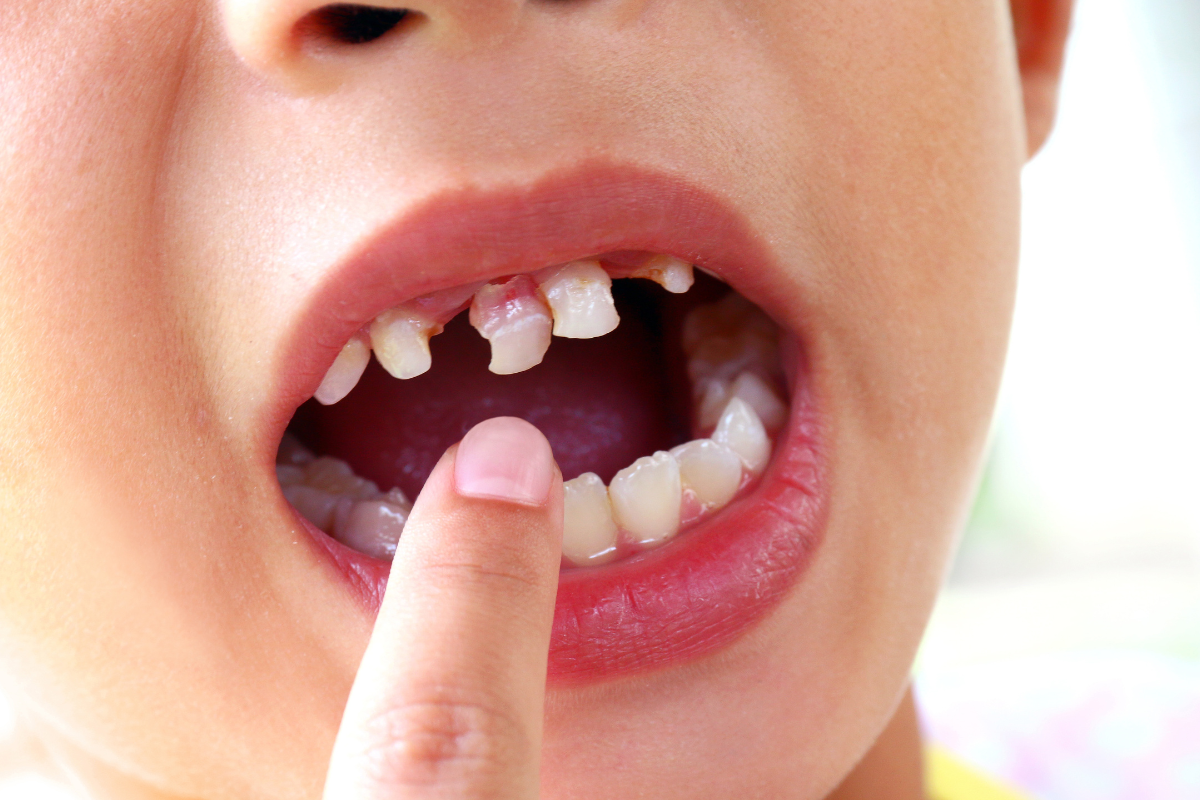
Toothache Troubles in Kids: Addressing the Pain and Preventing Further Issues

toothache troubles in kids

Toothaches in kids are never easy to deal with—for parents or little ones. They often strike without warning, causing discomfort, sleepless nights, and plenty of worry. In Clearwater, FL, where sunny days, beach outings, and sweet local treats are part of everyday life, children’s oral health can face extra challenges. From sugary snacks to playground accidents, tooth pain is something no parent wants their child to experience.

Knowing how to respond quickly—and when to seek a kids emergency dentist—can make all the difference. Here’s what Clearwater parents need to know about toothaches, dental emergencies for kids, and preventive care through trusted children’s dentistry.

Common Causes of Toothaches in Kids

Toothaches in kids can stem from various causes, but local factors in Clearwater, FL, can make some issues more prevalent. Here are the most common causes of toothaches in kids, particularly in the Clearwater area:

Tooth Decay

The warm, sunny climate in this city encourages outdoor activities. However, it also leads to an increased intake of sugary drinks and snacks, especially during beach days or park outings. Ice creams, sodas, and sugary snacks are easily accessible here. Thus, when kids don’t brush their teeth afterward, it increases the risk of cavities and tooth decay. The high sugar intake, combined with the Florida heat, makes it crucial for parents to ensure their kids maintain consistent brushing and flossing habits.

Gum Disease

Clearwater’s humid environment can cause bacteria to thrive in the mouth, increasing the likelihood of plaque buildup. If kids don’t follow a good dental routine, this plaque can lead to gum disease. This is a common cause of toothaches. It’s important to encourage regular brushing and flossing, especially during the humid months when bacteria are more likely to grow in the mouth.

Tooth Sensitivity

With the hot weather in this city on the west coast of the Florida peninsula, kids often enjoy cold treats like popsicles and ice cream to cool off. However, if they have sensitive teeth, these cold foods can trigger pain. Exposure to the sun can also cause dehydration, which can dry out the mouth and lead to discomfort in sensitive teeth.

Teething

In this area of Pinellas County, young children may face additional discomfort when they are outside enjoying the sunny weather. Heat and humidity can make teething more difficult to manage, leading to increased fussiness and irritability. Therefore, keeping your child hydrated and providing cool teething toys can help relieve some discomfort.

Injury or Trauma

Clearwater kids love outdoor sports, swimming, biking, and beach games. With active play comes the risk of falls or collisions. A chipped, cracked, or knocked-out tooth is considered a dental emergency for kids and should be evaluated as soon as possible by a professional.

How to Address Toothaches Quickly

When your child experiences a toothache, it’s important to address it as soon as possible to relieve pain and prevent further damage. Here are some steps parents can take:

Pain Relief

Over-the-counter pain relief medications can ease the pain temporarily. Make sure to follow the proper dosage instructions according to your child’s age and weight.

Cold Compress

Applying a cold compress to the outside of your child’s cheek can reduce swelling and provide some pain relief. You can wrap a cold pack in a towel or cloth and gently press it to the affected area.

Rinsing with Saltwater

Saltwater can help clean the area and reduce inflammation. Have your child swish warm saltwater in their mouth for about 30 seconds.

Avoid Sugary and Acidic Foods

Until the toothache is addressed, avoid giving your child sugary or acidic foods and drinks that can make the pain worse. Clearwater’s tropical fruits, while delicious, may irritate sensitive teeth during this time.

Dental Consultation

If the pain persists for more than a day or worsens, it’s crucial to visit a children’s dentist. A professional can identify the cause of the pain and provide the appropriate treatment. Whether it’s a cavity, gum infection, or something else, early intervention can prevent further complications.

How to Prevent Future Toothaches?

Preventing toothaches in kids requires a proactive approach to oral care. Below are some practical tips for keeping your child’s teeth healthy and pain-free:

Establish a Consistent Oral Care Routine

Make sure your child brushes their teeth at least twice a day, after breakfast and before bedtime. Use fluoride toothpaste to protect against cavities. Supervise your child’s brushing until they are around 8 years old to ensure they’re doing it properly.

Floss Regularly

Don’t skip the floss! Brushing alone can miss areas between teeth, where cavities and gum disease can start. Flossing daily will help keep these areas clean and prevent buildup.

Limit Sugary Snacks and Drinks

Living in this coastal city on Florida’s Gulf Coast means lots of opportunities for snacks like ice cream and sugary beverages. While these can be tempting, try to limit their consumption to reduce the risk of cavities. Make water your child’s go-to drink throughout the day.

Protect Teeth During Sports

If your child plays sports, especially those that involve physical contact, make sure they wear a mouthguard. Clearwater is home to many active families, and mouthguards can prevent injuries to the teeth and gums during recreational activities.

Visit the Dentist Regularly

Regular dental checkups are essential for preventing and detecting dental issues early. Your child should visit the dentist every six months to ensure their teeth are growing properly and to prevent future toothaches.

Consultation and Care at No Sugar Bugs Club

If your child is dealing with a toothache, don’t wait for the problem to get worse. Schedule a consultation with a professional dentist at No Sugar Bugs Club. Our team is dedicated to providing trusted dental care for kids, ensuring that they feel comfortable and relaxed during their visit. Our goal is to help prevent tooth pain before it even starts!

Local Factors That Can Put Kids’ Oral Health at Risk

While Clearwater offers a wonderful environment for families, certain local factors can contribute to oral health issues for kids. The warm weather encourages outdoor activities, but it can also lead to more sugary drinks and snacks, especially when kids are spending time at the beach or parks. Without proper brushing and flossing, this can contribute to tooth decay.

Additionally, Clearwater’s humid climate can lead to an increased risk of plaque buildup, especially if kids are not practicing good oral hygiene. It’s important to stay diligent with your dental care routines, particularly when the weather encourages outdoor eating and drinking.

Early Prevention is Crucial for a Lifelong Healthy Smile

Toothaches in kids can be distressing, but with proper care and attention to oral hygiene, they can be prevented. Clearwater’s climate and active lifestyle present unique challenges, but by maintaining healthy habits and staying proactive, you can ensure your child’s dental health remains strong and pain-free.

If your child is experiencing a toothache, don’t wait! Contact our proficient team at No Sugar Bugs Club to schedule a consultation and get your child the relief they need. So why wait? Book your appointment today!

Frequently Asked Questions

How do I know if my child’s toothache is serious?

If your child’s toothache lasts more than a day, is accompanied by swelling, fever, or trouble swallowing, it’s time to see a dentist. These could be signs of an infection or a more serious dental issue requiring immediate attention.

What should I do if my child knocks out a tooth?

If your child knocks out a tooth, try to find it and place it in a glass of milk or saline solution. Contact an emergency dentist immediately. They may be able to replant the tooth if you act quickly.

Can toothaches go away on their own?

While some mild toothaches may subside temporarily, it’s essential to address the underlying cause. If the pain persists or worsens, seeking dental care is crucial to prevent further complications like infections or more severe dental problems.

How frequently should my child go to the dentist for checkups?

Children should have a dental checkup every six months for routine examinations. Regular visits help identify potential issues early, ensuring your child’s teeth stay healthy and any problems, like cavities or gum disease, are treated before they worsen.

What are the indicators that my child might have a cavity?

Common signs of a cavity in kids include tooth pain, sensitivity to hot or cold foods, and visible holes or dark spots on their teeth. If you notice any of these signs, it’s best to schedule a dental appointment promptly.

Can I treat my child’s toothache at home?

Home remedies such as applying a cold compress or using over-the-counter pain relievers may offer temporary relief for a toothache. However, it’s important to visit a dentist to treat the underlying cause of the pain and avoid future complications.

What should I do if my child’s toothache happens at night?

If your child experiences a toothache at night, give them a pain reliever like acetaminophen, and apply a cold compress to reduce swelling. If the pain persists or worsens, contact your dentist the next day to schedule a visit.

Top 10 Causes of Tooth Decay in Children and How to Prevent Them

pediatric dentist near trinity

Dental problems can start earlier than many parents expect. In fact, tooth decay is one of the most common childhood health issues, and it can sometimes turn into a pediatric dental emergency near Trinity if left untreated. As a parent, understanding why cavities happen and how to prevent them can protect your child’s smile and overall well-being.

In this guide, we’ll break down the top 10 causes of tooth decay in children, explain how each one affects oral health, and share practical prevention tips you can use every day. Whether your child is a toddler or school-aged, these insights can help you stay one step ahead.

Why Tooth Decay in Children Is a Serious Concern

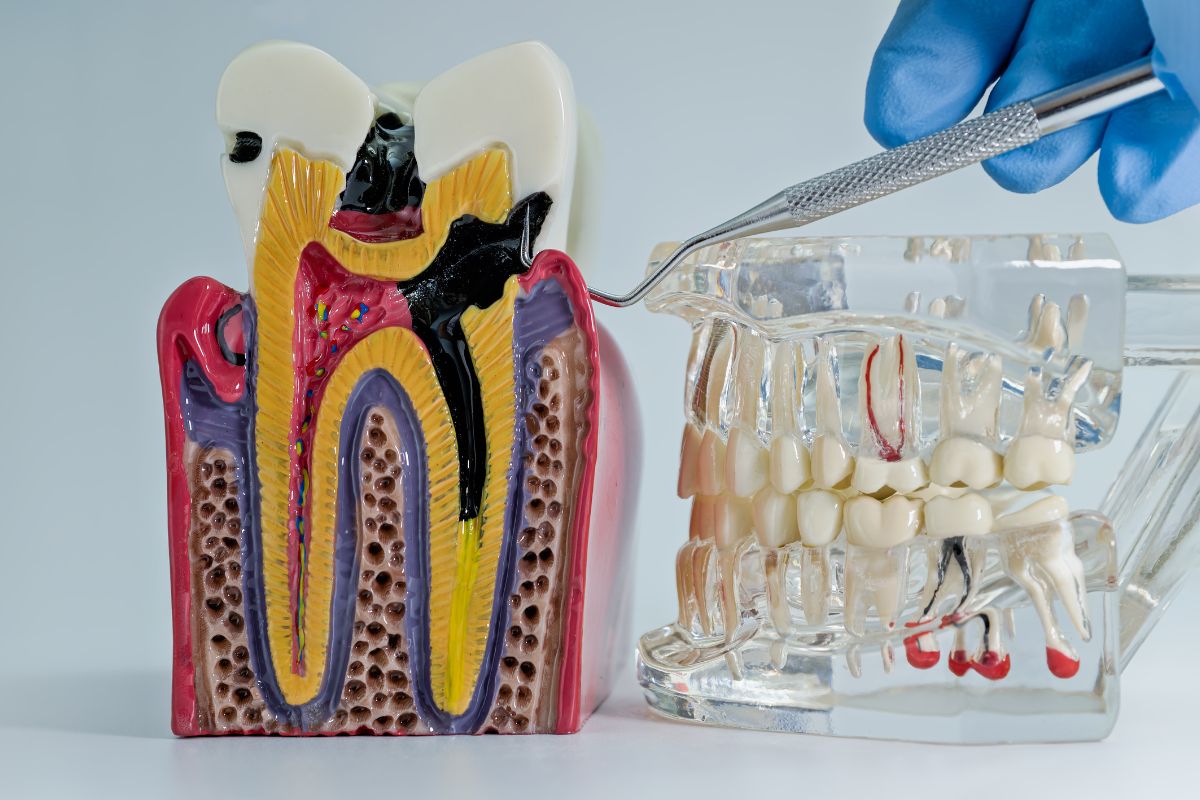
Baby teeth may be temporary, but they play a permanent role in your child’s development. Healthy primary teeth help children chew properly, speak clearly, and guide adult teeth into place. When decay develops, it can cause pain, infections, and even lead to urgent dental visits.

That’s why prevention and early care from a trusted pediatric dentist near Trinity makes such a difference.

Top 10 Causes of Tooth Decay in Children

1. Excessive Sugar Consumption

Sugary snacks and drinks feed harmful bacteria in the mouth. These bacteria produce acids that attack tooth enamel.

Prevention tips:

  • Limit candy, cookies, and sugary cereals
  • Offer water instead of juice or soda
  • Choose healthier snacks like fruit, cheese, or yogurt

2. Poor Brushing Habits

Children often rush brushing or miss hard-to-reach areas, allowing plaque to build up.

Prevention tips:

  • Supervise brushing until age 7–8
  • Brush twice daily with fluoride toothpaste
  • Use a soft-bristled, child-sized toothbrush

3. Skipping Flossing

Food easily gets trapped between teeth, especially molars. Without flossing, cavities can form between teeth.

Prevention tips:

  • Start flossing once teeth touch
  • Make flossing part of your nightly routine
  • Use floss picks for younger kids

4. Frequent Snacking Throughout the Day

Constant snacking gives bacteria more chances to produce acid.

Prevention tips:

  • Set regular meal and snack times
  • Avoid grazing throughout the day
  • Rinse with water after snacks

5. Bedtime Bottles or Sippy Cups

Milk, juice, or formula left on teeth overnight can cause severe decay.

Prevention tips:

  • Avoid sugary drinks at bedtime
  • Offer only water after brushing
  • Transition away from bottles early

6. Lack of Fluoride

Fluoride strengthens enamel and protects teeth from decay.

Prevention tips:

  • Use fluoride toothpaste
  • Ask about fluoride treatments
  • Drink fluoridated tap water when available

7. Poor Diet Choices

Sticky foods like gummies and dried fruit cling to teeth longer.

Prevention tips:

  • Reduce sticky snacks
  • Encourage crunchy fruits and vegetables
  • Rinse your mouth after eating

8. Genetics and Weak Enamel

Some children naturally have weaker enamel, which increases cavity risk.

Prevention tips:

  • Schedule regular dental checkups
  • Use dental sealants when recommended
  • Maintain consistent oral hygiene

9. Irregular Dental Visits

Skipping dental visits allows small problems to grow unnoticed.

Just after this point, it’s important to highlight that working with a trusted pediatric dentist, especially one familiar with children’s needs, helps detect early signs of decay before they worsen.

Prevention tips:

  • Schedule dental visits every six months
  • Address small cavities early
  • Ask about preventive treatments

10. Delaying Treatment of Small Cavities

Minor cavities can quickly turn into infections or pain if ignored, sometimes leading to a pediatric dental emergency near Trinity.

Prevention tips:

  • Act quickly when issues appear
  • Follow treatment recommendations
  • Maintain follow-up care

When Tooth Decay Becomes a Dental Emergency

While prevention is key, some situations require immediate care. Severe tooth pain, swelling, broken teeth, or infections require urgent attention. A reliable pediatric dentist near Trinity can handle these issues quickly and safely, helping your child feel comfortable again.

How Parents in Trinity Can Protect Their Child’s Smile

Parents play the biggest role in preventing cavities. Small daily habits can make a lifelong difference.

Simple steps include:

  • Brushing and flossing together
  • Encouraging healthy eating
  • Scheduling routine dental visits
  • Teaching kids why oral health matters

At No Sugar Bugs Club Children’s Dentistry, we focus on gentle, preventive, and child-friendly care designed to keep little smiles healthy.

Conclusion: Prevention Today Means Fewer Problems Tomorrow

Tooth decay in children doesn’t happen overnight. It develops due to habits, diet, and lack of routine care. By understanding the top causes and taking early action, you can help your child avoid pain, infections, and unexpected dental emergencies.

If you’re concerned about your child’s oral health or want expert guidance, visit our dental office at No Sugar Bugs Club Children’s Dentistry. Our caring team is here to support your child’s smile every step of the way. Schedule an appointment today and give your child the healthy start they deserve.

Frequently Asked Questions (FAQs)

1. What is the most common cause of tooth decay in children?

Excessive sugar intake combined with poor brushing habits is the most common cause. Bacteria thrive on sugar and damage tooth enamel over time.

2. Can baby teeth really get cavities?

Yes, baby teeth can develop cavities just like adult teeth. Untreated decay in baby teeth can affect permanent teeth and overall oral health.

3. How often should my child visit a pediatric dentist?

Children should visit a dentist every six months. Regular checkups help catch issues early and prevent emergencies.

4. When should my child start brushing and flossing?

Brushing should begin as soon as the first tooth appears. Flossing should start when teeth begin touching.

5. Are dental sealants safe for children?

Yes, dental sealants are safe and effective. They protect molars from decay by sealing deep grooves where food gets trapped.

6. When should I seek emergency dental care for my child?

Seek immediate care if your child has severe pain, swelling, trauma, or signs of infection. Prompt treatment prevents complications.

How to Care for Your Child After a Tooth Extraction

tooth extraction (1)

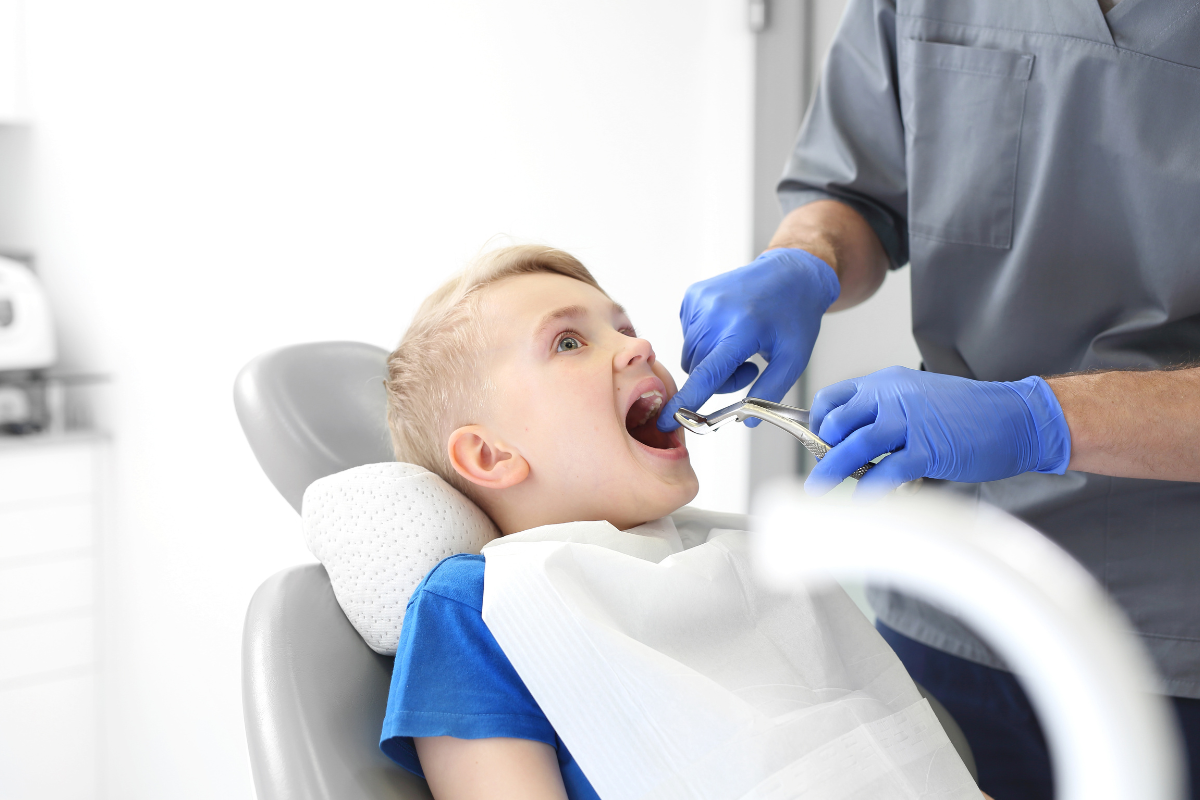
Watching your child undergo a tooth extraction can feel stressful for any parent. Even when the procedure goes smoothly, questions often follow: How much pain is normal? What should my child eat? When should I call the dentist? These concerns are especially common for families navigating Tooth Extraction Clearwater services for the first time.

The good news is that with the right aftercare and professional support, most children recover quickly and comfortably. This guide explains exactly how to care for your child after a tooth extraction, while highlighting compassionate pediatric dental care available right here in Clearwater, Florida.

Compassionate Pediatric Care You Can Trust

Shortly after an extraction, having a trusted dental team made all the difference. At No Sugar Bugs Club Children’s Dentistry, families receive guidance that is clear, calm, and centered on their child’s comfort.

Dr. “Chris” Chuong is a native of St. Petersburg, Florida. He earned his Bachelor of Science degree Summa Cum Laude from Emory University and graduated at the top of his class with High Honors from the University of Florida College of Dentistry. Driven by a passion for children’s care, Dr. Chris completed his pediatric dentistry residency and certification at the University of Florida/Shands Hospital. He also achieved board certification and is a Diplomate of the American Board of Pediatric Dentistry.

Dr. Chris is committed to treating every child with the same care and compassion he would give his own. Schedule an appointment today.

Why Children May Need a Tooth Extraction

A tooth extraction may sound scary, but it’s sometimes the healthiest choice for a growing smile. Common reasons include:

  • Severe tooth decay or infection
  • Overcrowding before orthodontic treatment
  • Baby teeth that don’t fall out on their own
  • Dental trauma

An experienced pediatric dentist carefully evaluates each situation to ensure extraction supports long-term oral health.

What to Expect Right After the Extraction

Immediately after the procedure, your child may feel numb, tired, or slightly uncomfortable. These reactions are normal and temporary.

The First Few Hours Matter Most

  • Keep gentle pressure on the gauze to control bleeding
  • Encourage rest and quiet activities
  • Avoid rinsing or spitting for the first 24 hours

Following these steps helps a protective blood clot form, which is essential for healing.

Step-by-Step Healing Tips for Parents

Manage Discomfort Safely

Mild soreness is expected after a Tooth Extraction Clearwater procedure.

Helpful tips include:

  • Use dentist-approved pain medication only
  • Apply a cold compress to reduce swelling
  • Avoid aspirin unless directed by your dentist

Pain usually improves within a day or two.

Choose the Right Foods

What your child eats affects healing more than many parents realize.

Best foods during recovery:

  • Yogurt, applesauce, mashed potatoes
  • Smoothies (no straws)
  • Scrambled eggs and soft pasta

Avoid crunchy, sticky, or spicy foods for several days.

Keep the Mouth Clean—Gently

Good hygiene prevents infection, but it must be gentle.

  • Brush carefully, avoiding the extraction site
  • Resume normal brushing the next day
  • Skip vigorous rinsing

A child dentist Clearwater families trust will provide personalized hygiene instructions.

Watch for Normal vs. Concerning Symptoms

Most children heal quickly, but parents should stay alert.

Normal signs:

  • Mild swelling
  • Slight bleeding on day one
  • Temporary sensitivity

Call your dentist if you notice:

  • Fever
  • Severe pain after 48 hours
  • Heavy bleeding

Prompt care helps prevent complications and supports faster healing.

Clearwater’s Cliamate and Recovery Considerations

Clearwater’s warm, humid climate means children can dehydrate quickly. Encourage water intake after numbness wears off. Staying hydrated supports healing and helps your child feel better overall.

Outdoor play is part of daily life here, but rest is essential for the first 24 hours. Quiet indoor activities allow proper healing before returning to normal routines.

Pediatric Dental Emergencies: When to Act Fast

If your child experiences unexpected pain, swelling, or trauma after an extraction, don’t wait. A pediatric dental emergency near Clearwater should be evaluated promptly to protect your child’s comfort and oral health.

Having an established dental home makes emergency care faster and less stressful.

Why Families Choose No Sugar Bugs Club Children’s Dentistry

Parents looking for a trusted pediatric dentist appreciate a practice that focuses entirely on children’s needs. At No Sugar Bugs Club Children’s Dentistry, the team emphasizes education, prevention, and gentle care at every visit.

Their child-friendly environment helps reduce anxiety and builds positive dental experiences from an early age.

Convenient Pediatric Dental Care in Clearwater

Families benefit from having specialized pediatric care close to home. Visiting a familiar dental office after a Tooth Extraction Clearwater appointment helps children feel safe and reassured during recovery.

Booking follow-up care is simple and convenient through the practice’s website.

Helping Your Child Heal with Confidence

Caring for your child after a tooth extraction doesn’t have to feel overwhelming. With proper guidance, supportive routines, and professional care, most children return to normal activities quickly.

A skilled pediatric dentist will not only perform the procedure safely but also supports your family through every stage of healing.

Schedule Your Child’s Dental Visit Today

Whether your child needs follow-up care, pain management advice, or emergency support, the team at No Sugar Bugs Club Children’s Dentistry is here to help. Schedule your child’s appointment today at

Frequently Asked Questions (FAQs)

How long does it take for a child to heal after a tooth extraction?

Most children feel comfortable within 24–48 hours. Full healing of the extraction site usually takes about one to two weeks, depending on the child’s age and health.

Is bleeding normal after a tooth extraction?

Yes, mild bleeding is common on the first day. If bleeding continues heavily or does not stop, contact your pediatric dentist immediately.

Can my child brush their teeth after an extraction?

Brushing is safe but should avoid the extraction area on the first day. Gentle brushing can resume around the site the following day to maintain oral hygiene.

What foods should my child avoid after an extraction?

Avoid crunchy, sticky, hard, or spicy foods until the area heals. Soft foods and liquids are recommended during the initial recovery period.

When can my child return to school or activities?

Most children can return to school the next day. Strenuous activity should be limited for at least 24 hours to prevent complications.

How do I reduce swelling after my child’s extraction?

Apply a cold compress to the outside of the cheek for short intervals on the first day. This helps minimize swelling and discomfort effectively.

When should I contact a pediatric dentist after extraction?

Call your pediatric dentist if your child experiences severe pain, persistent swelling, fever, or uncontrolled bleeding. Early evaluation can help prevent complications.

Where can I find pediatric dental emergency care near Clearwater?

No Sugar Bugs Club Children’s Dentistry provides trusted pediatric dental care and emergency guidance for families in Clearwater, Florida. Their team can address urgent concerns promptly.

How to Handle a Dental Emergency for Kids Before Visiting Your Dentist

child emergency dentist

Dental emergencies can happen when you least expect them, and they’re even more stressful when they involve children. With Trinity Memorial Park and Fox Hollow Park being popular spots for kids to run, play, and enjoy outdoor sports, it’s no surprise that dental injuries can occur. Knowing how to handle these situations before heading to your child’s dentist can make all the difference. Whether it’s a knocked-out tooth or a swollen gum, understanding how to manage these situations before you reach the dentist is crucial. Learn what to do during a dental emergency for kids in Trinity before you visit the dentist.

What Is a Pediatric Dental Emergency?

A pediatric dental emergency refers to any dental issue that requires immediate attention to avoid further damage or discomfort. These emergencies often occur after an injury, fall, or trauma, but they can also result from infections or sudden tooth pain.

Dental emergencies for kids can include a range of conditions from knocked-out teeth to broken or chipped teeth, swollen gums, or excessive bleeding. Each of these situations demands quick action to prevent additional complications.

Common Pediatric Dental Emergencies

Many kids are active in sports through programs at Trinity Youth Sports or the High School. While this fosters great teamwork and physical development, it also increases the chance of dental injuries during games or practices. They are more prone to dental injuries due to their playful nature, and certain emergencies are more common than others.

It’s best to seek a pediatric dentist Trinity emergency consultation for professional guidance. However, first learn what is considered a dental crisis. Some of the most common dental emergencies in children include:

  • Knocked-Out Tooth: Accidents such as falls, sports injuries, or rough play can cause a tooth to get knocked out.
  • Broken or Chipped Teeth: A sudden fall or biting down on something hard can lead to cracks or breaks in a child’s teeth.
  • Toothaches: Tooth pain can sometimes be a sign of infection, an abscess, or a cavity that needs immediate attention.
  • Swollen Gums: Infection or irritation can cause swelling in the gums, leading to discomfort.
  • Bleeding After Dental Injury: Injuries to the mouth often result in bleeding, especially after a knocked-out tooth or injury to the soft tissues of the gums.

Steps to Handle a Pediatric Dental Emergency at Home

When families gather at local amenities like Trinity Commons or Town Center, it’s easy for accidents to happen. Having a plan in place for a pediatric dental emergency can help you act quickly, whether you’re out shopping or having a meal with the family. Knowing how to manage dental trauma at home until you can visit a dentist is essential for minimizing damage and pain. Here are some simple, effective steps to take when handling a dental emergency:

If Your Child’s Tooth Is Knocked Out

What to do:

  • Find the tooth and handle it by the crown (not the root).
  • Gently rinse the tooth with water if it’s dirty, but don’t scrub it.
  • If possible, place the tooth back into the socket, holding it in place gently by biting down on a clean cloth. If that’s not possible, place the tooth in a cup of milk to keep it moist.
  • Seek urgent dental care for your child immediately, as a prompt visit to the dentist increases the chances of saving the tooth.

What not to do:

  • Don’t touch the root of the tooth.
  • Don’t store the tooth in water, as it can damage the delicate root cells.

For Broken or Chipped Teeth

What to do:

  • For kids dental injuries Trinity, rinse the mouth with warm water to clean the area.
  • Apply a cold compress to the cheek near the injured area to reduce swelling and numb the pain.
  • If you can find the broken pieces of the tooth, bring them to the dentist in case they can be reattached.

What not to do:

  • Don’t attempt to use glue or other adhesives to fix the tooth.
  • Avoid using pain relievers directly on the injured tooth, as this can irritate the gums.

Managing Tooth Pain in Children

What to do:

  • Clean the area with warm water to remove any food debris or plaque.
  • Use a cold compress on the outside of the cheek to numb the pain.
  • Give your child an over-the-counter pain reliever appropriate for their age during a pediatric oral emergency.
  • Book an appointment with your pediatric dentist for emergency care as soon as possible for a thorough checkup.

What not to do:

  • Don’t apply heat to the painful area.
  • Avoid giving your child aspirin, as it can increase the risk of bleeding.

Handling Swollen Gums

What to do:

  • Rinse your mouth with warm salt water to help reduce swelling.
  • Apply a cold compress to the outside of the cheek.
  • Keep your child on a soft-food diet to avoid further irritation.

What not to do:

  • Don’t use hot compresses, as they can increase swelling.
  • Don’t let your child chew on hard foods that could worsen the swelling.

Stopping Bleeding After a Dental Injury

What to do:

  • Apply gentle pressure with a clean cloth or gauze to the affected area to stop the bleeding.
  • Keep pressure on the injury until the bleeding stops.
  • If the bleeding doesn’t stop, seek emergency child dentist Trinity care immediately.
  • This is the best way to stop bleeding from a child’s dental injury.

What not to do:

  • Don’t remove the cloth or gauze too quickly, as it could disrupt the clot.
  • Avoid giving your child anything to eat or drink immediately after the injury, as it may dislodge the clot.

When to Visit Your Pediatric Dentist After a Dental Accident

It is essential to visit your child’s dentist immediately after any dental emergency. Whether it’s a minor issue like a small chip or a more difficult situation like a knocked-out tooth in children, prompt care is key. Here are some general guidelines for when to see a professional dental trauma management provider after a dental injury.

  • If a tooth is knocked out or severely damaged.
  • If your child is experiencing significant pain that can’t be managed with over-the-counter painkillers.
  • If there’s ongoing bleeding that doesn’t stop after 15 minutes of pressure.
  • If the injury is affecting their ability to eat or drink.

Tips for Preventing Dental Emergencies

When a dental crisis happens to their kids, many parents need urgent dental care tips for children in Trinity. While accidents are inevitable, there are steps you can take to reduce the likelihood of dental injuries in children:

  • Encourage your child to wear a mouthguard while playing sports.
  • Teach them to be cautious during rough play and to avoid running or jumping with objects in their mouths.
  • Avoid hard foods that could potentially break their teeth.
  • Schedule regular check-ups with your pediatric dentist to monitor oral health.

Frequently Asked Questions (FAQ)

What to do if my child has a dental emergency in Trinity?

For a pediatric dental emergency, it’s crucial to stay calm and assess the situation. Whether it’s a knocked-out tooth or swollen gums in children, immediate steps like rinsing the mouth with warm water and applying a cold compress can help before heading to the dentist.

 How to handle a knocked-out tooth in a child before seeing a dentist?

If your child knocks out a tooth, gently rinse it and try to place it back into the socket or store it in milk. Contact an emergency child dentist immediately to increase the chances of saving the tooth.

What steps to manage a pediatric dental emergency at home?

Managing a pediatric dental emergency involves cleaning the area with warm water, applying cold compresses, and using over-the-counter pain relievers for pain management. Always seek a pediatric dentist’s consultation as soon as possible.

When to visit a child dentist after a dental accident?

Visit a pediatric dentist immediately if the injury involves a knocked-out tooth, significant bleeding, or persistent pain. Delaying treatment can increase the risk of complications.

Protect Your Kid’s Oral Health with Us

Dental emergencies for kids are stressful. However, with quick action and the right knowledge, you can help your child until you can get them to a professional. If your child experiences a pediatric dental emergency in Trinity, don’t hesitate to contact your trusted pediatric dentist for urgent care.

Need immediate assistance? Schedule a consultation with No Sugar Bugs Club Children’s Dentistry today and ensure your child’s dental health is in expert hands!

Sedation Dentistry and Children: What Trinity Parents Should Know

children sedation dentistry

As a parent in the Trinity area, you want the best for your child’s dental health. However, many children experience anxiety about visiting the dentist. With the upcoming festive season, kids are indulging in sugary treats, which can impact their dental health. Parents are eager to schedule a dental visit, but the fear of the dentist can make this experience stressful for children.
At No Sugar Bugs Club Children’s Dentistry, we understand these concerns and offer sedation dentistry to help calm kids during their dental visits, making it easier for them to receive the care they need. We strive to provide anxiety-free dental visits for kids, ensuring that your child feels relaxed and comfortable throughout the appointment. If you’re looking for children dentistry in Trinity, we’re here to help make your child’s visit as stress-free as possible. Schedule a consultation today and let us help your child have a positive dental experience.

Meet Our Pediatric Dentist in Trinity

At No Sugar Bugs Club Children’s Dentistry, we pride ourselves on providing gentle, compassionate care for kids. Our team, led by a caring and skilled pediatric dentist in Trinity, Dr. Chris, is dedicated to making every dental visit a positive experience for your child.
Dr. Chris, a native of St. Petersburg, Florida, graduated Summa Cum Laude from Emory University and earned his doctorate with High Honors from the University of Florida College of Dentistry. Passionate about working with children, he completed his pediatric dentistry residency at UF/Shands Hospital and is a Diplomate of the American Board of Pediatric Dentistry. He is dedicated to providing exceptional care, treating every child with the same compassion and attention he would give his own. His commitment is to ensure the best possible dental experience for your child.
Whether it’s your child’s first visit or a routine checkup, our child dentist for nervous patients will make sure your child feels safe and comfortable throughout the visit. Visit our website to meet our team and learn more about our approach to pediatric dental care.

How Sedation Dentistry Helps Calm Kids During Dental Visits

Children’s dental anxiety can prevent them from receiving the care they need, especially during stressful times like the holidays, when increased sugar intake can impact their dental health. Sedation dentistry offers several options to help calm nervous children, making dental visits more comfortable and less intimidating. At No Sugar Bugs Club Children’s Dentistry, we offer three effective sedation options: oral sedation, nitrous oxide, and IV sedation. Each method is tailored to your child’s unique needs, ensuring a stress-free dental experience

Oral Sedation

Oral sedation involves giving your child a calming medication before their dental appointment. This medication helps reduce anxiety and allows your child to feel more relaxed. Typically used for children who experience mild to moderate anxiety, oral sedation makes the visit much more manageable for kids who might otherwise be nervous about dental procedures. Since the medication is taken orally, it’s a simple and non-invasive option that allows for easy monitoring. Oral sedation doesn’t put children to sleep, but it helps them feel calm and comfortable during their visit.

Nitrous Oxide (Laughing Gas)

Nitrous oxide, commonly known as laughing gas, is another safe and effective sedative option that is often used for children. This sedative is inhaled through a mask and helps kids relax without making them lose consciousness. Nitrous oxide is particularly helpful for children who need a little extra reassurance during their dental visit. It’s fast-acting and wears off quickly after the mask is removed, allowing your child to return to their normal activities almost immediately. This method is ideal for children who may be a bit nervous but don’t need full sedation. Nitrous oxide provides a calming effect, making the dental experience more comfortable.

IV Sedation

For more complex procedures or children who experience significant anxiety, IV sedation is an option that provides deeper relaxation. IV sedation is administered through an intravenous line, allowing for a stronger sedative effect. This method ensures that your child remains calm and relaxed throughout the procedure. It is particularly useful for children who need extensive dental work or have a strong fear of the dentist. With IV sedation, your child can remain comfortable while receiving treatment, and the effects wear off gradually after the procedure. This option ensures pain-free dental treatment for children and allows them to undergo necessary procedures without discomfort. Our team carefully monitors your child’s vital signs throughout treatment, ensuring their safety and comfort at all times.

Choosing the Right Sedation Option

Each sedation method is selected based on your child’s specific needs, the type of procedure they are undergoing, and their level of anxiety. At No Sugar Bugs Club Children’s Dentistry, we prioritize your child’s safety and comfort. We discuss all sedation options with you beforehand, ensuring that you understand the process and feel confident in the choice we make together. Our team is trained to provide sedation in a safe, controlled environment, making sure your child is well-cared for during their visit.
Sedation dentistry offers gentle care for kids who experience dental anxiety. This allows them to receive the necessary care without the stress and fear that often accompany dental visits. By choosing the right sedation option, we can ensure that your child’s dental experience is calm, comfortable, and positive. If you have any questions about sedation dentistry or would like to schedule an appointment, feel free to contact us. We are here to help make your child’s dental visit as stress-free as possible.

Patient Reviews: Hear from Other Parents

We take pride in making dental visits a pleasant experience for both children and their parents. But don’t just take our word for it! Many families in the Trinity area have shared their positive experiences with our team. Our commitment to compassionate care is reflected in the feedback from our patients.

“The clinic is clean and beautiful decor for children. Front desk lady very polite and well informed. I did not wait much to go inside. Did not need to fill out a package of paper that I think is good for parents. I loved my doctor and dental assistant answer all my questions and try to do the dental clinic without upset my baby much. Accommodate to my baby needs. Thank you was a nice appt. I recommend it 100% to all parents” – Yaimily Garcia

For more reviews from other parents, click here!

Why Sedation Dentistry is Essential for Kids’ Dental Health

Sedation dentistry plays a crucial role in helping kids stay calm during dental procedures. For children who fear dental visits, sedation offers a way to provide necessary care without the stress. Whether it’s a routine cleaning or more extensive treatment, sedation helps kids relax and receive the dental care they need. The entire team at No Sugar Bugs Club Children’s Dentistry is dedicated to making each visit comfortable and ensuring that every child leaves with a smile.
If your child struggles with anxiety or fear about visiting the dentist, sedation dentistry can make all the difference. We’re here to help your child get the best care possible with Sedation Dentistry for Children at Trinity.

Frequently Asked Questions

How can sedation dentistry help anxious kids at the dentist?

Sedation dentistry helps calm children, reduce anxiety and fear, and allows them to receive necessary dental care without stress.

What’s the best pediatric sedation dentist for nervous children?

A pediatric dentist trained in sedation dentistry, like the ones at No Sugar Bugs Club Children’s Dentistry, specializes in helping kids relax during dental visits with gentle sedation techniques.

What are some safe ways to calm kids during dental visits?

Using methods like nitrous oxide, oral sedation, or IV sedation can help calm kids during dental procedures, ensuring they feel safe and relaxed.

What are the benefits of sedation dentistry for children with dental fear?

Sedation dentistry helps children overcome their fear, making it easier for them to undergo necessary treatments while ensuring a positive, stress-free experience.

How should I prepare my child for sedation dental treatment?

Before the sedation appointment, explain to your child that they will feel calm and relaxed. Follow the dentist’s instructions, such as fasting before the appointment if necessary.

What should parents know about sedation dentistry for kids?

Sedation dentistry is safe when administered by a trained pediatric dentist. It helps children feel relaxed during their dental visits, allowing them to receive the care they need without fear.

What are sedation dentistry tips for stress-free dental appointments?

To ensure a smooth visit, be honest with your child about the sedation process, stay calm, and trust the experienced team from our dental office to handle the rest.

How Pediatric Dentists Make Root Canals Comfortable

sedation kid

As a parent in the Clearwater and Trinity areas, you want your child to have a healthy, happy smile. However, when it comes to dental treatments like pediatric root canals, many kids feel anxious.
If your child needs an RCT, the idea of it can cause stress and fear. At No Sugar Bugs Club Children’s Dentistry, we understand these concerns and offer sedation dentistry for kids to help make the experience comfortable and stress-free. Sedation helps ease anxiety, ensuring your child feels calm throughout their visit. If you’re looking for a pediatric root canal in the Trinity area or anywhere in Florida, we are here to make your child’s visit as smooth as possible. Schedule a consultation today to learn how we can help your child receive the dental care they need.

Understanding Why Kids Need Root Canals and How Sedation Helps

root canal

Children can experience tooth decay or trauma that leads to infections in the pulp of their teeth, requiring a root canal procedure. If left untreated, these infections can cause severe pain and discomfort, and even lead to further dental complications. Pediatric dentists prefer root canals for children because they save the tooth, preserving its function and preventing the need for an extraction. However, the thought of an RCT can cause fear, especially among children unfamiliar with the procedure.
Many children develop fear about dental procedures, including RCTs, because they associate them with pain. While root canal procedures are often thought of as painful, they are designed to eliminate pain by removing the infected tissue. Discomfort is managed with numbing agents, and sedation dentistry helps children relax during treatment. We use sedation techniques to help calm kids during this essential treatment.

We offer three types of sedation: oral sedation, nitrous oxide (laughing gas), and IV sedation. Each method is chosen based on the child’s anxiety level, the complexity of the procedure, and their comfort.

  • Oral Sedation: This method involves administering a calming medication to the child before the procedure. It helps reduce anxiety and allows the child to feel relaxed throughout the treatment. Oral sedation is ideal for children with mild to moderate dental anxiety.
  • Nitrous Oxide (Laughing Gas): Nitrous oxide is a safe and effective sedative that is inhaled through a mask. It relaxes the child and helps them remain calm without making them fall asleep. Nitrous oxide is a great choice for children who need a little extra reassurance but are still aware of their surroundings.
  • IV Sedation: For more complex or particularly anxiety-inducing procedures, IV sedation is an option. Administered through an intravenous line, IV sedation ensures deep relaxation and helps children stay comfortable during lengthy or complicated treatments. This is particularly beneficial for children who need significant dental work, such as an RCT, or who have high levels of anxiety.
    Sedation dentistry for kids is crucial to ensuring they receive necessary dental treatments, such as RCTs, without added stress or fear. This allows the child to remain calm, ensuring they receive quality dental care while also protecting their emotional well-being.

Sedation dentistry for kids is crucial to ensuring they receive necessary dental treatments, such as RCTs, without added stress or fear. It allows the child to remain calm, ensuring they receive quality dental care while also protecting their emotional well-being.

How Sedation Dentistry Helps with Kids’ Dental Comfort

At No Sugar Bugs Club Children’s Dentistry, we understand the importance of managing tooth pain in kids during dental visits. Sedation not only alleviates pain but also helps manage anxiety, making the overall experience much more positive. Sedation options, such as nitrous oxide or oral sedation, help children feel at ease and remain relaxed throughout the procedure. When children are comfortable, they are better able to receive the care they need without fear.
In addition, our kids dental comfort techniques are designed to make the entire experience as smooth as possible. We explain everything to the child in simple terms, use child-friendly language, and ensure the atmosphere is calm and welcoming. Parents are encouraged to stay with their children during the appointment to provide additional comfort and reassurance. By focusing on your child’s emotional well-being, we can create an environment where they feel safe, relaxed, and confident about their dental treatment.

Why Sedation Dentistry Is Crucial for Root Canal Procedures

Sedation dentistry plays an essential role in ensuring children remain calm and relaxed during a root canal for kids. The procedure can be intimidating for children, but sedation options can make the process easier by easing their fears and anxieties. At No Sugar Bugs Club Children’s Dentistry, we use sedation techniques to make RCTs a pain-free experience for your child, allowing them to relax while we provide the necessary care.

Ensuring a Stress-Free Dental Experience for Your Child

At No Sugar Bugs Club Children’s Dentistry, we are dedicated to making your child’s dental experience as comfortable as possible. Our entire team is committed to creating a supportive, caring environment where your child feels safe and relaxed throughout their treatment. We understand that dental procedures like RCTs can cause anxiety, which is why we offer sedation dentistry for kids to help alleviate that stress and ensure a pain-free experience.
Whether your child needs a routine checkup or a more complex root canal for kids, we carefully monitor their condition and prioritize their well-being during every step of the process. Our sedation options provide peace of mind, knowing that your child is in good hands.
If you’re in the Clearwater or Trinity area and seeking a pediatric dentist who understands the needs of anxious children, don’t hesitate to contact us. Sedation dentistry for kids ensures that even complex treatments are handled with ease, allowing your child to receive the care they need without fear. Schedule a consultation today and take the first step toward making your child’s dental visit a positive, stress-free experience.

Frequently Asked Questions

How do pediatric dentists make root canals painless for children?

Pediatric dentists use local anesthesia to numb the area around the affected tooth, ensuring that the child feels no pain during the root canal. In addition, they may use sedation techniques to help the child remain relaxed and comfortable throughout the procedure, making the experience stress-free.

What is a safe and gentle root canal treatment for kids?

Root canal treatment for kids involves removing the infected pulp from the tooth and sealing it to prevent further damage. Pediatric dentists take extra care to ensure the procedure is gentle, using child-friendly tools and techniques to minimize discomfort and help children feel calm during the process.

What are some tips for calming children during root canal procedures?

To calm children during root canal procedures, pediatric dentists may use sedation options such as nitrous oxide or oral sedation. Explaining the procedure in simple terms, creating a comforting environment, and allowing parents to stay with their child can also help reduce anxiety and make the visit more comfortable.

What sedation options are available for children undergoing root canals?

Pediatric dentists offer various sedation options, including nitrous oxide (laughing gas), oral sedation, and IV sedation. These options help calm children during the procedure, with the choice of sedation based on the child’s anxiety level and the complexity of the root canal treatment.

What should parents know about kids’ root canals?

Parents should know that a root canal is often necessary to save a damaged tooth and relieve pain. The procedure is safe and can prevent further complications. Pediatric dentists use gentle techniques and sedation to ensure that the treatment is as comfortable as possible for children.

How can I ensure a stress-free root canal for anxious children?

To ensure a stress-free root canal, pediatric dentists offer sedation options, such as nitrous oxide, to help children relax. Clear communication, a calm environment, and a gentle approach help reduce anxiety, making the procedure as comfortable as possible for kids who may be nervous about dental visits.

The Benefits of Teeth Whitening for Kids Before Holiday Gatherings: Expert Advice from Your Pediatric Dentist

portrait of happy little boy in santa claus hat and standing next to christmas tree in living room

As the holiday season approaches in Trinity, families are busy preparing for community events, school performances, and those much-anticipated gatherings with extended family. Between the excitement of the season and the endless stream of holiday treats, many parents start to notice their child’s smile in the glow of the Christmas tree lights. You might wonder if your child’s teeth look as bright as they could for this year’s holiday card.

It is natural for parents to feel a bit hesitant when considering kids teeth whitening. You might worry about tooth sensitivity, the safety of whitening agents on young enamel, or how your child will react to a dental visit during an already busy season. At No Sugar Bugs Club, we understand these concerns. Our priority is ensuring that pediatric teeth whitening and cleaning are handled with the utmost gentleness, focusing on health first and aesthetics second.

Trusting Your Child’s Smile to No Sugar Bugs Club

When it comes to children’s dentistry in Trinity, local families look for a practice that combines high-level clinical expertise with a warm, “home-town” feel. We aren’t just a dental office; we are a community partner dedicated to healthy smiles for children.

Led by Dr. Christopher E. Chuong, our team focuses on creating a “no-fear” environment. Whether it is a routine teeth cleaning for children or a more specific aesthetic concern, we ensure your child feels empowered rather than anxious. We believe that a confident smile is a gift that lasts long after the holiday decorations are put away.

Dr. Christopher E. Chuong, DMD: Excellence in Pediatric Dentistry

img dr christopher

At the heart of our practice is Dr. Christopher E. Chuong, DMD, a Board Certified Pediatric Dentist and Diplomate of the American Board of Pediatric Dentistry. A native of St. Petersburg, Florida, Dr. Chris graduated at the top of his class from the University of Florida College of Dentistry.

His commitment to children’s dentistry in Trinity goes beyond his impressive credentials. As a father himself, Dr. Chris’ goal is to treat your child with the same care and compassion he would treat his own.

Don’t wait until the last minute to book your child’s festive cleaning!

Book Your Appointment at No Sugar Bugs Club Today!

How to Get Your Child’s Teeth Photo-Ready for Holiday Gatherings

Achieving a radiant smile for the holidays doesn’t happen overnight, but with the right approach to child dental care, it is entirely achievable. Here is a step-by-step guide to ensuring your child’s teeth are sparkling for the camera:

Schedule a Holiday Dental Checkup for Kids

The first step is always a professional evaluation. A holiday dental checkup for kids allows us to remove surface stains through a professional cleaning that a manual toothbrush simply can’t reach. This “prophy” polish is often the safest and most effective way to brighten a young smile.

Focus on Pediatric Oral Hygiene at Home

Consistency is key during the “sugar-heavy” month of December.

The 2×2 Rule: Brush for two minutes, twice a day.
Flossing: Ensure food particles from holiday treats aren’t stuck between teeth, which can cause dullness and decay.
Water First: Encourage your child to drink water after eating colorful holiday candies to wash away dyes and acids.

Explore Safe Teeth Whitening for Kids

If your teen or older child has significant staining from braces or diet, we discuss safe teeth whitening for kids. Unlike over-the-counter kits which can be too abrasive or cause extreme sensitivity, professional pediatric options are carefully monitored to protect developing enamel.

What Our Trinity Families Are Saying
We take pride in the “sigh of relief” parents feel when they walk through our doors. Here is a recent experience from one of our local moms:

What Our Trinity Families Are Saying

We take pride in the “sigh of relief” parents feel when they walk through our doors. Here is a recent experience from one of our local moms:

Amazing experience! My 6 year old has ADHD and was very nervous when we arrived. The dental office was so kind and patient. My son left feeling a sense of pride because he was rewarded with a new toothbrush and sticker and I felt a sigh of relief knowing we have found the best pediatric dentist for him!

Kathrine N.

Pediatric Dentist Tips for a Bright Smile for Kids

two multiethnic kids show how to brush teeth properly and oral hygiene, isolated on turquoise background

To help maintain that bright smile for kids through Christmas and New Year, follow these simple tips:

  • Limit “Sticky” Sweets: Taffy and caramels stick to the grooves of teeth, leading to yellowing plaque.
  • Use a Straw: If your child enjoys festive punches or juices, using a straw helps bypass the front teeth.
  • Upgrade Their Tech: A new electric toothbrush makes a great early holiday gift and improves pediatric oral hygiene.

Frequently Asked Questions

Is professional teeth whitening safe for my child?

Yes, when performed by a pediatric dentist. We use lower concentrations of whitening agents and ensure the child’s enamel is thick enough to handle the process safely.

At what age can a child start whitening their teeth?

Generally, we recommend waiting until all permanent teeth have erupted (usually around age 12 or 13). However, professional cleanings are safe and effective for all ages.

Does whitening cause tooth sensitivity in kids?

Professional teeth whitening is designed to minimize sensitivity. We customize the treatment based on your child’s specific dental history.

Can a regular cleaning make my child’s teeth look whiter?

Absolutely! A professional teeth cleaning for children removes the “pellicle” layer and surface stains, often making teeth appear several shades brighter immediately.

How long do the results of a holiday whitening last?

With proper pediatric oral hygiene, the results can last several months. Avoiding dark-colored sodas and staining foods will help maintain the glow.

What if my child has white spots on their teeth?

White spots are often a sign of “demineralization.” Dr. Chris can provide specific treatments like ICON resin infiltration to blend these spots without traditional bleaching.

Will whitening work if my child has braces?

It is best to wait until braces are removed. In the meantime, we focus on excellent child dental care to prevent stains from forming around the brackets.

Why should I choose a pediatric dentist for whitening instead of a mall kiosk?

A pediatric dentist understands the unique anatomy of “young” teeth. Mall kiosks or over-the-counter strips can cause chemical burns to sensitive gums or damage thin enamel.

Conclusion

A bright, healthy smile is the best accessory your child can wear this holiday season. Whether it is through a thorough holiday dental checkup for kids or discussing safe teeth whitening for kids, the team at No Sugar Bugs Club is here to help. Let’s make sure your child’s smile reflects the joy of the season!

Would you like to schedule a holiday cleaning for your child this week?

Contact No Sugar Bugs Club and Dr. Chris today!