
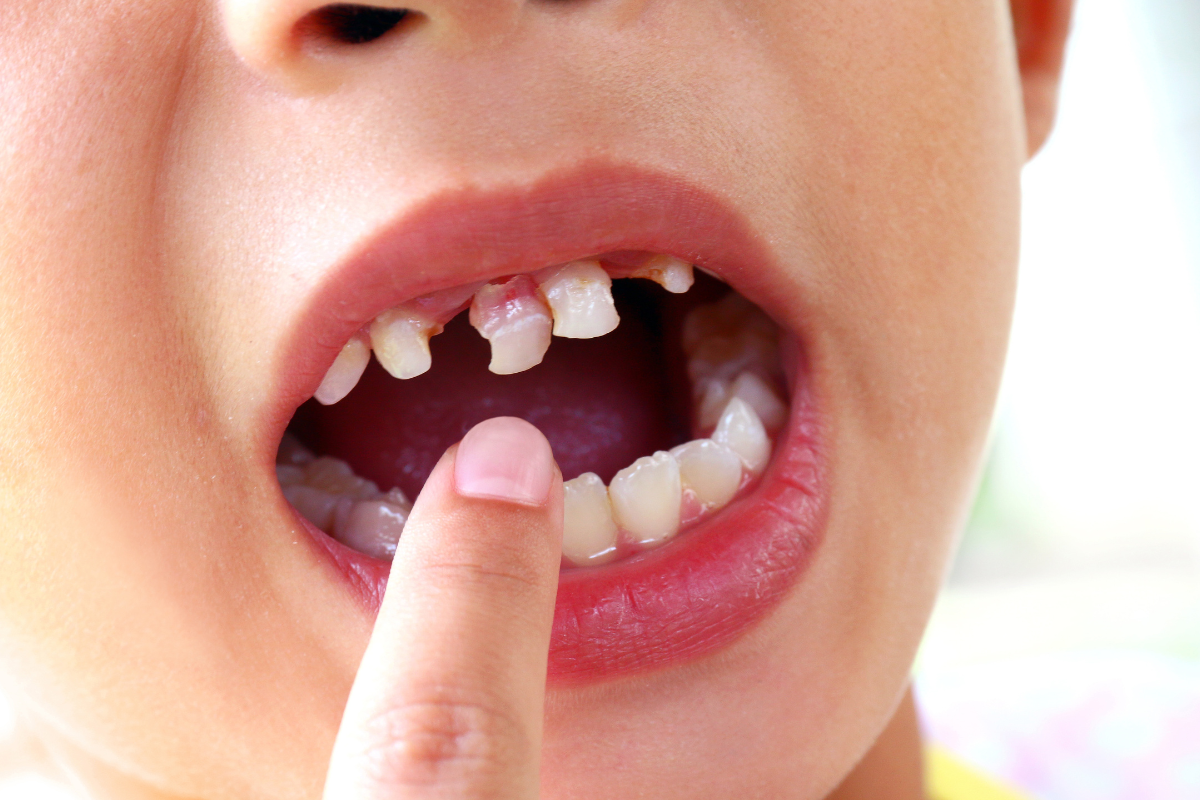
Dental problems can start earlier than many parents expect. In fact, tooth decay is one of the most common childhood health issues, and it can sometimes turn into a pediatric dental emergency near Trinity if left untreated. As a parent, understanding why cavities happen and how to prevent them can protect your child’s smile and overall well-being.
In this guide, we’ll break down the top 10 causes of tooth decay in children, explain how each one affects oral health, and share practical prevention tips you can use every day. Whether your child is a toddler or school-aged, these insights can help you stay one step ahead.
Why Tooth Decay in Children Is a Serious Concern
Baby teeth may be temporary, but they play a permanent role in your child’s development. Healthy primary teeth help children chew properly, speak clearly, and guide adult teeth into place. When decay develops, it can cause pain, infections, and even lead to urgent dental visits.
That’s why prevention and early care from a trusted pediatric dentist near Trinity makes such a difference.
Top 10 Causes of Tooth Decay in Children
1. Excessive Sugar Consumption
Sugary snacks and drinks feed harmful bacteria in the mouth. These bacteria produce acids that attack tooth enamel.
Prevention tips:
- Limit candy, cookies, and sugary cereals
- Offer water instead of juice or soda
- Choose healthier snacks like fruit, cheese, or yogurt
2. Poor Brushing Habits
Children often rush brushing or miss hard-to-reach areas, allowing plaque to build up.
Prevention tips:
- Supervise brushing until age 7–8
- Brush twice daily with fluoride toothpaste
- Use a soft-bristled, child-sized toothbrush
3. Skipping Flossing
Food easily gets trapped between teeth, especially molars. Without flossing, cavities can form between teeth.
Prevention tips:
- Start flossing once teeth touch
- Make flossing part of your nightly routine
- Use floss picks for younger kids
4. Frequent Snacking Throughout the Day
Constant snacking gives bacteria more chances to produce acid.
Prevention tips:
- Set regular meal and snack times
- Avoid grazing throughout the day
- Rinse with water after snacks
5. Bedtime Bottles or Sippy Cups
Milk, juice, or formula left on teeth overnight can cause severe decay.
Prevention tips:
- Avoid sugary drinks at bedtime
- Offer only water after brushing
- Transition away from bottles early
6. Lack of Fluoride
Fluoride strengthens enamel and protects teeth from decay.
Prevention tips:
- Use fluoride toothpaste
- Ask about fluoride treatments
- Drink fluoridated tap water when available
7. Poor Diet Choices
Sticky foods like gummies and dried fruit cling to teeth longer.
Prevention tips:
- Reduce sticky snacks
- Encourage crunchy fruits and vegetables
- Rinse your mouth after eating
8. Genetics and Weak Enamel
Some children naturally have weaker enamel, which increases cavity risk.
Prevention tips:
- Schedule regular dental checkups
- Use dental sealants when recommended
- Maintain consistent oral hygiene
9. Irregular Dental Visits
Skipping dental visits allows small problems to grow unnoticed.
Just after this point, it’s important to highlight that working with a trusted pediatric dentist, especially one familiar with children’s needs, helps detect early signs of decay before they worsen.
Prevention tips:
- Schedule dental visits every six months
- Address small cavities early
- Ask about preventive treatments
10. Delaying Treatment of Small Cavities
Minor cavities can quickly turn into infections or pain if ignored, sometimes leading to a pediatric dental emergency near Trinity.
Prevention tips:
- Act quickly when issues appear
- Follow treatment recommendations
- Maintain follow-up care
When Tooth Decay Becomes a Dental Emergency
While prevention is key, some situations require immediate care. Severe tooth pain, swelling, broken teeth, or infections require urgent attention. A reliable pediatric dentist near Trinity can handle these issues quickly and safely, helping your child feel comfortable again.
How Parents in Trinity Can Protect Their Child’s Smile
Parents play the biggest role in preventing cavities. Small daily habits can make a lifelong difference.
Simple steps include:
- Brushing and flossing together
- Encouraging healthy eating
- Scheduling routine dental visits
- Teaching kids why oral health matters
At No Sugar Bugs Club Children’s Dentistry, we focus on gentle, preventive, and child-friendly care designed to keep little smiles healthy.
Conclusion: Prevention Today Means Fewer Problems Tomorrow
Tooth decay in children doesn’t happen overnight. It develops due to habits, diet, and lack of routine care. By understanding the top causes and taking early action, you can help your child avoid pain, infections, and unexpected dental emergencies.
If you’re concerned about your child’s oral health or want expert guidance, visit our dental office at No Sugar Bugs Club Children’s Dentistry. Our caring team is here to support your child’s smile every step of the way. Schedule an appointment today and give your child the healthy start they deserve.
Frequently Asked Questions (FAQs)
1. What is the most common cause of tooth decay in children?
Excessive sugar intake combined with poor brushing habits is the most common cause. Bacteria thrive on sugar and damage tooth enamel over time.
2. Can baby teeth really get cavities?
Yes, baby teeth can develop cavities just like adult teeth. Untreated decay in baby teeth can affect permanent teeth and overall oral health.
3. How often should my child visit a pediatric dentist?
Children should visit a dentist every six months. Regular checkups help catch issues early and prevent emergencies.
4. When should my child start brushing and flossing?
Brushing should begin as soon as the first tooth appears. Flossing should start when teeth begin touching.
5. Are dental sealants safe for children?
Yes, dental sealants are safe and effective. They protect molars from decay by sealing deep grooves where food gets trapped.
6. When should I seek emergency dental care for my child?
Seek immediate care if your child has severe pain, swelling, trauma, or signs of infection. Prompt treatment prevents complications.